Saturday, May 11, 2024

More Than a Million Adults Have Legal Guardians. Seven States Won’t Let Them Vote.

by Julia Métraux


Last month, the Department of Justice released new guidance reaffirming disabled people’s right to vote, and the ways that their voting rights are protected by the Americans with Disabilities Act. “For too long,” the release from the department’s Civil Rights Division says, “many people with disabilities have been excluded from this core aspect of citizenship” and “prevented from voting because of prejudicial assumptions about their capabilities.”

That includes many people living under guardianships or conservatorships, in which a person’s civil rights are placed under the control of a guardian, often a family member. There are more than a million people living under guardianship in the United States, which can extend to people living with intellectual disabilities as well as those with mental health disabilities. 

States have different rules on whether people under guardianship can vote, but most fall into the following categories: No restrictions, as in states like Illinois; the power for judges to suspend voting rights, as in California and Florida; no voting rights by default (people under guardianship need a judge’s approval to vote), as in Arizona and Delaware; and, in seven states—Louisiana, Missouri, South Carolina, Tennessee, Utah, Virginia, and West Virginia—no voting rights at all.

The new DOJ guidance, however, gives disabled people under guardianships some recourse to try and get their voting rights back—through ADA lawsuits. "There needs to be litigation now where the government, or other organizations, take the states to court and say that the [guardianship] laws violate the ADA," Zoe Gross, advocacy director of the Autistic Self-Advocacy Network, told Mother Jones. She also says it's important that disabled people don't assume their right to vote has been taken away; the network has a plain-language guide that explains each state's policies. 

A lack of transparency in guardianship and conservatorship—which Sens. Elizabeth Warren and Bob Casey asked DOJ and Department of Health and Human Services for data on in 2021, in part due to attention around Britney Spears' conservatorship battle with her father—means it's hard to tell just how many people nationwide have had their voting rights taken away on those grounds, or even how many people are currently under guardianship in each state. Gross believes that disenfranchising disabled people in guardianship "is one of many ways that our legal system discriminates against people with disabilities."

Disenfranchising people with disabilities also impacts their right to support politicians and policies that could improve their quality of life, at all levels of government. "We should be able to vote for the people who make the policies that affect our lives," Gross said. "It can mean the difference between a state expanding Medicaid or rejecting Medicaid expansion, which is something that has huge implications for people with disabilities."

Full Article & Source:
More Than a Million Adults Have Legal Guardians. Seven States Won’t Let Them Vote.

Caregiving Expert Offers Elder Care Advice and Keynotes

Pamela D. Wilson - Caregiver Subject Matter Expert

Denver, CO
Tuesday, May 7, 2024


What If Aging Parents Refuse to Plan?
 
Video Clip: Click to Watch

What if Aging Parents Refuse to Plan?

          Denver, CO – May 7, 2024. Caregivers concerned about aging parents who refuse to plan for future care needs find that Wilson's YouTube video on this topic offers practical advice for initiating conversations. The video shares stories about why individuals hesitate to plan and offers conversation starters to open the door to deeper discussions about what aging parents do or do not want for their care.  

Also mentioned are the difficulties of planning for the care of loved ones with dementia or Alzheimer's who may be cognitively beyond the ability to navigate or have conversations about their wishes. In this case, Wilson's online program How to Get Guardianship of an Elderly Parent offers information to determine if guardianship might be the next step in care planning.

Early Conversations about Care Reduce Caregiver Worry

Initiating conversations about planning for advancing age and health concerns is not easy. Parents or their adult children may be uncomfortable initiating these discussions, which—in a perfect world—should happen before health issues occur. 

Good health today is a blessing and an illusion that can disappear at a moment's notice. Early discussions about needed care and financial and legal matters can reduce responding in crisis mode when the unexpected happens.

Wilson Offers Virtual 1:1 Consultations and Keynotes

Caregiving expert and speaker Pamela D. Wilson offers virtual 1:1 elder care consultations, keynotes, and educational sessions worldwide for organizations and groups on aging, caregiving, and elder care.

According to Wilson, "My unique value proposition is my experience as a client care manager and professional fiduciary across various channels, including clinical, post-acute and home health care, social and community care, insurance, financial and wealth management, and estate planning.

Specific to fiduciary work, I served as a court-appointed guardian and conservator, medical power of attorney, financial power of attorney, trustee, and personal representative of the estate for clients for 11 years. I am an expert witness on care management and guardianship.

This one-of-a-kind experience offers rare and relatable insight for navigating healthcare systems, family, caregiver, and patient experiences."

Wilson's practical approach to elder care consulting and speaking results from nearly 25 years of professional advocacy for caregivers and patients. Empathy and compassion for difficult-to-imagine situations are necessary in caregiving relationships.

Caregivers and individuals who need care experience high levels of ongoing emotional stress and trauma. Education and planning help families and individuals manage the uncertainty of planning for the future.

Wilson's Programs Provide Practical Support for Family Caregivers, Care Receivers and Patients

Wilson is a caregiving expert with over twenty years of lived experience supporting caregivers and care receivers. Through information on her website, online courses, YouTube Channel, 1:1 consultations, and speaking events, she provides practical, detailed step-by-step education and instructions to guide professional and family caregivers and adults facing change in health and uncertainty about the future. 

Source:
Caregiving Expert Offers Elder Care Advice and Keynotes

Disability advocates push for statewide approach to combat elder fraud

FILE - The gold dome of the Georgia Capitol gleams in the sunlight in Atlanta, Aug. 28, 2022. Under a $392 million plan agreed to on Monday, Feb. 26, 2024, the state Capitol would get a renovation while the state would build a new legislative office building for lawmakers on the north side of the complex, to the right of the Capitol. (AP Photo/Steve Helber, File)(Steve Helber | AP)

By Abby Kousouris

ATLANTA, Ga. (Atlanta News First) - One in five Georgians over the age of 65 have a disability, making them a target for scams, exploitation, and sometimes physical abuse.

According to the U.S. Department of Justice, at least 10% of adults age 60 and older will experience some form of elder abuse this year.

The Alzheimer’s Association of Georgia, The Georgia Council on Aging, and the Georgia Advocacy Office are working together on a bill that would tackle the growing number of elderly abuse crimes reported in the state.

Supporters of HB 1123 said it would be a game-changer. The bill would create a team called the “Elder Justice Coalition.” The group would meet a few times a year to discuss a statewide approach to cut down on elder abuse. Regional coordinators would be named across the state.

“With elder abuse, they are typically abusing or taking advantage of people who are older and disabled, a lot of them at one time. Investigators and District Attorneys — they’re all trying to figure out how they can fight these things, but at the same time, just because maybe they’re fighting one case in South Georgia doesn’t mean that maybe that person running the unlicensed personal care home. It doesn’t mean they don’t have another one, three counties over, or maybe they’ve got five or six of them,” said Nancy Pitra with the Alzheimer’s Association of Georgia.

Pitra said she feels strongly about the bill because it pulls resources from across the state together. If signed into law, the coalition would first establish a state adult abuse neglect and exploitation team and work with local agencies to collect data as well as report abuse. They want to work with law enforcement to provide training on what signs to look out for.

“Everybody’s aging. You want to do it well, and we’re all at different stages in that process. So for us, it’s even more critical to start now,” said Debra Stokes with the Georgia Council on Aging.

Stokes said the state needs to take action now to protect the 15% of Georgians who are over 60 years old.

“The Georgia Advocacy Office is thrilled that different organizations are coming together, from those who work with the elderly to those who work with intellectual and developmental disabilities together on this coalition, tackling the incredible problem of abuse and neglect of people in Georgia,” said Rena Harris, Georgia Advocacy Office.

The 40-day bill signing period ends on Wednesday. Gov. Kemp has not vetoed any legislation yet. They’re hoping he will sign the bill.

Full Article & Source:
Disability advocates push for statewide approach to combat elder fraud

Friday, May 10, 2024

Casey Introduces Bill to Promote Alternatives to Guardianship


May 08, 2024

Unnecessary guardianship arrangements, which strip older adults and people with disabilities of their independence, have often led to abuse

Less restrictive options to guardianship can reduce the potential for abuse, but public awareness of these alternatives is limited

Casey’s bill provides resources to ensure greater awareness of alternatives to guardianship, such as supported decision-making and advance directives

Casey has long record of promoting alternatives to guardianship and protecting older adults and people with disabilities from abuse

Washington, D.C. - Today, U.S. Senator Bob Casey (D-PA), Chairman of the U.S. Senate Special Committee on Aging, introduced the Alternatives to Guardianship Education Act, which would protect older adults and people with disabilities from abuse by helping educators, health care providers, court workers, and family member learn about alternatives to guardianship. Guardianships are legal relationships created when a court determines that a person is incapable of making important decisions on their own. While unnecessary guardianship arrangements—which can strip older adults and people with disabilities of their independence—have often led to abuse, public awareness of potential alternatives is limited. Chairman Casey’s new bill would invest in educating people who frequently interact with older adults and people with disabilities about alternatives to guardianship, such as supported decision-making and advance directives, which may reduce the potential for abuse.

“While celebrity cases may have shone the national spotlight onto guardianships and the potential for abuse that they pose, we have a lot more work to do to increase public awareness of the alternative options that exist,” said Chairman Casey (D-PA). “My legislation would provide resources for a public education campaign that ensures people know about alternatives to guardianship that protect Americans’ civil rights while getting them the support they need.”

Chairman Casey’s new bill is just the latest step he has taken to promote alternatives to guardianship and protect older adults from abuse. In July 2021, Chairman Casey and U.S. Senator Elizabeth Warren (D-MA) sent a letter to Health and Human Services Secretary Xavier Becerra requesting information on what data efforts are in place to determine the status of guardianships across the country and what efforts the Department was making to promote alternatives to guardianships. In October 2021, Chairman Casey introduced the Guardianship Accountability Act, which would provide accountability and oversight into guardianships, promote best practices, and provide funding and training to spot abuse. He also published an Op-Ed in BuzzFeed News about how Britney Spears’ conservatorship case helped shed light on broader issues surrounding guardianships and conservatorships for seniors and people with disabilities.

In 2023, Casey held an Aging Committee hearing entitled, “Guardianship and Alternatives: Protection and Empowerment,” which examined a litany of the issues facing older adults and people with disabilities in guardianships. At the hearing, he introduced the Guardianship Bill of Rights Act, which would promote alternative arrangements to guardianships and create standards that would protect the civil rights of people living under guardianships.

Read more about Casey’s new bill, the Alternatives to Guardianship Education Act, here.

Source:
Casey Introduces Bill to Promote Alternatives to Guardianship

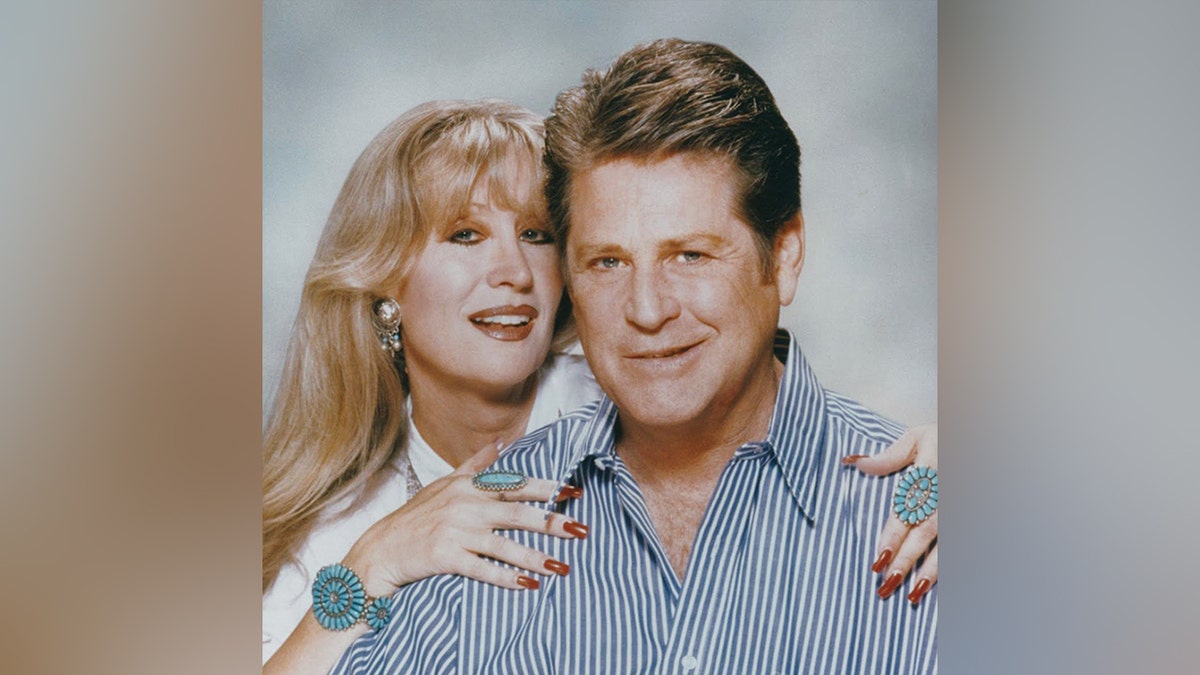
Beach Boys' Brian Wilson placed in conservatorship following dementia diagnosis

The family filed for Wilson's conservatorship following the death of his wife, Melinda Wilson

A Los Angeles judge determined Beach Boys' Brian Wilson is in need of a conservatorship due to "major neurocognitive disorder," according to The Associated Press.

Wilson's family filed to place the musician under a conservatorship in February after the Beach Boys co-founder was diagnosed with dementia, Fox News Digital confirmed.

The diagnosis, coupled with the recent passing of Brian's wife, Melinda Wilson, led his family and doctors to make the decision. 

Beach Boys founder Brian Wilson was previously placed under a conservatorship in the 1990s. (Harry Langdon)


"I find from clear and convincing evidence that a conservatorship of the person is necessary," Los Angeles Superior Court Judge Gus T. May said at the brief hearing. The judge said that evidence shows that Wilson consents to the arrangement and lacks the capacity to make health care decisions.

His longtime representatives, Jean Sievers and manager LeeAnn Hard, were appointed as his conservators.

In February, when his family initially sought the conservatorship, they released a statement to Fox News Digital, saying, "Following the passing of Brian’s beloved wife Melinda, after careful consideration and consultation among Brian, his seven children, Gloria Ramos and Brian’s doctors (and consistent with family processes put in place by Brian and Melinda), we are confirming that longtime Wilson family representatives LeeAnn Hard and Jean Sievers will serve as Brian’s co-conservators of the person."

Melinda and Brian Wilson

Brian Wilson announced that his wife, Melinda Ledbetter Wilson, passed away in January. (@BrianWilsonLive on X)

Before her death, Melinda provided Brian with his "daily living needs," involving "physical health, food, clothing, or shelter," according to a court document obtained by Fox News Digital. In his advance health care directive, Melinda was named as his agent for healthcare — but there was not a successor put in place before her death. Wilson announced the death of his wife on Jan. 30.

"This decision was made to ensure that there will be no extreme changes to the household and Brian and the children living at home will be taken care of and remain in the home where they are cared for by Gloria Ramos and the wonderful team at the house who have been in place for many years helping take care of the family," the statement continued. "Brian will be able to enjoy all of his family and friends and continue to work on current projects as well as participate in any activities he chooses."

Wilson was also under a conservatorship in the 1990s.

The acclaimed musician was involved with psychologist Eugene Landy. Landy became a live-in psychologist and business partner. Family members said Landy over-medicated Wilson based on a paranoid schizophrenic diagnosis.

A portrait of the Beach Boys

The Beach Boys are known for such songs as "Good Vibrations," "God Only Knows," "California Girls," "I Get Around" and "Fun, Fun, Fun." (Getty Images)

This, along with other worrisome issues, prompted a conservatorship request by the family to separate Wilson from the troubling doctor.

The Beach Boys began with Brian and his two brothers, Carl and Dennis. Eventually, they were joined by their cousin, Mike Love, and a friend from school, Al Jardine.

The band is one of the most commercially successful groups of all time, selling over 100 million records worldwide. They were inducted into the Rock and Roll Hall of Fame in 1988.

Full Article & Source:
Beach Boys' Brian Wilson placed in conservatorship following dementia diagnosis

See Also:
Beach Boys’ Brian Wilson Unable to Remember Children’s Names, ‘Mostly Difficult to Understand,’ Lawyer Reveals Ahead of Conservatorship Hearing

Preventing abuse in guardianship focus of proposed bill, final rule

by Kimberly Bonvissuto


Proposed legislation aims to reduce the potential for abuse of older adults and people with disabilities by creating public awareness about alternatives to guardianship, whereas a new federal final rule establishes stronger protections for those subject to guardianships, according to the government.

US Sen. Bob Casey (D-PA), chairman of the Senate Special Committee on Aging, on Wednesday announced that he had introduced the Alternatives to Guardianship Education Act, which would invest in educating people who frequently interact with older adults and people with disabilities about guardianship alternatives, such as supported decision-making and advance directives.

The bill targets education for healthcare workers, educators, family members and court workers. 

Specifically, the bill would fund education programs that include discussions on the background of guardianship and the potential consequences of unnecessary guardianship, as well as information on various alternatives. The bill would fund competitive grants to create curriculum and materials for targeted populations, as well as strategies to reach underserved populations.  

In addition, the act would require states to collect guardianship data, and it would establish an advisory council to advise on grants and programs to accomplish the act’s goals.

Last year, an Aging Committee hearing highlighted issues involved in guardianships, which led to Casey introducing the Guardianship Bill of Rights Act to promote alternative arrangements to guardianships and create standards to protect the civil rights of people living under them. Prior to that, in 2021, Casey introduced the Guardianship Accountability Act with the goal of providing accountability and oversight into guardianships, promoting best practices and providing funding and training to spot abuse. Neither bill was adopted.

Final rule creates protections within guardianships

The introduction of Casey’s latest guardianship bill follows the announcement of a final rule on Tuesday from the US Department of Health and Human Services, through its Administration for Community Living, establishing the first federal regulations for adult protective services, or APS. Along with aiming to drive consistency in services across states, the rule also establishes stronger protections for those subject to guardianship. 

Specifically, according to an ACL fact sheet, the rule promotes person-directed practice and the least-restrictive alternatives to respect the fundamental right of adults to make their own life choices. The rule establishes stronger protections for APS clients subject to or at risk of guardianship by prohibiting APS from serving as a guardian or petitioning for guardianship unless doing so is “unavoidable.” The rule also requires additional documentation and mitigation measures in such cases. 

Last month, Justice in Aging released an issue brief providing examples of less restrictive guardianship alternatives, including trusts, powers of attorney, banking solutions and representative payees, and advance directives. The organization also has advocated for addressing bias in guardianship and data reform measures, and spotlighted state programs addressing issues in guardianship.

The Elder Justice Coalition released a statement supporting the rule, which it said promotes coordination and collaboration with state Medicaid agencies, long-term care ombudsmen, tribal APS, law enforcement and other partners. 

APS programs support older adults and adults with disabilities by investigating reports of maltreatment, conducting case planning and connecting people to a variety of medical, social service, economic, legal, housing, law enforcement and other support services. 

The new regulations go into effect June 7, although regulated entities have until May 8, 2028, to fully comply.

Full Article & Source:
Preventing abuse in guardianship focus of proposed bill, final rule

Thursday, May 9, 2024

Senator Bob Casey Introduces Legislation to Educate on Alternatives to Guardianship

U.S. Senator Bob Casey (D-PA), Chairman of the U.S. Senate Special Committee on Aging, recently introduced the Alternatives to Guardianship Education Act. The proposed legislation aims to safeguard older adults and individuals with disabilities by promoting awareness of alternatives to guardianship among educators, healthcare providers, court workers, and family members. Guardianships, which are established when a court determines a person is unable to make significant decisions independently, have sometimes led to the loss of autonomy and abuse. The bill emphasizes education on alternatives like supported decision-making and advance directives to potentially reduce abuse.

Senator Casey highlighted that while high-profile cases have increased visibility of the issues within guardianships, there is a significant need for public education on the alternatives that uphold civil rights and provide necessary support. The bill proposes a public education campaign to further these goals.

This initiative is part of Senator Casey’s broader efforts to address issues in guardianships. Previous actions include collaborating with Senator Elizabeth Warren (D-MA) in July 2021 to inquire about guardianship data and promoting alternatives with the Health and Human Services Secretary. In October 2021, Casey introduced the Guardianship Accountability Act to enhance oversight and training to detect abuse in guardianships. He also raised public awareness through an Op-Ed discussing the implications of Britney Spears’ conservatorship case.

In 2023, Casey conducted a hearing titled “Guardianship and Alternatives: Protection and Empowerment,” where he introduced the Guardianship Bill of Rights Act, aiming to establish alternative arrangements and standards to protect the civil rights of those under guardianships.

Full Article & Source:
Senator Bob Casey Introduces Legislation to Educate on Alternatives to Guardianship

AG Nessel Receives Alzheimer’s Association Michigan Chapter Excellence in Leadership Award

LANSING – Yesterday, Michigan Attorney General Dana Nessel received the Excellence in Leadership Award from the Alzheimer’s Association Michigan Chapter for her work to combat elder abuse through Michigan’s Elder Abuse Task Force.

The Task Force launched in 2019 and consists of more than 55 different organizations and more than 100 individuals in the public, private, and nonprofit sectors.  

“The Alzheimer’s Association Michigan Chapter has been a tireless advocate for our seniors, leading the way in making our state a place where residents can grow older with the assurance that their rights and freedoms will be preserved,” Nessel said. “I am honored to receive this award and am proud to have the Alzheimer’s Association as part of the Elder Abuse Task Force.”

"It was an obvious choice for the Alzheimer's Association Michigan Chapter to recognize Attorney General Dana Nessel with this year's Excellence in Leadership award," said Jennifer Lepard, President & CEO of the Michigan Chapter. "Ensuring the state’s most at-risk populations are safe and secure has been one of her core initiatives, most notably through the Elder Abuse Task Force, on which the Association also works. Through this initiative and additional extensive work in her time in office, Attorney General Nessel has proven she is a true advocate for the state’s most vulnerable, including those living with Alzheimer's and dementia."

Achievements of the Elder Abuse Task Force include the adoption of a Vulnerable Adult Incident Report form (PDF) for investigation by law enforcement across the state, including the implementation of related trainings. Additionally, the Financial Exploitation Prevention Act was signed into law in 2021 to ensure mandated reporting for financial institutions on suspected fraud or exploitation. Both were part of the Task Force’s first set of initiatives (PDF).   

The Task Force is also working with legislators to reform Michigan’s guardianship and conservatorship practices.  

It is estimated that more than 100,000 older adults in Michigan are victims of elder abuse and that less than half of all instances are reported to authorities. Michigan residents seeking elder abuse resources are encouraged to call 800-24-ABUSE (22873), or 855-444-3911 to report suspected elder abuse.

###

Source:
AG Nessel Receives Alzheimer’s Association Michigan Chapter Excellence in Leadership Award

U.S. Attorney's Office Announces the Formation of Multi-Agency Health Care Fraud Task Force


Together with state and federal partners, U.S. Attorney Adair F. Boroughs announced the formation of the Palmetto Health Care Fraud Task Force (PHCF Task Force), which has been created as a dedicated task force to combat health care fraud and recover taxpayer money in the District of South Carolina through criminal and civil actions.  Other agencies that have joined the PHCF Task Force include investigators from the Department of Labor and the South Carolina Attorney General’s Medicaid Fraud Control Unit.  

In February 2023, the FBI, U.S. Attorney’s Office for the District of South Carolina, and other federal, state, and local agency partners began meeting as part of a Health Care Fraud Working Group with the goal of combatting health care fraud in the District of South Carolina.  The PHCF Task Force was created after the FBI and the U.S. Attorney’s Office saw great success from the Working Group meetings. The creation of the PHCF Task Force demonstrates an increased effort to bring to justice those who defraud the health care system, to deter future health care fraud and abuse, and to promote trust in the healthcare system. Additional resources available to the PHCF Task Force will include the FBI's Data Analytics Response Team (DART), numerous forensic accountants, and Intelligence Analysts from various agencies, which all will promote efficiency in prosecuting cases.

Health care fraud is an enormous burden on South Carolina taxpayers. In 2023, taxpayer funded healthcare programs spent approximately $23 billion in South Carolina alone. Although it is difficult to approximate the amount of money lost to waste, fraud, and abuse each year, the Government Accountability Office estimates it could be as much as 10% of money spent. The PHCF Task Force will better equip the United States to detect wrongdoers and recoup money lost to fraud in South Carolina—which costs taxpayers billions each year. 

The PHCF Task Force and agencies involved in the Health Care Fraud Working Group will meet regularly to aggressively investigate allegations of false billings, COVID-19 fraud, violations of the Anti-Kickback Statute, and other schemes that victimize patients, health care providers, private insurers, and government insurers, such as Medicare, TRICARE, and Medicaid, in the District of South Carolina.

Full Article & Source:
U.S. Attorney's Office Announces the Formation of Multi-Agency Health Care Fraud Task Force