Showing posts with label Esther's Law. Show all posts

Friday, May 13, 2022

Lawyer: 1 in 4 nursing home residents suffer or witness abuse. Camera law will help.

by Michael Brevda


In March, a new law went into effect in Ohio allowing families to install cameras in nursing home rooms to monitor their loved one’s well-being.

This legal change allowing cameras in nursing homes is an added layer of protection for Ohio’s most vulnerable patient population.

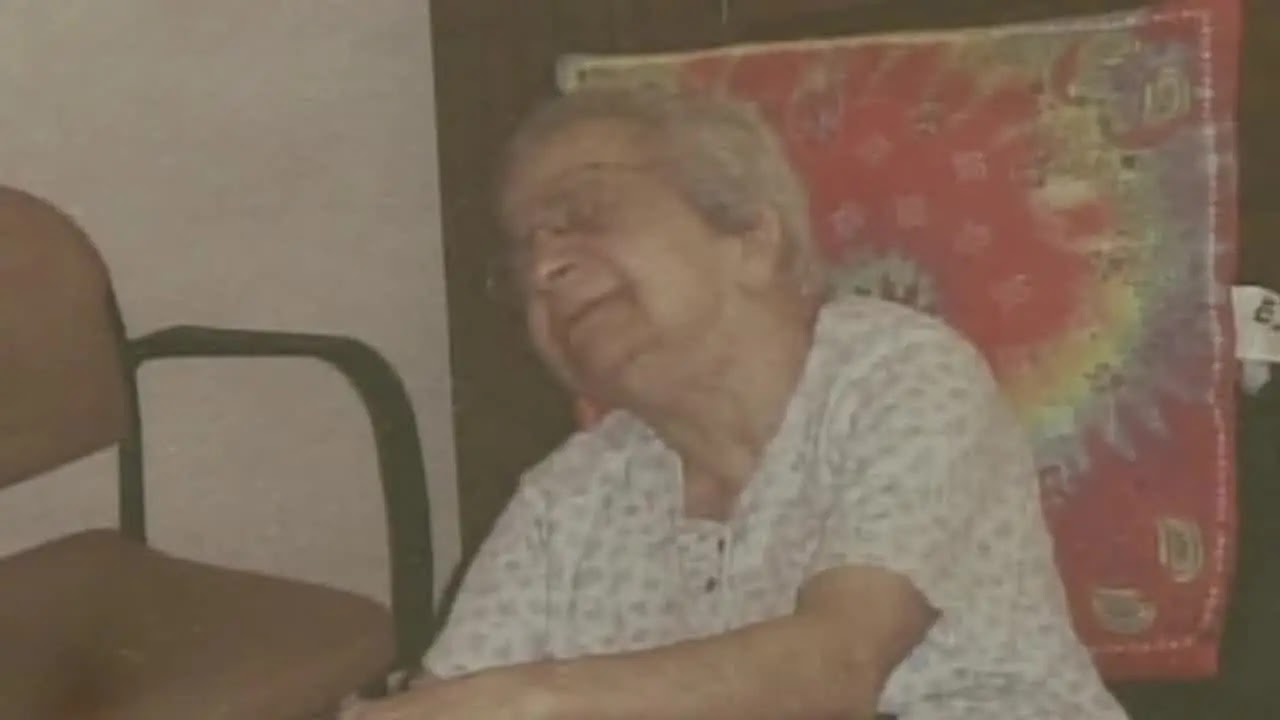
Lawmakers passed the legislation after a decade of advocacy by one Ohio man, Steve Piskor, on behalf of his mother, Esther. Legislators named the law in honor of her: “Esther’s Law.”

The law’s namesake, Esther Piskor, resided in a Cleveland-area nursing home. Her son, Steve, suspected that something was wrong with his mother, so he installed a hidden camera in her room. Unfortunately, the camera revealed numerous incidents of elder abuse, including aides pushing and yelling at Esther, shoving her face in a pillow, spraying liquids in her face, roughly repositioning her, and neglecting her basic needs for hours at a time.

Esther suffered from dementia, so she was unable to verbalize what was happening to her in the nursing home. Initially, the nursing home denied any abuse violations and the chart revealed perfect care provided to Mrs. Piskor.

However, the hidden camera allowed Steve to witness the abuse firsthand.

In the wake of the incident, the violent aide was sentenced to 10 years in prison and the nursing home was sued for negligence.

Esther’s saga is not unique. As nursing home abuse attorneys, we see this frequently. It is estimated that 1 in 4 nursing home residents suffer from, or have witnessed, abuse. The statistics are likely higher than the reported numbers, too.

The National Council on Aging estimates that only 1 in 24 cases of elder abuse are reported to the proper authorities. Elder abuse is said to affect one in 10 Americans over the age of 60, but the real numbers are likely higher still.

Tragically, sometimes it takes actual footage of the abuse to expose what is happening to a non-verbal patient.

Some nursing home corporations do not appropriately screen employees. Instead, they look for cheap labor. This means that violent predators can make their way onto the company’s payroll, gaining access to vulnerable victims that reside in the facility.

The issue of whether a family has a legal right to install a camera in their parent's nursing home room has been a sticky one.

Many states do not allow cameras in nursing home rooms because it might violate the privacy rights of nursing home staff and other residents.


Nursing homes argue that allowing cameras inside rooms raises privacy concerns due to HIPAA. However, nationally, there has been a growing trend to allow cameras in facility rooms.

Luckily, the Ohio legislature fell on the right side of this issue by passing Esther’s Law. The Ohio House and Senate unanimously passed the bill, after which Gov. Mike DeWine signed it into law.

 Families can now purchase ordinary nanny cams and place them in their loved one’s nursing home room. Families should discuss their intentions with nursing home management, so the proper notice is given to facility staff.

Even if you do not intend on watching it regularly, an unmonitored camera can have a deterrent effect on staff. When staff suspect they are being watched, inevitably, they will provide better care for the resident.

Every Ohioan with a loved one residing in a long-term care facility should take advantage of this new law allowing cameras inside resident rooms.

Through increased supervision and accountability, we can end the systemic cycle of abuse and neglect inside our nursing homes.

Full Article & Source:

Thursday, March 24, 2022

All Ohio Nursing Homes Enforce State Laws Allowing Cameras


Cleveland, Ohio (WJW)-Starting Today New state lawRelatives of nursing home patients in Ohio are allowed to install surveillance cameras in their loved ones’ rooms.

The new law is the culmination of a decade of crusades by a Cleveland man who discovered that his mother was being abused in a nursing home.

The 78-year-old Esther Piskor was a loving patriarch of a large family, but when she began to suffer from the effects of Alzheimer’s disease, they had no choice but to take care of her in a nursing home. 

In 2012, she began to show signs of abuse, and her son decided to put a hidden camera in Esther’s room.

What the camera caught was shocking.

More than eight nursing assistants were captured in videos that regularly abuse Esther.

Her son Steve Piscol told FOX 8, “This video was horrifying for us, for me, and for my family. To this day, we still can’t get over it. It was. ” 

All eight aides who abused Esther were fired and two were sent to prison.

Steve has decided that patients in other nursing homes should not receive such treatment. He launched a campaign to create a new state law that gives all Ohio families the right to put a camera in their loved one’s room.

“I don’t want people to put in a hidden camera and I need to see their loved ones being abused, you know, I want them to put in a camera and stop the abuse.” He said.

But over the next decade, Columbus lawmakers resisted Piscall’s request for cameras in nursing homes.

“You ask them all. They will tell you that I was annoying, you know, because I sent them hundreds of emails every month about abuse. Let’s get this law done and get it done, “he said.

He wasn’t surprised that the law gained momentum during a pandemic where many families left their loved ones in nursing homes and used different cameras to keep in touch.

Then, in 2021, a bill known as “Ester’s Law” was approved by the Ohio House of Representatives and the Senate in November. Governor Dewine During December.

The new law came into effect on Wednesday.

Steve reassuredly said, “When someone enters the room, they will know they are in the movie. They are on tape and are being watched.” ..

Esther died in 2018 at the age of 85. His son says his idea lies in the proud woman who influenced the Crusades for ten years.

“I think she’s happy about it. She’ll be even more happy that she has a camera to help stop what she’s experienced,” he said.

(Except for the headline, this story has not been edited by FINAX NEWS staff and is published from a syndicated feed.)

Full Article & Source:

Thursday, January 27, 2022

Ohio Families Urged to Act on Nursing-Home Camera Law

Esther Piskor's family says she suffered abuse and neglect in six different nursing homes over a 15-year period. Her struggle resulted in passage of a new law in Ohio. (Elderly Nursing Home Abuse Advocates)

 
A Cleveland man's crusade to help Ohio families better protect their loved ones in nursing-home care from abuse and neglect will soon come to fruition.

Esther's Law goes into effect March 23. It allows patients in Ohio long-term care facilities to install cameras or other electronic monitoring devices in their rooms.

Steve Piskor, founder of Elderly Nursing Home Abuse Advocates, explained the measure is named after his mother, whom he said suffered abuse at the hands of eight nursing-home workers in 2011.

"I would have never known that the abuse was going on if I didn't put a camera in," Piskor recounted. "One aide went to prison for 10 and a half years; one aide went to jail for six months; three aides were fired, and three aides were disciplined. And the nursing home was fined $357,000."

Since then, Piskor has been advocating to allow the use of cameras in nursing homes. Under Esther's Law, the resident or their guardian is responsible for the cost of the device, as well as installation, maintenance and removal. There were an estimated 15,000 reports of abuse, neglect or exploitation of adults over age 60 in Ohio between 2017 and 2018.

About one in ten caregivers handles those care-giving responsibilities long-distance.

Veronica McCreary-Hall, advocacy volunteer for AARP Ohio, said she drove more than 30 minutes, five to seven days a week, to visit her father in a nursing facility. She believes electronic monitoring would have brought her peace of mind.

"Every time I left, he would always look so sad and say, 'I hate to see you go,'" McCreary-Hall recalled. "It would have been absolutely wonderful for both of us to know that we could see each other, and that I knew exactly what was going on with him."

McCreary-Hall noted COVID-19 underscored the importance of the measure, when nursing-home facilities had to restrict visitations for months on end.

"People who are in facilities, a lot of them cannot advocate for themselves," McCreary-Hall pointed out. "Esther's Law will make so many people comfortable and feel safe, not only on the end of the facility, but also on the end of the loved one."

Piskor encouraged families to start the process of getting a camera installed now.

"Make sure you get a good camera," Piskor urged. "There's a good variety of cameras out there today. And nursing homes are required to let you use their public Wi-Fi, if they have it. And internet providers, they do offer free and low-cost Wi-Fi for people that are low-income and people that are on Medicaid."

Esther's law passed with unanimous support. Ten other states have similar laws, and Piskor said he hopes to see more. A ceremonial signing of the bill, scheduled for this week, was delayed due to the rise in COVID-19 cases. 

Full Article & Source:

Monday, December 6, 2021

Esther’s Law Headed to Ohio Gov. DeWine’s Desk After Unanimous Passage

by Peter D'Abrosca


In a rare showing of complete bipartisanship, a bill that would allow families to monitor activities inside loved ones’ nursing home rooms with cameras and other electronic equipment, passed through the Ohio Legislature unanimously.

Senate Bill 58, known as Esther’s Law, has been in the works since 2011, when an activist named Steven Piskor used a hidden camera to catch employees at a nursing home facility run by MetroHealth Medical Center abusing his mother, Esther.

Since then, Piskor has been fighting for the passage of a law that would legally allow all families in Ohio, and elsewhere, to monitor the goings on in the nursing homes of their loved ones.

This week, his work was realized when Esther’s Law unanimously passed the Ohio House of Representatives. The bill passed the Ohio Senate unanimously in October.

Piskor celebrated when the bill passed the House.

“Esther’s Law is coming to Ohio,” he said. “This groundbreaking legislation is Ohio’s first for stopping abuse. It will allow residents to put a camera in their nursing home room. Families will be able to monitor their daily care.”

It will now head to Republican Gov. Mike DeWine’s desk to be signed into law or vetoed.

“Anybody’s that’s walked the path with their own parents as they age understand the need for special protection as people get older,” State Sen. Nickie Antonio (D-Lakewood), a co-sponsor of the bill, said upon its introduction in 2019. “Not only is it important today, it’s going to be important tomorrow.”

There would only be two requirements for families and guardians to monitor the nursing home rooms of their loved ones if the bill is signed into law.

They would be required to fill out a form disclosing to the nursing home that they are monitoring the room, and pay for the surveillance equipment themselves.

Illinois, Kansas and Minnesota all have their own versions of Esther’s Law.

Full Article & Source:

Tuesday, October 26, 2021

Elder-care advocates say Ohio bill allowing guardians to place cameras in nursing homes should include assisted-living facilities

Photos of Esther Piskor in her older and younger years. Senate Bill 58, Esther’s Law, would allow in-room cameras at nursing facilities. Piskor son caught abuse of his mother on a hidden camera. (Courtesy Steve Piskor)

By Laura Hancock

COLUMBUS, Ohio – A bill that would allow in-room cameras in nursing homes doesn’t include assisted living facilities, a concern for a Cleveland-based group that advocates for the families of older Ohioans who live in congregant settings.

Paula Mueller, founder and executive director of Elderly Advocates, said the legislation should include assistant living facilities because they too are regulated by the state. Elder abuse can happen at assisted living facilities, too, she said.  (Click to continue reading)

 Elderly Advocates’ FB page:  https://www.facebook.com/elderlyadvocates
 
Full Article & Source:
 
See Also: 
 

Tuesday, October 12, 2021

Ohio bill would allow cameras in nursing home rooms so families can capture neglect and abuse

Photos of Esther Piskor in her older and younger years. Senate Bill 58, Esther’s Law, would allow in-room cameras at nursing facilities. Piskor son caught abuse of his mother on a hidden camera. (Courtesy Steve Piskor)

By Laura Hancock

COLUMBUS, Ohio — A bill making its way through the Ohio General Assembly would allow nursing home residents or their guardians to install a camera in their rooms.

The bipartisan-sponsored Senate Bill 58, also called Esther’s Law, is the farthest the measure has ever advanced in the legislative process, having passed in the Ohio Senate unanimously on May 19 and now up for its third hearing in a House committee meeting on Thursday.

The bill takes its name from Esther Piskor, a resident of a Cleveland nursing home. Cameras placed in her room by her family revealed that nurses’ aides abused her, later leading to their arrest and criminal convictions related to the abuse.

For nearly a decade, the Ohio General Assembly considered measures that would allow in-room cameras to catch neglect or abuse, observers said. The coronavirus pandemic underscored a need for heightened remote access to loved ones in nursing homes, especially when the spread of the virus kept families and their loved ones apart.

“Esther’s Law is a problem-solver to the COVID issue,” her son Steve Piskor said. “Family members can see their loved ones instead of peering through a window.”

A handful of other states, such as Illinois, Kansas and Minnesota, allow families to install cameras in nursing homes, said sponsor Sen. Nickie Antonio, a Lakewood Democrat.

In Ohio, “the law was silent. It didn’t say anything one way or the other. Some facilities said you’re not allowed to do it, but there was nothing saying that in the law,” she said.

Esther’s story

Ten years ago, Esther Piskor of Cleveland was in a nursing home with dementia. She used a wheelchair and needed direct care since she couldn’t do many tasks for herself. She wasn’t talkative but could answer short questions, her son said.

“When I’d go there, I’d say, ‘Are you OK?’” he said. “Some days she’d say, ‘Yes.’ Some days she’d say, ‘No.’”

He’d ask her if she was eating, and sometimes she indicated she was not.

Steve Piskor grew suspicious that someone in the home was abusing his mother. He installed an old camera in his mom’s room, but nursing home aides complained it violated their privacy, he said. He said he tried arguing that employees didn’t have privacy rights in his mother’s room, but the nursing home administrator allowed employees to cover it.

“So that prompted me to put a hidden camera in,” he said.

Footage showed an aide roughly lifting his mother out of her wheelchair by her arms and throwing her into the bed. Then, in a separate incident, they dropped her into her wheelchair. Steve Piskor said the way they flung his mother’s body around was hard to watch and is against the protocols of how you lift and carry a resident’s body.

One day, when visiting his mom, Steve Piskor said the room was cold. The heat was on, but the window was wide open. He said it was 20 degrees outside.

He said he had other footage showing aides spritzing room or body spray into his mother’s face, which helped explain her eye irritation. He said the aides yelled at his mother, and another threw a gown over her face.

“You can’t do that to a dementia person. They don’t have any clue what’s going on,” he said.

In 2011, Esther Piskor was about 5 feet tall and weighed 100 pounds.

“They easily could have killed her,” he said.

The Ohio Attorney General’s Office investigated the case and referred it to the Cuyahoga County Prosecutor’s Office.

In November 2011, Virgen Caraballo pleaded guilty to seven counts of patient abuse, fourth-degree felonies. A judge sentenced her to 10 1/2 years in prison, but she was released after 7 1/2 years with the condition that she enter a rehab program and not have contact with the elderly.

As part of her plea, Caraballo relinquished her State Tested Nursing Aid Certification and can’t work in a facility that receives Medicaid.

Another nurse’s aide, Maria Karban, pleaded guilty to misdemeanor assault and was sentenced to 6 months in jail.

Other aspects of the bill

Under SB 58, the resident, their guardian or attorney would be responsible for the costs of installing, maintaining and removing the camera. They would also have to pay for wifi unless the nursing home had free wifi.

Antonio, the bill’s sponsor, said that she reached out to stakeholders, including nursing home groups, to make the bill acceptable. Another measure called Esther’s Law, House Bill 78, is in the House but has only received one committee hearing and doesn’t have the amendments in the Senate version of the bill.

The Ohio Health Care Association, the largest long-term care association in the state with over 1,000 members, is neither an opponent nor proponent of the bill.

Leading Age Ohio, which represents 400 facilities, is also not taking a position on the bill. Its Chief Policy Officer Susan Wallace said she managed to get some changes to the Senate bill, such as addressing a resident who has a roommate who does not consent to being filmed. Under the bill, the nursing home must make a reasonable attempt to accommodate the resident by moving the resident or roommate to another available room.

“Cameras are ubiquitous these days. Many providers are using remote monitoring, for health reasons, which is not too different (than cameras,)” she said. “This year with COVID, we are not surprised this bill has the extra energy than it has had in the past.”

Full Article & Source:

Thursday, May 20, 2021

"Esther's Law" Allowing Cameras In Nursing Home Rooms Passes Ohio Senate

By Karen Kasler
 

The Senate has okayed a bipartisan bill that allows nursing home and long-term care facility residents and their families to install cameras in their rooms to prevent abuse and neglect.

Sponsoring Sen. Nickie Antonio (D-Lakewood) said 11 years ago, the family of 90 year old Esther Piskor was concerned about her quiet moods and unexplained bruising they saw in their visits to her northeast Ohio nursing home.

“Her family then placed videocameras in her room and caught horrific footage of her being assaulted by health care professionals," Antonio said on the Senate floor. "Unfortunately, this is not unique to Esther.”

Antonio said the state got more than 19,000 reports of elder abuse, neglect and exploitation in 2018, the most recent year for which stats are available.

The bill named for Esther, sponsored by Antonio and Sen. Andrew Brenner (R-Delaware), would allow a resident’s family to put up cameras trained on that resident, with permission from a roommate if there is one.

The bill requires that the resident’s family pay for installation and removal of the camera, which will be trained on the resident, as well as secure permission from a roommate if there is one. And it says a facility can’t discriminate or retaliate against those who use cameras.

“Esther’s Law, we believe, can provide families peace of mind by allowing them to check up on their elderly loved ones. COVID-19 pandemic further highlighted the necessity of this legislation when in-person visits were not even possible.”

The bill passed the Senate unanimously. There’s a similar bill pending in the Ohio House.
 
Full Article & Source:

Saturday, January 25, 2020

Nursing home task force focuses on staffing

By Emily Mills

Steve Piskor placed a camera in his mother’s room at a Cleveland nursing home in 2011.

From the camera’s recordings, Piskor discovered eight aides abusing his then-78-year-old mother, Esther, who had Alzheimer’s disease and died in 2018.

Eventually, two of the aides went to prison, three were fired and three were disciplined, Piskor said.

The family’s experience with elder abuse inspired Senate Bill 255 and House Bill 461, or “Esther’s Law,” companion measures introduced in the Ohio legislature in December. It would allow residents of facilities like nursing homes and assisted living facilities to set up a video recording device in their room.

“I’m not trying to say all aides are bad and all nursing homes are bad. ... What we’re trying to do is just stop the abuse,” said Piskor, 65, of Cleveland.

Piskor shared his experience during the second meeting of the Summit County Nursing Homes and Facilities Task Force on Tuesday morning in the Greater Akron Chamber office.

The group is focusing on three areas: reviewing current conditions, assessing possible solutions and best practices, and making recommendations. The group will then present its findings and recommendations to Summit County Council and the county executive in a written report this year.

At its first meeting in November, four committees were created: legislation, operations, visitation of facilities and staffing, with each committee giving an update Tuesday.

One of the primary focuses of the task force is staffing issues. Wayside Farm Nursing & Rehabilitation Center administrator and task force member Matthew Pool called staff retention and recruitment a “top priority.”

“Without staff, we’re not going to have the quality of care that we’re looking for,” he said.

Preliminary ideas from the task force include a workforce development initiative with Stark State College and a Peace Corps-style training program within the county for young people interested in health care or caregiving. The program would allow them to get experience in nursing homes and other facilities and potentially be hired permanently in the future.

“We’ve been hearing this ever since we mentioned we were looking into this, not only from the providers of the service but from families who have loved ones in the facilities,” Summit County Council President Jeff Wilhite said of staffing issues.

Wilhite proposed creating the group and is chairing the task force.

He also noted the impediments that can keep people from getting to work, like transportation or day care for their children, and said the task force could help look for solutions to those issues.

Summit County Executive’s Office senior administrator and task force member Whitney Spencer proposed working with Akron Public Schools, which offers health care-related pathways through its College and Career Academies, on the staffing issues affecting nursing homes and other facilities.

Kim Hone McMahan, a retired Beacon Journal reporter and columnist whose 103-year-old mother was injured in a nursing home in May, said staff at nursing homes and other facilities are often underpaid, under-trained and difficult to retain, saying she’s found some facilities with a turnover rate of 100%.

“Many if not most incidents in nursing homes are [due to] a lack of staffing, proper staffing,” said McMahan, saying the lack of proper staffing “has reached a crisis.”

The Summit County Council approved creating the task force in August. The idea for the group came about after a June report listed a Copley facility that closed last summer, Fairlawn Rehab and Nursing Center, among the worst in the nation.

Future task force meetings are scheduled for Feb. 18, March 24, April 21 and May 19, all at 10 a.m. in the Greater Akron Chamber conference room in Akron’s AES Building, 388 S. Main St., Suite 205. The meetings are open to the public.

For questions, call the Summit County Council office at 330-643-2725.

Full Article & Source:
Nursing home task force focuses on staffing

See Also:
Son pushes for cameras after mother's nursing home abuse

New bill called Esther's Law would allow surveillance cameras in nursing home resident rooms

Sunday, December 15, 2019

New bill called Esther's Law would allow surveillance cameras in nursing home resident rooms

By: Emily Hamilton

COLUMBUS, Ohio — One Cleveland man has advocated for fair and safe treatment of nursing home residents for nearly a decade.

Steve Piskor’s mother was repeatedly abused and neglected by her caregivers.

The abuse was undeniable after Piskor installed home surveillance cameras in his mother’s room.

“She grabs her by the back of the head and she’s screaming in her face,” Piskor said as he described camera footage, “And then she plops her on the chair and then jabs her in the face.”

Ohio lawmakers are now proposing legislation to protect other elderly Ohioans from the same type of mistreatment.

The proposed legislation is titled “Esther’s Law” in honor of Steve Piskor’s late mother Esther Piskor.
Piskor said before installing the hidden camera in his mother’s room, he notified management at the facility multiple times about the abuse he suspected.

He said his concerns were ultimately ignored.

“It’s like on an assembly line. You know, you’re going from one to the other to the other,” Piskor said, “And you’re doing the same things instead of treating them with dignity and respect.”

The hidden camera was a last resort that Piskor said opened his eyes to a systematic problem.

“They’d ask for something and they’d say, ‘Oh you don’t know what you’re talking about.’ So I mean they just treated them as not people anymore,” Piskor said.

Ohio lawmakers are supporting the calls for change.

Multiple state representatives are co-sponsoring a bill that would allow family members to electronically monitor their loved ones in nursing homes through surveillance cameras.

State Representative Juanita Brent serves District 12 and said the additional surveillance measures are crucial.

“We have cameras that are inside of daycares that give surveillance to our children,” Brent said, “So why not have the same type of security for our loved ones who are in senior care?”

However, there has been pushback in the past about whether surveillance cameras are a violation of patient privacy.

Lawmakers essentially believe if caregivers are behaving within the law, they shouldn’t be worried about the cameras.

“It’s just an extra set of eyes for all of our family members who are really in their most vulnerable state,” Brent said.

If the bill becomes law, the nursing home resident or their power of attorney would have to agree to the surveillance camera being installed in their room.

Full Article & Source:
New bill called Esther's Law would allow surveillance cameras in nursing home resident rooms

Friday, August 16, 2019

Son pushes for cameras after mother's nursing home abuse

CLEVELAND — The images still anger Steven Piskor.

Even eight years later.

She was his mother, after all.

"It was devastating,” he said. “Even to this day, my family can't look at the video."

Seeing his frail mother’s body flung into bed. Her face poked with a disrespecting finger.

Assaulted by health professionals Piskor trusted. “Every time I look at them, I get more mad,” he said.

“Them” represent the video images Piskor captured in 2011, when he placed a hidden camera in his mother’s room inside a nursing home run by MetroHealth Medical Center.

He placed them there on a hunch. The unexplained bruises. Her quiet moods.

“I began seeing changes in my mom,” he recalled. “By then, I knew something was happening…When I put the camera on, I found abuse in the first two days. But I didn’t know how it was going to be handled.”

The video sent shockwaves through the community. Two aides were indicted and later jailed. Three were fired, and three others were disciplined.

But then, nothing.

His mother, Esther “Mitzi” Piskor, died last year at the age of 85. Her son is intent on ensuring her legacy lives on, and that the trauma she endured is not forgotten, or allowed to be repeated.

"Yes, I definitely think it's time to pass the law."

He’s talking about “Esther’s Law,” a proposal in the process of being crafted into a bill by state Sen. Nickie Antonio, D-Lakewood. While no formal bill has yet been crafted, Antontio says the heart of the proposal would allow families to place a camera in a loved one’s nursing home room.

"Anybody's that's walked the path with their own parents as they age understand the need for special protection as people get older," Antonio said. “Not only is it important today, it's going to be important tomorrow.”

Ten states now have laws dealing with cameras. Antonio believes Ohio should be modeled after the law recently enacted in Illinois.

It would require that cameras not be hidden. A sign would be posted outside the room alerting everyone that a camera is in use. A consent form would allow for the cameras to be turned off for various reasons, such as bathing or visits from doctors or clergy.

There are also provisions on roommates and their privacy.

“We want them to age with dignity, want them to be taken care of safely and appropriately and I think this will help,” Antonio said.

A similar effort in 2013 never gained enough support and the legislation fizzled.

The Ohio Health Care Association, an association of nursing homes and assisted living facilities in the state, raised some concerns on how the placement of cameras would blend with existing privacy laws. A spokesman told Channel 3 News that those same concerns should be addressed in any new proposal.

To Steve Piskor, he’s aware of privacy concerns and he believes that the success of similar laws in other states is proof tjhat “Esther’s Law” is viable. And necessary, especially as Ohio’s population continues to grow older.

He said he wants “Esther’s Law” to be a symbol for change.

"Because every time that camera goes into a nursing home, that nursing home is going to know that it was...because they abused my mother.”

Full Article & Source:
Son pushes for cameras after mother's nursing home abuse

Wednesday, August 14, 2019

Son pushes for cameras after mother's nursing home abuse

"Esther's Law" would allow Ohio families to place cameras in nursing home rooms.

Author: Phil Trexler

CLEVELAND — The images still anger Steven Piskor.

Even eight years later.

She was his mother, after all.

"It was devastating,” he said. “Even to this day, my family can't look at the video."

Seeing his frail mother’s body flung into bed. Her face poked with a disrespecting finger.

Assaulted by health professionals Piskor trusted. “Every time I look at them, I get more mad,” he said.

“Them” represent the video images Piskor captured in 2011, when he placed a hidden camera in his mother’s room inside a nursing home run by MetroHealth Medical Center.

He placed them there on a hunch. The unexplained bruises. Her quiet moods.

“I began seeing changes in my mom,” he recalled. “By then, I knew something was happening…When I put the camera on, I found abuse in the first two days. But I didn’t know how it was going to be handled.”

The video sent shockwaves through the community. Two aides were indicted and later jailed. Three were fired, and three others were disciplined.

But then, nothing.

His mother, Esther “Mitzi” Piskor, died last year at the age of 85. Her son is intent on ensuring her legacy lives on, and that the trauma she endured is not forgotten, or allowed to be repeated.

"Yes, I definitely think it's time to pass the law."

He’s talking about “Esther’s Law,” a proposal in the process of being crafted into a bill by state Sen. Nickie Antonio, D-Lakewood. While no formal bill has yet been crafted, Antontio says the heart of the proposal would allow families to place a camera in a loved one’s nursing home room.

"Anybody's that's walked the path with their own parents as they age understand the need for special protection as people get older," Antonio said. “Not only is it important today, it's going to be important tomorrow.”

Ten states now have laws dealing with cameras. Antonio believes Ohio should be modeled after the law recently enacted in Illinois.

It would require that cameras not be hidden. A sign would be posted outside the room alerting everyone that a camera is in use. A consent form would allow for the cameras to be turned off for various reasons, such as bathing or visits from doctors or clergy.

There are also provisions on roommates and their privacy.

“We want them to age with dignity, want them to be taken care of safely and appropriately and I think this will help,” Antonio said.

A similar effort in 2013 never gained enough support and the legislation fizzled.

The Ohio Health Care Association, an association of nursing homes and assisted living facilities in the state, raised some concerns on how the placement of cameras would blend with existing privacy laws. A spokesman told Channel 3 News that those same concerns should be addressed in any new proposal.

To Steve Piskor, he’s aware of privacy concerns and he believes that the success of similar laws in other states is proof tjhat “Esther’s Law” is viable. And necessary, especially as Ohio’s population continues to grow older.

He said he wants “Esther’s Law” to be a symbol for change.

"Because every time that camera goes into a nursing home, that nursing home is going to know that it was...because they abused my mother.”

Full Article & Source:
Son pushes for cameras after mother's nursing home abuse