Monday, December 2, 2019

Lawyer accused of scamming residents | David Krueger indicted, under suspension by State Bar


TEXARKANA, Texas — An indictment unsealed Thursday in a Texarkana federal court accuses a lawyer of duping clients in Wake Village, Texas, and Miller County, Arkansas, out of hundreds of thousands of dollars.

The State Bar of Texas website shows David Allan Krueger Jr. is under suspension and ineligible to practice law. The site shows a Frisco, Texas, address for Krueger's law practice and a Colorado address as his permanent residence.

Krueger's indictment alleges that he devised a scheme to defraud three current and/or former clients by convincing them to invest in a misting fan business in 2014 and 2015. The indictment alleges Krueger, who is not licensed to sell securities, told clients in Wake Village that he was setting up a trust for their benefit and that he was investing $400,000 in settlement proceeds on their behalf in the misting fan business.

The alleged victims were allegedly given documents, sent emails and text messages and cajoled into believing they would see big returns on their investments and that their money was safe, the indictment alleges. The government is seeking a judgment of $501,200.

Krueger has been charged with mail fraud. Krueger was indicted Aug. 21 by a federal grand jury in the Texarkana Division of the Eastern District of Texas. Krueger's lawyer, Johannes Massar of Garland, Texas, filed a waiver of arraignment earlier this week in the case indicating Krueger is entering a not guilty plea to the indictment.

The case is currently scheduled for jury selection Jan. 27 before U.S. District Judge Robert Schroeder III. Assistant U.S. Attorney Frank Coan is prosecuting.

If convicted of mail fraud, Krueger faces up to 20 years in federal prison and a fine up to $250,000.

Full Article & Source:
Lawyer accused of scamming residents | David Krueger indicted, under suspension by State Bar

Florissant man linked to romance scam that bilked elderly men, women of nearly $1 million, feds say

The former south St. Louis County home of Hammed Akande, accused by prosecutors of a role in a romance scam that cost at least 12 elderly men and women almost $1 million. Investigators say victims mailed cash in packages to the home.

FLORISSANT — A man from Florissant is linked to a romance scam to defraud a dozen elderly men and women around the country of nearly $1 million, federal prosecutors said Monday.

One 82-year-old Wisconsin veteran spent decades living frugally, his relatives told federal agents, then sent his entire retirement savings of about $140,000 in just 16 months to a woman he’d met online. The woman claimed to be working overseas, and said she needed money for passport costs, plane tickets and other travel costs so she could come back to the U.S., charging documents say.

The veteran used FedEx and regular mail, but also sent $12,500 in three Priority Mail packages this spring to an address in unincorporated St. Louis County where Hammed Akande, 39, once lived with his wife, charges say. There were at least 55 other Priority Mail packages sent to that address from around the country from January to Oct. 10, according to an affidavit by Matt Villicana, a supervisory inspector with the U.S. Postal Inspection Service.

Many were addressed to a series of names that do not match Akande or his wife, including Wale Akinmerin, Akinyemi Jonson, Wale Martins and Dele Akinfeso, court records show.

The affidavit mentions but doesn’t name a 77-year-old woman from Maine, a person from Pennsylvania in his or her 60s, a 63-year-old Arkansas woman, someone from New Jersey, someone from Kentucky, men from Colorado and South Carolina, and a St. Louis woman who lost more than $30,000.

Akande, referred to as a predator by one prosecutor, was indicted Nov. 20 on a single charge of conspiracy to commit mail and wire fraud.

Assistant U.S. Attorney Tracy Berry told U.S. Magistrate Judge Patricia Cohen on Monday that the investigation was ongoing and she expected to add charges.

Berry declined to comment on details of the case Monday, but warned people involved in online dating to be “very vigilant.”

Romance scammers use fake names, stolen photos and false stories on online dating sites and social media accounts to lure their victims, Villicana wrote in the affidavit, often claiming to be in the military or working overseas so they have a reason they can’t meet in person. To avoid law enforcement, scammers sometimes use “mules” to receive and then forward cash and valuables. The mules can be co-conspirators or victims, Villicana wrote, and use anonymous prepaid debit cards, virtual currency transactions and peer-to-peer financial apps to move money.

Akande’s lawyer, Steven Sokolik, pointed out last week that the charges were “merely an accusation,” and that Akande is presumed innocent. In court Monday, he sought Akande’s release from jail pending trial, saying Akande had no criminal record, had been working for the last four years and recently had a child with his girlfriend.

A neighbor of Akande’s wife said that the almost daily delivery of packages to their address has dwindled. Federal agents arrived around 5 a.m. Nov. 1 to search the house and search through the wife’s trash, she said.

A note posted on the mailbox now says that mail should be left only for Akande, his wife and her daughter.

Villicana wrote that Akande’s wife was home, and told investigators she met Akande through a Facebook instant message. She went to Nigeria and married him in 2013. Both moved to the U.S. in 2015, although she said Akande had not lived with her for several years. She told Villicana that Akande still received packages there, including cellphones that he shipped on to Nigeria, the affidavit says.

One woman named “Mary” came to the home last month to ask for the return of cellphones and cash worth a total of $3,000, Akande’s wife told Villicana.

Villicana also found envelopes and packages in the trash that had been mailed or shipped by the Maine woman and the men from South Carolina and Colorado, the affidavit said.

The St. Louis woman listed in Akande’s indictment, who is in her 60s, began an online romance with someone in August who told her he was from Colorado and had a business in Ukraine. She sent him cash to help his business, only to discover that he was using the name of someone who had been victimized in a romance scam. He convinced her to keep sending money, claiming that everything was true but his name, charging documents say.

The investigation began when the Wisconsin man’s family contacted the U.S. Postal Inspection Service.

The Wisconsin man emailed, texted or used Google Hangouts to communicate with the scammer. They never met in person or communicated via FaceTime or Skype. He sent cash to Florissant, wired money to a Hong Kong account or deposited money other ways, Villicana wrote.

The penalties for running a romance scam can be severe, if the fraud is widespread.

In 2017, one person was sentenced to 27 years in prison in U.S. District Court in East St. Louis for scamming hundreds of women online.

Full Article & Source:
Florissant man linked to romance scam that bilked elderly men, women of nearly $1 million, feds say

Sunday, December 1, 2019

Hackers demand $14 million from nursing homes in ransomware attack

Click to Watch Video
A company that provides technology services to more than 100 nursing homes across the U.S. is the victim of a ransomware attack, with hackers demanding $14 million before they'll restore access to its hijacked servers.

Virtual Care Provider informed its clients of the attack in a November 18 letter, a day after the attack was discovered. The company said it was working to determine if any client data had been compromised, disclosing that about 20% of its services were affected by the virus and that it needs to rebuild 100 of its servers.

The Milwaukee-based company has been unable to pay the ransom. That means some of the nursing homes it serves can't access patient records, use the internet, pay employees or order medications, The Journal Sentinel reported.

"We have employees asking when we're going to make payroll," Karen Christianson, the company's chief executive, told the local newspaper. "But right now, all we're dealing with is getting electronic medical records back up and life-threatening situations handled first."

The company said told The Associated Press on Monday that "upon learning of this incident, we immediately launched an internal investigation and retained independent cybersecurity experts to assist us in our investigation and remediation efforts." The statement went on to say the company is "working diligently to restore these systems as quickly and safely as possible."

A Milwaukee security firm, Hold Security, found that that Russian hackers had infected Virtual Care's computers over 14 months using malicious email attachments, the Journal Sentinel reported.

Ransomware attacks have been on the rise this year, especially those seeking to hijack critical public services. There were more than 70 ransomware attacks in the first half of 2019, with more than 50 targeting cities. The average ransom payout in the second quarter of this year was $36,295, according to a report by security firm Coveware.

In August, a ransomware attack crippled about 400 dental practices nationwide, including two Wisconsin companies that provide an online service to dentists' offices. The attack made patient charts, schedules, X-rays and patient ledgers inaccessible.

Last year in New Jersey, two Iranian men were indicted in the so-called SamSam ransomware attacks that targeted about 200 victims, including hospitals, municipalities and public institutions, causing more than $30 million in losses.

Mike Christman, section chief for the FBI's cyber division, told 60 Minutes in August that cybercrooks know governments and hospitals are most likely to pay if only because they can't afford not to.

The increase in such incidents has also led to the rise of cyber insurance, which is intended to limit the financial damage from a ransomware attack. But a ProPublica report found the quick growth of cyber insurance could itself be a factor driving increased attacks, by encouraging clients to pay the money to hackers. 

Full Article & Source:
Hackers demand $14 million from nursing homes in ransomware attack

Elder Abuse!!!

The conservatory was suppose to protect Jerry and his estate, instead it destroyed Jerry's financial future and forced him into a facility. 


By Marlene McCabe, Neighbor

PLEASE HELP JERRY TO GET BACK HOME AND OUT OF THE NURSING FACILITY HIS CONSERVATOR'S ILLEGALLY PLACED HIM IN! BOTH CONSERVATOR'S FAILED TO FOLLOW RULE 7.1063. CHANGE OF CONSERVATEE'S RESIDENCE.

ALSO FAILED TO FOLLOW THE FOLLOWING RULES:

Probate Code 1826 (a)(1)(A) (only the 2nd Court Investigator)

Probate Code 1826 (a)(12)(E)(f) (only the 2nd Court Investigator)

Probate Code 1826 (a)(12)(E)(f) (the 1st Court Investigator did, but the Conservator sent it back)

Probate Code 1821 (i) (no statement from conservatee included)

Probate Code 1823 (b)(5)

Probate Code 1823 (b)(7)

Probate Code 1824 (Conservatee received nothing after the conservator was allowed to open their mail)

Probate Code 1825 (a) (conservatee was not informed of court hearings or what took place at those hearings after the conservator was allowed to open their mail)


Jerry Duncan lives at 1247 Eggleston Street. Jerry needs help making Napa County hear his voice. Jerry does not want to be in a nursing home facility. Jerry wants to live in his own home.

Napa County shouldn't be allowed to get away with destroying this mans stable financial future and then uproot Jerry out of his own home that he has lived at for 38 years, doesn't owe anything on, get rid of his 2 dogs & 6 cats, and put him in a nursing facility. Jerry's public conservator's are JC and LW.

When Napa county sold Jerry's property for him, they sold it for $555,000.00. That money should have gone into Jerry's account. Now Napa County has put Jerry in a nursing facility because they say he is out of money. What happened to the $555,000.00? Jerry has been at the nursing facility since November 13, 2019.

The County sold Jerry's property at 2181 Shurtleff Avenue, Napa, CA with 3 homes on it because they stated that the homes were unlivable and condemned. Roughly around November of 2015 the city had a home on the property red tagged and Jerry was told that no one was allowed onto the property.

A few months before this happened, a neighbor offered to purchase the property with the 3 homes on it and Jerry told them, "Not in a million years." In march of 2016, 4 months after the city red tagged a house on his property and barred him from being on the property, Napa County filed with the court to become Jerry's conservator over person and estate, which was granted.

Jerry had the money at the time in November of 2015 to remodel said home and asked how he was suppose to fix the issues on the property if he wasn't allowed to be on the property? The city had no answer for him. However, those 3 houses are still on the property and currently 2 are being rented out. Income that would have kept Jerry from having to go to a home if he still owned that property.

Jerry is a retired real estate agent. Years ago, Jerry set up for himself a solid retirement portfolio that would enable him to be self sufficient and live out his days in his own home. Napa County has mismanaged Jerry's sound retirement portfolio and destroyed his ability to be self sufficient the way he had set himself up to be.

They are suppose to be handling his affairs in a way that is in his best interest, not their own. It was not in Jerry's best interest to sell his income property. And what happened to the money from that sale? No way could that have been managed properly and Jerry be broke now! Napa County has some answering up to do.

Les Izmore is a long time friend of Jerry's and has been living with Jerry for roughly 30 years. Les and his girlfriend Jennifer Lee have been willing to take care of Jerry's personal needs from the very beginning, they have been involved in his care from the beginning both refusing to accept any compensation for their time and efforts, and are still willing to do so.

On November 13, 2019, LW, one of Jerry's conservator's, picked Jerry up without informing anyone at the residence, Jen and Les were changing over the laundry at the time in the back, and left with him. After Jen and Les were not able to locate Jerry anywhere in the home or on the property, they made several calls to the conservators and other staff. They were eventually told that LW changed Jerry's podiatry appointment from November 21, 2019 to November 13, 2019 and had picked up Jerry to take him there.

Later on in the day on November 13, 2019 they found out that LW had taken Jerry to the nursing facility they wanted to admit him into for lunch. Jerry is currently at this facility now. Both conservatives failed to follow Rule 7.1063. Change of conservatee's residence which reads as follows:

Rule 7.1063. Change of conservatee's residence

(a) Pre-move notice of change of personal residence required

Unless an emergency requires a shorter period of notice, the conservator of the person must mail copies of a notice of an intended change of the conservatee's personal residence to the persons listed below at least 15 days before the date of the proposed change, and file the original notice with proof of mailing with the court. Copies of the notice must be mailed to:

(1) The conservatee;
(2) The conservatee's attorney of record;
(3) The conservatee's spouse or registered domestic partner; and
(4) The conservatee's relatives named in the Petition for Appointment of Probate Conservator (form GC-310), including the conservatee's "deemed relatives" under Probate Code section 1821(b)(1)–(4) if the conservatee has no spouse or registered domestic partner and no second-degree relatives.

Both JC and LW knew they were going to be moving Jerry to a nursing facility way before November 13, 2019. They both failed to mail the appropriate pre-move notice when moving a conservatee from their personal residence to a nursing facility in which Jerry was entitled to receive a notice of said move 15 days prior to them moving him.

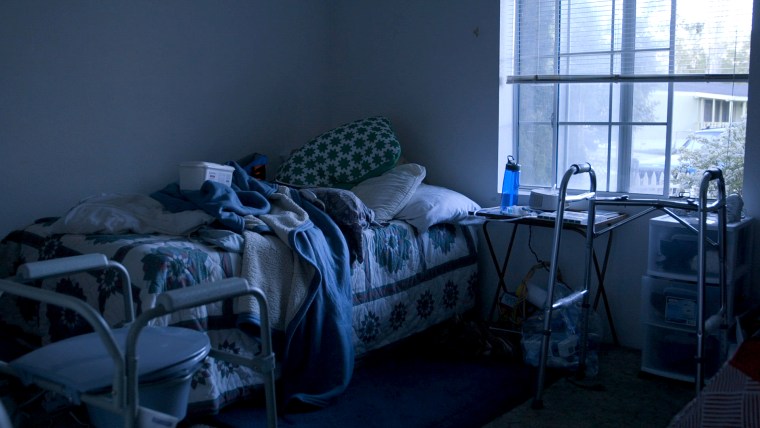
On a side note, Jerry was taken to this home without having any notice. Jerry was not allowed to tell the people he cares about goodbye nor any information about how to visit him or call him. Jerry was not allowed to make any arrangements for his beloved pets nor have time to say goodbye to them. Jerry wasn't afforded the opportunity to pack any of his own clothes, gather family pictures to take with him, or any other personal belonging that could have helped Jerry adjust to his new surroundings. Jerry's medications were left behind as well. Jerry went to this facility with just the clothes on his back.

Jerry was treated like a convict, uprooted, processed, assigned a room, and both Les and Jen barred from seeing him, at least for the time being. Les and Jen are the 2 people who have been there for Jerry since this whole thing began. Jerry and Les have been friends for over 30 years. Jerry's conservator's, who knew about this happening months in advance, came one morning, picked Jerry up for a doctors appointment, and then took Jerry to a nursing facility.

Since then, Jerry hasn't been able to see his 2 dogs and 6 cats. Jerry hasn't been allowed to see Les, his trusted friend of over 30 years, until 11/17/2019, 4 days later. Has none of his personal belongings with him or any family pictures. In fact, while Les and Jen were visiting Jerry in his room, they noticed brand new clothing was bought for Jerry that hadn't been put away yet. Jerry has clothes at home? What if Jerry has some family heirlooms that have been in the family for years? What happens to those? If Les wasn't at the house, who would be taking care of Jerry's pets?

They both knew they were going to be moving Jerry according to a memorandum dated June 7, 2019. They knew about their plans, they withheld this information from Jerry, they didn't even give proper notice to Jerry or anyone else that they were obligated to do, etc... This memo stated a computation of fees and below those figures it stated the following:

"Activities include: Managing caregivers, managing residence, working with code enforcement and housing, paying bills, managing health insurance, arranging for care of animals, organizing and overseeing clean out and repair of home and surrounding yard, completing paperwork needed for medical management and doctor requests, arranging transport to medical appointments, coordinating treatment."

This document was signed by JC under penalty of perjury that the foregoing is true and correct dated on June 18, 2019. June 18, 2019 is also the date of a court event.

When the judge granted the conservator permission to open Jerry's mail, Jerry's conservator had all of Jerry's mail forwarded to their office. The permission was granted so that the conservator could do their job and pay the bills. Being granted permission to open someones mail doesn't mean you have permission to have their mail redirected and it doesn't mean that Jerry wasn't allowed to see his mail.

Any notice regarding court events was now being rerouted to 650 Imperial Way, the conservatives office. This is a form of isolation keeping Jerry in the dark about anything that was going on regarding him and his estate. Jerry went to the 1st hearing because he received notice about the hearing in the mail, before his mail got rerouted.

Jerry wanted to go to the court hearings, he wanted to appeal the conservatorship, he wanted to take this case to a trial. Jerry's wishes were only mentioned in the court investigators report to the court, which was mailed to his home address, but rerouted to the conservator's office, then returned to sender, never allowing Jerry the opportunity to receive and review a document that he was entitled to receive. Not even Jerry's public defender did anything to help Jerry out.

Jerry has been kept in the dark since the day the judge granted Napa County to be Jerry's guardian over Jerry and his estate. The following is a list of events beginning on June 18, 2019:

================

06/18/2019 Accounting

Comment:
Second account and report of conservator; petition for Allowance of fees to conservator of person and estate and attorney for conservator

06/18/2019 Notice of Hearing (in which Jerry never received nor was told about)

06/25/2019 Report: Investigator-Conservatorship PERSON & ESTATE-Bienn

07/03/2019 Returned or Undeliverable Mail (The address was correct for Jerry's address and the address was correct for the conservator's address. Why wasn't this document deliverable? Why was it returned?)

07/09/2019 Certificate of Mailing

07/11/2019 Review - Biennial

07/11/2019 Hearing: Accounting

07/11/2019 Hearing: Accounting

07/11/2019 Order

07/11/2019 Minute Order

07/11/2019 Notice

07/13/2021 Review - Biennial

07/13/2021 Hearing: Accounting

================

When looking up the court case at the clerks office in the courthouse and reviewing court documents filed in this case on November 13, 2019, no original notice with proof of mailing had been filed with the court.

In fact the last court event was on July 11, 2019. The following was scheduled for that hearing:

================

Petition for second account and report of conservator; petition for allowance of fees to conservator of person and estate and attorney for conservator.

Order settling second accounting and report of conservator; allowing fees to conservator of person and estate and attorney for conservator.

Schedule Biennial Review/Accounting hearing for July 13, 2021 at 8:30 am.

================

There were 2 court investigator reports to the court done by 2 different court investigators. According to Probate Code 1826 (a)(12)(E)(f) it states:

(f) An investigation by the court investigator related to a temporary conservatorship also may be a part of the investigation for the general petition for conservatorship, but the court investigator shall make a second visit to the proposed conservatee and the report required by this section shall include the effect of the temporary conservatorship on the proposed conservatee.

In this case, the conservator didn't have the 1st court investigator interview the conservatee, but had a court investigator from another county complete this report. How is the 2nd court investigator suppose to know what the effects of the temporary conservatorship had on the proposed conservatee when they were not the ones to conduct the inerviews of the 1st report?

The 1st one was done by the Napa County Court Investigator Kathleen O'Neill dated April 28, 2016. She filed her report to the court and mailed it to the entitled persons to notice, one of which was Jerry, to be sent to 1247 Eggleston Street. However, the conservator had all of Jerry's mail forwarded to their address at 650 Imperial Way Ste 101, and from there it was returned to the sender.

There was a second court investigator report done by Gary R. Buchholz dated June 24, 2019 from a different county. He filed his report to the court and mailed it to the entitled persons to notice one of which was Jerry to be sent to 1247 Eggleston Street. However, the proof of mailing stated it was being mailed to Jerry at 650 Imperial Way Ste 101.

In both court investigator reports, Jerry expressed that he wanted to object to the proposed conservator expressing concern he will be forced to move from his home. He also wished to attend court hearing on this matter and take it to a trial. How is Jerry suppose to do this when he wasn't receiving proper notice and the conservator was not giving Jerry any of his mail nor was the conservator informing Jerry of the court notices?

The court may have granted the conservator the power to be allowed to open Jerry's mail, but that doesn't mean to withhold Jerry's mail and not allow him to see his mail. By having all of Jerry's mail forwarded to the conservator's office, Jerry was deprived of his right to be informed and attend the court hearings in order to defend himself and protect his estate.

On November 13, 2019, Jerry was removed from his home without receiving the proper pre-move notice in the mail when moving a conservatee from their personal residence to a nursing facility in which Jerry was entitled to receive a notice of said move 15 days prior to them moving him. (Rule 7.1063. Change of conservatee's residence)

The conservator has stated to Jen and Les that they have 9 other clients that are currently at Country Inn nursing facility where they have placed Jerry at and this is the nursing facility that they will be going to when they are older. How many clients have the conservator's had that didn't end up in a facility? How many have they had that have ended up in a facility?

The conservatory was suppose to protect Jerry and his estate. Instead the conservator destroyed this mans stable financial future and then uprooted Jerry out of his own home that he has lived in for over 38 years in order to place him in a nursing facility.

INFORMATION FOR THE CONSERVATEE:

https://www.courts.ca.gov/1301...
 
What can be done for Jerry at this point? Who can Les and Jen contact on behalf of Jerry?

PLEASE HELP!

===========


Full Article & Source:
Elder Abuse!!!

Caregiving Essentials: What You Need to Know to Keep Seniors Safe at Home

by Adele Jackson-Gibson

So your loved ones are getting older and life is getting a bit more complicated than it used to be.Maybe their vision is getting worse, maybe they have more aches and pains than they did before, and maybe it’s more difficult to walk up and down the stairs. Some elderly people can also suffer from dementia, which might cause them to accidentally leave the stove on or other dangerous mistakes.

The effects of aging can be worrisome, especially for the senior’s loved ones. If the elder adult doesn’t live in a nursing home, family members often have to make sure their house is set up so that they can live comfortable and safe lives.

Making these changes can feel demanding, and meeting each senior’s specific needs might be puzzling.Wherever you are, we’re here to make sure you’re ready for every situation that a senior might encounter.Here’s everything you need to know to keep your senior loved ones safe at home.

Why Assessing Home Safety Is Vital for Older Adults

Senior Safety

Okay, so perhaps your Grandpa’s health is right as rain and you’re not worried about him in the slightest. He’s 70 years old and still runs marathons and does CrossFit twice a week. You’re not worried about him at all.

However, you should still remember that he’s a senior and needs to be checked up on. In fact,One in four older adults over the age of 65 suffer from falls, the majority of which occur at home, according to the Centers for Disease Control and Prevention.

Every year, three million older adults are treated in the emergency rooms for fall injuries, which cost $50 million in total. Patients who suffered from falls are often treated for broken bones, most commonly wrists, arms, hip and ankle fractures, plus brain injuries. In fact, falls are the most common cause of life-threatening brain trauma.Even if a senior collapses and doesn’t injure themselves, the emotional trauma of having fallen can have a lasting impact.

Of course, the risk of falling isn’t the only thing to worry about. When it comes to quality of life for older adults, we have to be mindful of what medications they are using. We have to make sure they have the right health devices and safe appliances, starting off with their homes.

Room-by-Room Safeguarding for the Elderly


How To Senior Proof Homes
There’s so much to think about when you have an elderly person living in your home or living independently. As falls are a common occurrence among seniors, it’s important to make sure that the house is senior-proof, so that even if they fall, there’s nothing they can injure themselves on. You also want to make sure that every room of their homes is easily accessible. This guide provides room-by-room instructions for senior-proofing homes.

Foyer and Hallways

Consider putting a bench for the front door for seniors.

This is the place where people put on or take off all of their outerwear: shoes, coats, scarfs, hats, bags, and more. Depending on the weather and the person, getting ready to head out the door could be quite the process, especially if they have to balance a ton of gear.To help out older adults, consider putting a bench by the door. That way when it’s time to get ready, they have a place to sit and put their clothes on in a safe manner.

In addition, entrance halls tend to be homes for welcome mats and door rugs. Mats and rugs that aren’t attached to the floor can slip and slide, potentially causing someone to trip. If you have any sort of throw rugs in the foyer, use double-sided tape to keep them from moving or make sure to buy rugs with non-slip backing.

For those with arthritis, round door knobs can be a pain. Replace these knobs with levers instead. Lastly, if you live in a home that has narrow doors or hallways, think about widening them. Seniors who use wheelchairs, walkers or other mobile devices will benefit especially.

Bathroom

Bathroom Safety for Seniors

Water and slick surfaces make it easy for people to fall, whether elderly or not. That’s why the bathroom is one of the most hazardous places in the house. Every year, about 235,000 people over the age of 15 have been injured in the bathroom, mostly while bathing or showering.

Elderly people are particularly at risk when using the toilet because not every senior can sit and stand. Able-bodied individuals often don’t realize how much strength, balance and mobility it takes to use a toilet successfully. To help elders use the toilet and avoid other bathroom hazards:
  • Consider using a raised toilet seat or a toilet seat elevator: Toilet seats 17 to 20 inches higher make the toilet a more comfortable experience for seniors, according to experts.
  • Install grab bars: If possible, put grab bars on the walls next to the toilet or install safety rail devices or commodes that slink behind the bowl. You should also install grab bars inside and outside of any showers and bathrooms.
  • Place non-slip rubber mats in slippery areas: Put these in front of any sinks and both inside and outside of showers and tubs.
  • Buy a stool or chair for grooming purposes: If your beloved senior loves to groom themselves in front of a mirror, get them a stool to make it easier for them to complete their daily routine.
  • Consider retrofitting your plumbing: You can install walk-in tubs and showers so the elderly in your home don’t have to step over any barriers to take a bath. You can also insert foldable chairs so they can shower sitting down with a flexible shower wand. As for the toilet, you can add a raised toilet seat or install a toilet seat elevator.
  • Make sure the doors lock and unlock on both sides: If anything bad happens in the bathroom, you want to make sure that you can get in there to help.
  • Keep the water heater at 120 degrees Fahrenheit or lower: Some seniors have impaired senses and slow reaction times, meaning that if the water is scalding hot, they might not be able to notice or change it immediately. Hot and cold water baths can also be dangerous for older adults with health issues. So keep the water at a safe temperature, and if needed, monitor your elders when they hop in the tub. 

Drug Safety

Since most medicines are kept in the bathroom, it’s important to be aware of how they are stored so that seniors use them appropriately.

Seniors and Safe Drug Use When you check out your senior’s medicine cabinet, make sure to :
  • Clearly label medicines and check that the labels are visible: If the senior suffers from poor vision, create labels with a large font. Also check to see that the medicine cabinet has adequate lighting. You don’t want someone to take the wrong medication and dosage because they were unable to read the label.
    Senior Drug Safety
  • Toss out old or expired medications: Full disclosure, some studies say that medications can still be effective years after their expiration dates, according to an article from Harvard Health Publishing. However, it’s better to be safe than sorry, particularly if that drug is life-saving. It’s also important to keep in mind that liquid medications can be a welcome environment for bacteria and fungus if you have them long enough. Obviously, you don’t want your senior to put contaminated medications anywhere near their body, so be vigilant when it comes to their medicine cabinet.
  • Consider ordering bubble packs: This can be a convenient option for older adults who need to take a lot of different medications throughout the day. Ask your pharmacists to organize their pills in seven-day or 31-day bubble packs so your loved one doesn’t have to sort through pills every day. All they have to do is to pop the pills out of the pack at the appropriate time. Pill cases are another option, although they require more effort outside of the pharmacy.
  • Check for borrowed meds: Sometimes when people suffer from certain ailments and lack medical resources, they’ll accept drugs from well-meaning friends and family. Despite their good intentions, sharing medications can be very dangerous. Doctors prescribe drugs according to each person’s unique needs, so one patient’s pills may not be appropriate for somebody else. If you find some medication that wasn’t prescribed to your senior, be sure to alert them of the dangerous of sharing medicine.

Bedroom

Senior Proofing Bedrooms
While bathrooms are the most dangerous rooms when it comes to falls, bedrooms are another area of top concern, especially as seniors get in and out of bed. To senior-proof the bedroom:
  • Remove excess furniture: The fewer pieces of furniture you have, the better. If an older adult doesn’t have the sharpest motor skills, it’s best to create a space that they don’t have to zig-zag through.
  • Plug in those nightlights: Some seniors make frequent trips to the bathroom at night so it’s important that they can see when it’s dark. This is especially important for older adults with poor eyesight.
  • Place walking aids close to the bed: Make sure walkers, wheelchairs and all other mobile aids are within arms reach of the bed.
  • Install bed rails or floor-to-ceiling poles: Getting up can be extremely challenging for seniors. Try installing bed rails or support poles so that they can use their arms to hoist themselves up.
  • If needed, assist the older adult as they get up:Even if they have support rails or poles, you might want to give them an extra hand when they get out of bed. Sometimes the elderly person can get up too quickly, which causes dizziness.
  • Remove clutter and keep cords out of the way: This will reduce the likelihood of tripping on anything. If you have any sort of cord on the floor, make sure it is hidden behind furniture or at least out of the major walkways.
  • Fix damaged floors and carpets: Damaged flooring can be a major tripping hazard.
  • Make sure night stands are accessible from the bed: This keeps lamps, medications and any other important items accessible.
  • Ensure that the mattress is not too high: Getting into bed can also be tough for seniors, although the ideal height will vary according to each person’s ability and stature.

Kitchen

Senior Kitchen Safety
When it comes to the kitchen, you want to make sure the room is convenient to use and has senior friendly appliances. The last thing you want is for Aunty to stop cooking because she can’t reach her utensils or for Grandpa to forget that he left the stove on. So to prevent any of that from happening, here’s everything you need to consider:
  • Store frequently-used utensils and food within reach: This could be as extreme as remodeling the cabinets so that they are more accessible, or as simple as rearranging all of the pots, pans and seasonings so seniors can easily access what they need. A reacher-grabber might also come in handy for those hard-to-reach items.
  • Store knives in a rack: If exposed sharp knives are kept in a drawer with other utensils, there’s a chance that an older adult could accidentally injure themselves.
  • Buy a comfortable counter stool: Some older adults no longer have the ability or the stamina to cook while standing. A stool would help them significantly.
  • Get a well-lit refrigerator: Refrigerators with clear bins are also helpful. Make sure the refrigerator doors have long, one-piece handles. These are easier to grip for those who have arthritis or any medical condition that causes numbness in the hands and fingers.
  • Label foods with expiration dates: Write in large letters if your elder has trouble seeing.
  • Buy automatic stove shut-off devices: These sensors are great for preventing gas leaks and fires.You can also get appliances like coffee pots and kettles with shut-off features built-in.
  • Install an automatic fire extinguisher: With heat-sensing capabilities, these fire extinguishers should be placed over a stove, automatically putting out any stovetop fire.
  • Consider replacing the stove with a microwave: For an even safer option, microwaves make cooking much more simple and safe, decreasing the likelihood of a house fire. Make sure to tell your senior how to use it safely!
  • Regularly check your fire and CO alarms: It’s important that these devices work so that you can be alerted if trouble breaks loose.
  • Replace glass items with plastic ones: This way, your senior will avoid having to clean up shattered dish ware. Consider replacing heavy pots and pans with lighter ones, as well; they’ll be much easier to handle.
Living Room
Senior Living Room Safety
The living room is where you’ve got your couch, your TV and your decorative furniture. Maybe you’ve got potted plants here and there, a coffee table with a throw rug. While oftentimes the living room is a place to relax, play and host, it can be a minefield for the elderly who don’t always have their wits about them. To make your living room comfortable for older adults:
Replace Senior's Remotes

  • Clear the floors: Watch out for runners, rugs, fallen remotes, loose toys or any other items that could make for a dangerous obstacle. Older adults tend to use shorter and smaller steps than their younger counterparts, so it’s important that all tripping hazards are eliminated.
  • Check the carpeting: If you happen to have a carpet on the floor, make sure there’s no loose thread or holes for people to trip on.
  • Rearrange the furniture: Make sure that there are plenty of open space to move around safely.
  • Use secure furniture and decorative items: Many times seniors with mobility issues use the items around them for balance and stability as they move around. If your living room has a lot of items that can tip over or move easily, consider removing them. Look out for items such as rolling chairs, table lamps or any lightweight furniture.
  • Consider installing grab bars: To eliminate the chances of Grandma grabbing onto an item that can fall over, install some sturdy grab bars where it’s convenient for her.
  • Hide the cords: Minimize the space between outlets and electronic devices so that you don’t have cords running across the living room.
  • Replace your remotes: Many TV remotes have dozens of buttons that can be hard to read, even for younger audiences. Consider replacing them with simplified remotes with larger buttons.
  • Consider buying a senior friendly recliner: There are chairs out there that can lift a person into near-standing position, incredibly useful for seniors who have trouble getting off their seat. 
  • Laundry Rooms

    Senior Laundry Room Safety
    If the older adult in your life is still washing their own clothes, it’s important that you arrange the laundry room to ensure their safety. Try these tips:
    • Buy easy-to-use appliances: Get washers and dryers that have legible controls located at the front of the machine. If the controls are in the back, they might be hard to reach for people in wheelchairs. In the same vein, front-loading washers and dryers with side-opening doors are more convenient appliances for seniors.
    • Add easy-roll storage near the washer and dryer: This can be a great place to put all of the detergents and dryer cloths.
    • Provide a seated work area: This makes folding clothes a lot easier.
    • Get a rolling laundry cart: Carrying clothes around in a bin can be too big of a task for most seniors, but a rolling cart can help them transport heavier loads around the laundry room and beyond.
    • Use an adjustable ironing board: This way, seniors can press out their clothes while seated.
    • Install a low clothesline: Have it at a height where your elder can hang the delicates. 

    Staircases

    Senior Safety on Stairs
    A person needs to have proper balance, stamina and depth perception to go up and down a staircase safely. But not all stairs are made alike. Some have high and wide steps, some have narrower and low steps, and some are even “open backed” which could mean you can see through to the floor. Not surprisingly, stairs can be a huge challenge for older adults, but there are ways to make stairs easier to handle:
    • Clear stairs of loose rugs and obstacles: Loose items can make anyone trip down the stairs, senior or not.
    • Make sure the staircase has good lighting: Light is extremely important for depth perception. If your staircase is dark, consider installing lights along the steps.
    • Consider installing rubber, abrasive treads or non-slip tape: This will help prevent falls.
    • Install secure handrails on both sides: Handrails will help people stabilize themselves on their ways up and down.
    • Consider getting rid of “open backed” stairs: If the house has “open backed” stairs, you may need to do a bit of construction. These types of staircases can cause visual disturbances, messing with depth perception and therefore overall balance.
    • Warn seniors against wearing reading glasses while using the stairs: Bifocals and “cheaters” can hurt one’s perception, causing dizziness.
    • Consider buying a stair lift: If your elder has a lot of trouble navigating the stairs, a stair lift is a great option. 

    Driveways and Porches

    Sweep driveways and porches clean to keep seniors safe. Because of adverse weather, like rain, ice and snow, uneven surfaces like driveways and porches can be highly risky for older adults. While you can’t control the weather (yet), here are some changes you can make:
    • Sweep everything clean: Make sure all driveways and decks are free of debris.
    • Decorate the porch with waterproof and textured paint: This will increase traction, preventing falls.
    • Paint low curbs with bright paint: If you’re allowed to paint the property’s curbs, this is a great way to increase visibility.
    • Install motion-sensitive outdoor lighting: This way, anytime your Grandpa steps outside, he will have plenty of light to see where he is going, without having to manually turn it on.
    • Place handrails by any stairs: For added support, use abrasive strips or rubber stair treads to prevent slippage.
    • Salt the driveway when it snows: You don’t want any ice to form on the driveway. Cat litter also works as added traction.
    • Remove protruding tree roots from driveway and sidewalks: These are tripping hazards.


    Seniors and Cybersecurity

    Senior Home Office Safety
    Nowadays, many older adults use computers, cell phones and the Internet in their daily lives. Unfortunately, seniors are the most vulnerable group when it comes to phishing and other online scams. While senior proofing a house is important, it’s also important to protect their online security. Here are some best practices:
    • Educate seniors about hackers: Explain how dangerous it can be to open a suspicious email or click on a foreign attachment. Perhaps the sender is pretending to be the government, requesting that the recipient send their social security number. The government would never ask for such personal information via email, but not everyone knows this. Hackers can easily take over one’s computer and steal information if people are unaware of such scams.
    • Install malware-fighting software: This software fights viruses and decreases the chances of being hacked.
    • Warn seniors about phone scams: Some criminals will call the house, saying that the senior owes them money or that they just won a free trip, all in service of obtaining their personal information. Tell your older loved ones about these type of scams and get them caller ID to filter out unknown callers. You can also sign up for a “do not call” registry to block telemarketers.
    Full Article & Source:
    Caregiving Essentials: What You Need to Know to Keep Seniors Safe at Home

    Saturday, November 30, 2019

    Some nursing homes are illegally evicting elderly and disabled residents who can't afford to pay

    “You’re just a piece of garbage,” one evicted nursing home resident said. “They’ll kick you right out on the curb.”
     
    Click to Watch Video
    By Katie Engelhart
     
    BISHOP, Calif. — When Jamie Moore arrived home on a Thursday evening in March, she was surprised to find her mother-in-law in her living room. Glenda Moore, 67, had been sitting in her wheelchair for hours. Without anyone to help her to the bathroom, she’d had an accident. She was also having trouble breathing. “It was awful,” Jamie Moore recalled.

    Glenda Moore told Jamie that she had been discharged from the Bishop Care Center nursing home, in Bishop, California. She had been living at the nursing home — a sprawling brick building on the side of a state highway — for several weeks, recovering from a back surgery that unexpectedly left her unable to walk much or take care of herself.

    Several days earlier, nursing home administrators had shown Glenda Moore a letter from Medicare, explaining that her rehabilitation coverage was ending. She was unable to pay the nursing home’s more-than-$7,000 monthly fee, so, thinking she had no other options, she left. (A relative dropped her off at Jamie’s home, where Glenda Moore had lived previously, without telling Jamie.)

    “They pushed her out and she was not ready,” Jamie Moore, who has worked as a nursing assistant, said. “She was not ready at all.”
    Glenda Moore went to a nursing home to recover from a back surgery that unexpectedly left her unable to walk much or take care of herself.
    Glenda Moore went to a nursing home to recover from a back surgery that unexpectedly left her unable to walk much or take care of herself.Valerie Bischoff / for NBC News
    As the family later learned, Glenda Moore had the right to appeal the Medicare decision, or to apply for Medicaid — and, if she qualified (which she later did), to stay in the nursing home on Medicaid for as long as she needed nursing care. Instead, Moore’s family said, Moore became one of thousands of Americans discharged against their wishes or evicted from nursing homes each year. (The Bishop Care Center maintains that Moore's health had improved and that she voluntarily left the facility, and points out that they gave her a document noting her right to appeal the Medicare decision.)

    Nationally, long-term care ombudsmen, who advocate for elderly and disabled residents of nursing homes and assisted living facilities, received 10,610 complaints about discharges and transfers in 2017, up from 9,192 in 2015. The ombudsmen, whose work is federally mandated and state-funded, receive more complaints about discharges and transfers than any other grievance.

    The complaints likely expose just a small fraction of the problem, said Kelly Bagby, vice president at the AARP Foundation, a nonprofit that serves vulnerable people over 50.

    “Most people don’t even know they have rights,” she said. And many complaints never result in a formal state investigation.

    Advocates, experts and the federal government say that nursing homes tend to evict low-income, longer-term residents who receive Medicaid, to make room for shorter-term rehabilitation patients who are covered by Medicare. Medicare reimburses nursing homes at a higher rate than Medicaid, so it’s more lucrative for facilities to house Medicare patients who stay for short stints before recovering and moving elsewhere.

    In California, for example, the average state Medicaid reimbursement for a nursing home is $219 per day, according to the California Association of Health Facilities, while Medicare may reimburse more than $1,000 per day, but only for up to 20 days, when patients must begin paying part of the fees. (Medicare coverage ends completely after 100 days.) Advocates say that eviction notices are often handed out around the 20-day mark.

    “It is illegal to discriminate against residents based on payment source, but it happens all the time,” said Tony Chicotel, attorney at the California Advocates for Nursing Home Reform, a nonprofit that supports long-term care residents in the state. “It feels like there’s just a tidal wave of cases.”

    Chicotel said he receives calls every day from panicked residents or family members being threatened with discharge from a long-term care facility.

    Deborah Pacyna, director of public affairs at the California Association of Health Facilities, a trade association representing nursing homes, told NBC News that improper and illegal discharges are “a really rare thing,” and that the issue is exaggerated by media attention.

    She added that California’s Medicaid program, Medical, does not provide “adequate funding” to care for many patients with complicated health issues and behavioral disorders. “Medicare pays more. Those people are rehab patients; they’re in and out,” she said. “That is how they break even,” she added of nursing homes. “Society’s problems are manifesting themselves on the doorsteps of nursing homes.”

    ‘You’re just a piece of garbage’


    Nursing homes are legally permitted to evict residents under several conditions: if a resident’s health improves sufficiently; if his presence in a facility puts others in danger; if the resident’s needs cannot be met by the facility; if he stops paying and has not applied for Medicare or Medicaid; or if the facility closes. Facilities are obligated under federal law to give 30 days’ notice, in writing, and also to work with the resident on a transition plan.

    Bagby, of the AARP, said that while some residents are issued formal discharge letters with advance notice, others are asked or pressured to leave with “no due process rights, no notice.”

    In one case in Los Angeles, in April 2018, Ronald Anderson said he was woken at night by the nursing home staff at the Avalon Villa Care Center and told he was being evicted. Anderson, 51 at the time, had moved into the facility over a year earlier to recover from a partial foot amputation. He said he was loaded into a van and dropped off on a sidewalk in downtown Los Angeles, which has one of the largest homeless populations in the country, according to a report from the California Department of Public Health.

    Anderson, who is diabetic, was left in a wheelchair without his insulin or testing supplies — on a street cluttered with tent encampments and broken glass. The Department of Public Health report noted that he could have slipped into a coma or died.

    “You’re just a piece of garbage,” Anderson said, from the Union Rescue Mission homeless shelter in Los Angeles where he now lives. “They’ll kick you right out on the curb.”
    Ronald Anderson now lives at the Union Rescue Mission homeless shelter in Los Angeles.
    Ronald Anderson now lives at the Union Rescue Mission homeless shelter in Los Angeles.Valerie Bischoff / for NBC News
    Avalon Villa Health Care, which runs the nursing home, later paid $450,000 to settle a civil complaint filed by the Los Angeles city attorney in response to Anderson’s case and other evictions of homeless residents, with the money going toward civil penalties, hiring and training Avalon Villa staff and finding temporary housing for the facility’s homeless residents. The city attorney set up an emergency hotline and invited members of the public to report cases of resident abandonment.

    A lawyer for the Avalon Villa Care Center told NBC News that the facility “strongly disputes that it has inappropriately discharged any patients” and “rejects the allegations of the city attorney.”

    The Rev. Andy Bales, director of the Union Rescue Mission, said “resident dumping” from nursing homes and hospitals is so common that the shelter set up a security camera outside — which Bales calls “the dump cam” — to capture evidence of it. He said he is aware of at least four instances from the last year in which people have been dropped off on nearby streets by hospitals or nursing homes — though he believes the number is higher. As a result of the security camera, he said, “They won’t dump them off in front of us anymore.”

    California’s long-term care ombudsmen received 1,404 complaints about nursing home evictions in 2018, up from 1,022 in 2014. Several lawsuits concerning nursing home discharges have recently been filed in the state.

    Molly Davies, a California long-term care ombudsman, said that in addition to receiving more complaints about evictions, “there has also been an uptick in the egregiousness of some of these cases.”

    In some instances, she and other experts said, nursing homes drop residents off at a low-cost motel and pay for a night or two. “We’ve seen cases with residents who have dementia put into a van and dropped downtown onto the streets, without the ability to care for themselves,” she said.

    The California Department of Public Health does not track where nursing homes discharge patients, according to a department spokesman, nor does the California long-term care ombudsman program. In some instances, however, routine state inspections and inspections following complaints uncover problems.

    In a 2018 incident, described in a California Department of Health and Human Services report, a Rosemead nursing home discharged a resident to a hotel without any medical equipment and without ensuring that the hotel was “a safe environment.” The female resident still required assistance with activities such as using the toilet and bathing, and was found to lack “the capacity to make her needs known.” The nursing home received a federal “deficiency” citation.

    In another case that resulted in a deficiency citation, a nursing home resident who “needed extensive assistance” to move between locations in his bedroom was discharged to a motel — and, a few days later, ended up in a hospital for emergency care.

    These practices are not unique to California. In Maryland, one nursing home resident was dropped off in Baltimore, a city she had never been to, according to the state attorney general’s office. In another instance, a Washington County Sheriff’s deputy accused a nursing home of discharging a resident to a storage unit on a hot summer day.

    Even when residents appeal eviction decisions through a state process and win the right to return to a nursing home, that nursing home sometimes refuses to readmit them, a group of plaintiffs told the Ninth Circuit Court of Appeals found in July. The case is still pending, but the appeals court agreed with the plaintiffs that federal law does not allow “meaningless show trials that allow nursing homes to persist in improper transfers and discharges.”

    The California Department of Health Care Services, the California Department of Public Health and the federal Centers for Medicare & Medicaid Services all declined to comment, citing department policy not to comment on pending litigation.

    A push for enforcement


    In 2016, the Centers for Medicare & Medicaid Services strengthened regulatory requirements around nursing home discharges and transfers, specifying that residents cannot be evicted for nonpayment while they are in the process of applying for Medicaid or appealing a Medicaid denial. A year later, the agency announced an initiative to prevent illegal nursing home discharges, acknowledging that “some discharges are driven by payment concerns, such as when Medicare or private pay residents shift to Medicaid as the payment source.”

    So far, the agency has approved $784,630 for a program in California that focuses on training nursing home staff on discharge regulations, a spokeswoman said in an email. The agency also provided $84,00 for a smaller project in Montana. Beyond that, the agency is not acting directly to address illegal evictions but is instead encouraging states “to propose projects that seek to address facility-initiated discharges that violate federal regulations,” the spokeswoman said by email.

    Advocates for nursing home patients said more is needed. They want both federal and state agencies to do more to enforce existing rules on evictions.

    “We haven’t seen any change in practice,” said Davies, the California long-term care ombudsman. “We haven’t seen a reduction in inappropriate transfers and discharges. There are certain enforcement tools that they have that they aren’t using consistently.” These tools, she said, include substantial fines.

    But the federal government has made changes that reduced fines against nursing homes that harm or endanger residents. Nursing homes used to receive fines for each day a violation was observed, but after a change the Trump administration implemented in July 2017, nursing homes are now usually fined just once per retroactive violation.

    Robyn Grant, director of public policy and advocacy at the National Consumer Voice for Quality Long-Term Care, an advocacy group, says this change can affect the way illegal evictions are punished. For instance, a nursing home that evicts a patient and refuses to readmit the person may be fined one time, instead of every day that the resident is denied access to a bed.

    In the first 18 months following the change in guidelines, nursing homes across the country paid about $47 million less in fines for all violations compared to the previous 18-month period, said Dr. David Gifford, senior vice president of quality and regulatory affairs at the American Health Care Association, the nursing home industry’s main lobbying group.

    Gifford told NBC News that the change was not about saving the industry money, but was meant to ensure consistent standards. He said the new fine structure incentivizes nursing homes to report violations and improve resident care.

    ‘I thought I was completely covered’


    After she left the Bishop Care Center nursing home in March, Glenda Moore grew sicker. Over the following weeks, she cycled among her son and daughter-in-law’s home, several emergency rooms and another nursing home an hour away. According to her son and daughter-in-law, she was diagnosed with a bladder infection and pneumonia.

    “I don’t want to be a burden on the kids,” Glenda Moore told NBC News in an interview in April. “I had retirement insurance, I had Medicare, I thought I was completely covered. That doesn’t count for anything … I had no idea.”

    In May, her family appealed her discharge from the center. At a hearing conducted by the California Department of Health Care Services, the nursing home’s administrator said Glenda Moore had left willingly, according to the state’s summary report.

    The state’s hearing officer ultimately found that the facility “failed to meet all of the regulatory-mandated discharge planning requirements.” However, the hearing officer ruled in favor of the nursing home, noting that Glenda Moore agreed to leave and was given paperwork notifying her of her right to appeal Medicare’s noncoverage decision.

    By late July, her weight had dropped to about 80 pounds. She was hospitalized, and on Aug. 2 she died from acute renal failure and cardiopulmonary arrest.
    Glenda Moore lived for a time with her son and daughter-in-law.
    Glenda Moore lived for a time with her son and daughter-in-law. Valerie Bischoff / for NBC News
    Her family believes she wouldn’t have become so sick if she had been able to stay in the Bishop Care Center for a few weeks longer, until she was more stable.

    Jamie Moore said her mother-in-law’s experience has changed the way she thinks about her own retirement.

    “I never thought about it much until now. It scares the crap out of me,” she said. “The system is the system. What are you doing to do?”

    Full Article & Source:
    Some nursing homes are illegally evicting elderly and disabled residents who can't afford to pay

    Top 7 Celebrity Estates Impacted By Alzheimer’s Disease

    In honor of Alzheimer’s Awareness Month - and the more than five million Americans living with the disease - we highlight our Top 7 Celebrity Estates impacted by Alzheimer’s disease:

    1. Rosa Parks
     

    The legendary civil rights icon died at age 92 in 2005, suffering from Alzheimer’s disease. Her death set off a series of legal battles over her estate that continue to this day, 14 years later.

    Rosa Parks’s estate plan left her assets to a charitable institution she created. But her nieces and nephews challenged the validity of her will and trust, due to her mental deficiencies and allegations of undue influence.

    That claim was eventually settled, giving the relatives a 20% share of her assets. But that settlement was far from the end. Since then, there have been ongoing fights over broken deals and leaked secrets, claimed mismanagement of her estate and assets, allegations of bribery and corruption, and a lengthy battle over requested sanctions based on Rosa Parks’s missing coat that she wore at the time of her famous arrest at the Alabama bus stop in 1955.

    For an iconic lady whose life was marked by grace, dignity, and self-sacrifice for the greater good, it’s especially tragic that her estate and legacy have been tarnished in ways that she never could have imagined.

    2. Gene Wilder


    The family of the late actor – famed for movies such as Willa Wonka & the Chocolate Factory and Blazin’ Saddles – raised awareness about the terrible effects of Alzheimer’s disease after he died in 2016.

    Luckily, his widow - his fourth wife, Karen - and his adopted daughter did not fight over Gene Wilder’s estate after he died, a testament to the importance of good estate planning. When someone has Alzheimer’s disease, proper wills, trusts, and powers of attorney are especially important.

    Instead of a fight, Wilder makes our list because of how his widow used her husband’s struggle - which she kept private while Gene Wilder was alive - to bring attention to the terrible disease, including allowing his Willa Wonka character to be used in a video campaign to raise awareness.

    3. Aaron Spelling

    When famed Hollywood producer Aaron Spelling died in 2006, he left behind a reported fortune worth $500 million. His death certificate listed Alzheimer’s disease as a contributing factor.

    Despite his mental struggles late in life, Aaron Spelling changed his estate plan just two months before he died, reducing the share to his daughter, actress Tori, and his son, Randy, to $800,000 each.

    Tori’s economic struggles were well-publicized in the years that followed. Even though she felt that the reduction in her inheritance was improper, she did not challenge the estate plan in court.

    4. Etta James

    Legendary blues singer Etta James passed away in 2012, at 73 years of age. Her family reported that she had been struggling with Alzheimer’s disease for several years. Her illness sparked an ugly court fight between her husband of more than 40 years and her son from a prior relationship over the right to make her medical and financial decisions, including control of her $1 million account.

    Etta James’s husband, Artis Mills, alleged that the power of attorney Etta had signed appointing her son, Donto James, as decision-maker was invalid because she was incompetent when she signed it. He sued for control of the money to pay for Etta’s care.

    After repeated court hearings, Etta James’s leukemia was determined to be fatal, which led to a settlement. Mills was granted conservatorship and permitted to control sums up to $350,000 to pay for Etta’s care for the last few months of her life.

    5. Peter Falk

    The famous actor who was best known for his role as Lieutenant Columbo, died at age 83 in 2011, after living with Alzheimer’s disease for years. His wife, Shera, and his adopted daughter, Catherine, fought for conservatorship to make his decisions in a heated court battle.

    Shera argued that she had power of attorney and could already legally make Peter Falk’s decisions for him, which included banning daughter Catherine from visits. The judge ultimately granted Shera conservatorship, but ordered a visitation schedule for Catherine. Sadly, a doctor who testified at the hearing said that Falk’s memory struggles were so great that he would likely not even remember the visits.

    6. Tom Benson

    The billionaire owner of the New Orleans Saints and Pelicans was the subject of a bitter and drawn-out court battle over control of his NFL and NBA franchises, and hundreds of millions of dollars of other assets.

    Prior trusts established by he and his late wife left the sports franchises and other business interests to his daughter and two grandchildren. One of them, Rita LeBlanc, ran the Saints as lead owner until she was fired by her grandfather. Tom Benson opted to take the controlling stock of the teams out of the trust and substitute other assets in their place, taking over control of the teams.

    His daughter and grandchildren fought the move, until a 2015 court ruling declared Benson to be competent, despite allegations he suffered from Alzheimer’s disease. Benson then changed his will and trust and left everything to his third wife, Gayle

    The two sides settled their dispute in 2017, leaving other assets to Rita, her mother and brother, but ultimately leaving Gayle in control of the Saints and Pelicans after Benson’s death in 2018 at age 90.

    7. Glenn Campbell

    The renowned country singer publicly revealed that he suffered from Alzheimer’s disease in 2011, as he embarked on a final “Goodbye Tour.” He died at age 81 in 2017, leaving behind eight children from four marriages, and his widow, Kimberly.

    Kimberly helped spearhead a critically-acclaimed documentary about Campbell’s struggle with Alzheimer’s and has openly talked about the details of her husband’s illness, not only the memory loss, but how it caused him to become paranoid and even violent.

    Glenn Campbell’s 2007 estate planning documents cut out three of his adult children, who sued to challenge their disinheritance after he died. In late 2018, they dropped the case, without receiving a settlement. The fact that Campbell’s final will was done a few years before his Alzheimer’s diagnosis was an important factor in the outcome of the lawsuit.

    As with the other celebrities on this list, Glenn Campbell’s estate shows how important proper estate planning is - before it’s too late. Wills and trusts that are created or changed after someone is diagnosed with Alzheimer’s disease, dementia or similar conditions are much more likely to be challenged in court, often successfully.

    Full Article & Source:
    Top 7 Celebrity Estates Impacted By Alzheimer’s Disease