Monday, September 19, 2016
‘America’s other drug problem’: Too many prescriptions for elderly
A doctor had prescribed blood pressure medication for a 99-year-old woman at a dose that could cause her to faint or fall. An 84-year-old woman hospitalized for knee surgery was taking several drugs that were not meant for older patients because of their severe potential side effects.
And then there was 74-year-old Lola Cal. She had a long history of health problems, including high blood pressure and respiratory disease. She was in the hospital with pneumonia and had difficulty breathing. Her medical records showed she was on 36 medications.
“This is actually a little bit alarming,” Bailey said.
He was concerned about the sheer number of drugs, but even more worried that several of them — including ones to treat insomnia and pain — could suppress Cal’s breathing.
An increasing number of elderly patients nationwide are on multiple medications to treat chronic diseases, raising their chances of dangerous drug interactions and serious side effects. Often the drugs are prescribed by different specialists who don’t communicate with each other. If those patients are hospitalized, doctors making the rounds add to the list — and some of the drugs they prescribe may be unnecessary or unsuitable.
“This is America’s other drug problem — polypharmacy,” said Dr. Maristela Garcia, director of the inpatient geriatric unit at UCLA Medical Center in Santa Monica. “And the problem is huge.”
The medical center, where Bailey also works, is intended specifically for treating older people. One of its goals is to ensure that elderly patients are not harmed by drugs meant to heal them.
That work falls largely to Bailey, a clinical pharmacist specializing in geriatric care.
Some drugs can cause confusion, falling, excessive bleeding, low blood pressure and respiratory complications in older patients, according to research and experts.
Older adults account for about 35 percent of all hospital stays but more than half of the visits that are marred by drug-related complications, according to a 2014 action plan by the U.S. Department of Health and Human Services. Such complications add about three days to the average stay, the agency said.
Data on financial losses linked to medication problems among elderly hospital patients is limited. But the Institute of Medicine determined in 2006 that at least 400,000 preventable “adverse drug events” occur each year in American hospitals. Such events, which can result from the wrong prescription or the wrong dosage, push health care costs up annually by about $3.5 billion (in 2006 dollars).
And even if a drug doesn’t cause an adverse reaction, that doesn’t mean the patient necessarily needs it. A study of Veterans Affairs hospitals showed that 44 percent of frail elderly patients were given at least one unnecessary drug at discharge.
“There are a lot of souvenirs from being in the hospital: medicines they may not need,” said David Reuben, chief of the geriatrics division at UCLA School of Medicine.
Some drugs prescribed in the hospital are intended to treat the acute illnesses for which the patients were admitted; others are to prevent problems such as nausea or blood clots. Still others are meant to control side effects of the original medications.
University of California, San Francisco researcher and physician Ken Covinsky, said many doctors who prescribe drugs in hospitals don’t consider how long those medications might be needed.
“There’s a tendency in medicine every time we start a medicine to never stop it,” Covinsky said.
When doctors in the hospital change or add to the list of medications, patients often return home uncertain about what to take. If patients have dementia or are unclear about their medications, and they don’t have a family member or a caregiver to help, the consequences can be disastrous.
One 2013 study found that nearly a fifth of patients discharged had prescription-related medical complications during their first 45 days at home. About 35 percent of those complications were preventable, and 5 percent were life-threatening.
UCLA hired Bailey about three years ago, after he completed a residency at University of California, Davis. The idea was to bring a pharmacist into the hospital’s geriatric unit to improve care and reduce readmissions among older patients.
Speaking from his hospital bed at UCLA’s Santa Monica hospital, 79-year-old Will Carter said that before he was admitted with intense leg pain, he had been taking about a dozen different drugs for diabetes, high blood pressure and arthritis.
Doctors in the hospital lowered the doses of his blood pressure and diabetes medications and added a drug to help him urinate. Bailey carefully explained the changes to him. Still, Carter said he was worried he might take the drugs incorrectly at home and end up back in the hospital.
“I’m very confused about it, to tell you the truth,” he said after talking to Bailey. “It’s complicated. And if the pills are not right, you are in trouble.”
Having a pharmacist like Bailey on the team caring for older patients can reduce drug complications and hospitalizations, according to a 2013 analysis of several studies published in the Journal of the American Geriatrics Society.
Over a six-month stretch after Bailey started working in UCLA’s Santa Monica geriatric unit, readmissions related to drug problems declined from 22 to three. At the time, patients on the unit were taking an average of about 14 different medications each.
Bailey is energetic and constantly on the go. He started one morning recently with a short lecture to medical residents in which he reminded them that many drugs act differently in older patients than in younger ones.
“As you know, our elderly are already at risk for an accumulation of drugs in their body,” he told the group. “If you put a drug that has a really long half-life, it is going to last even longer in our elderly.”
The geriatric unit has limited beds, so older patients are spread throughout the hospital. Bailey’s services are in demand. He gets paged throughout the day by doctors with questions about which medications are best for older patients or how different drugs interact. And he quickly moves from room to room, reviewing drug lists with patients.
Bailey said he tries to answer several questions in order to determine what’s best for a patient. Is the drug needed? Is the dose right? Is it going to cause a problem?
One of his go-to references is known as the Beers list — a compilation of medications that are potentially harmful for older patients. The list, named for the doctor who created it and produced by the American Geriatrics Society, includes dozens of medications, including some antidepressants and antipsychotics.
When he’s not talking to other doctors at the hospital, Bailey is often on the line with other pharmacists, physicians and relatives to make sure his patients’ medication lists are accurate and up to date. He also monitors patients’ new drugs, counsels patients about their prescriptions before they are discharged and calls them afterward to make sure they are taking the medications properly.
“Medications only work if you take them,” Bailey said dryly. “If they sit on the shelf, they don’t work.”
That was one of his main worries about Cal, the 74-year old with chronic obstructive pulmonary disease. Standing at her bedside, Bailey pored over the list of 36 drugs. Cal told him she only took the medications that she thought seemed important.
Bailey explained to Cal that he and the doctors were going to make some changes. They would eliminate unnecessary and duplicate drugs, including some that could inhibit her breathing. Then she should take as prescribed all of the medications that remained on the list.
Bailey said he’s constantly weighing the risks versus the benefits of medications for elderly patients like Cal.
“It is figuring out what they need,” he said, “versus what they can survive without.”
Kaiser Health News is a national health policy news service that is part of the nonpartisan Henry J. Kaiser Family Foundation.
Full Article & Source:
‘America’s other drug problem’: Too many prescriptions for elderly
Sunday, September 18, 2016
Tonight on T.S. Radio: Guardianship Abuse: Kathleen Dunn on the Court-Sanctioned Abuse of Her Mother
My mother was basically housed, fed, drugged and left to deteriorate with no stimulation, no care whatsoever and to die, which she did on August 19, 2015 from dehydration and no nourishment all per the guardian. My mother was forced into hospice.
Right before she died, I found out the guardian signed a DNR on my mother in 2014 without family consent or knowledge. I begged the doctors to give my mother a chance, I explained how she slept for 2 days in 2013 when she had an infectious bacteria. They said she was not alert. But my mother hummed for over an hour when I was singing to her, I was told it did not matter it would change anything..
My mother's death came right before we were to have a hearing to ask for the removal of the guardian.
Almost a year after my mother passed we had a hearing for contempt of court of the guardian for not providing us with pleadings, notices, etc. ordered by the judge on July 24, 2014. Also for accountability, etc.
June 3, 2016 hearing... the judge denied our objection to the guardian being discharged. We did not want her discharged until we received all we were asking for.... receipts for anything provided to my mother, etc.
The guardian did not have to show anything because she did not have receipts because she provided my mother with no care, etc. We were also objecting to the guardian getting paid and her attorney, plus the other attorney she hired at 6,000 right before my mother died to fight her removal.
My mother was almost out of money, yet this guardian took 6,000 to hire another attorney but my mother could not even have a proper bed to sleep in or any of her money spent on her.
5:00 pm PST … 6:00 pm MST … 7:00 pm CST … 8:00 pm EST
Lives Upended by Disputed Cuts in Home-Health Care for Disabled Patients
![]() |
| Alejandra Negron, 72, was helped by her daughter Carmen Hernandez at Ms. Negron’s apartment in Manhattan on Monday. Credit Hiroko Masuike/The New York Times |
Widowed
and disabled after a lifetime of New York factory work, including
decades making baby dolls with glue that proved to be toxic, Alejandra
Negron depends on a little help for nearly every step she takes. For
years, she has had just enough help to stay safely in her own tidy
one-bedroom apartment in Manhattan, despite pulmonary disease, asthma, diabetes, arthritis and a heart condition.
Medicaid,
the state and federal health care program for the poor, covers the cost
of a home-care aide during the day, and Ms. Negron’s two daughters and a
granddaughter take turns staying over at night and on weekends, despite
their own jobs and family obligations.
But
last winter, that carefully stitched web of caregiving was abruptly
torn apart by a call from Senior Health Partners of Healthfirst, a
managed care insurance company that has been one of the beneficiaries of
Medicaid’s overhaul of long-term care
for disabled and aged people in New York.
The company informed Ms.
Negron that her home care was immediately being cut to 25 hours a week
from 50, and her aide, the mother of a 7-year-old, was rescheduled to
work from Thursday through the weekend, not Monday to Friday.
“I
panicked,” Ms. Negron’s daughter Carmen Hernandez said, recalling the
scene she found at her mother’s apartment that day. The aide was in
tears, and Ms. Negron, 72, was petrified that she would have to go to a
nursing home. “My mother said, ‘If you put me in a home, I’m going to
commit suicide.’”
“I started to cry,” Ms. Hernandez added. “I didn’t know what to do.”
Now
a detailed report by a coalition of more than 100 nonprofit groups
shows that the crisis in Ms. Negron’s family has been repeated in
hundreds of households covered by Senior Health Partners. Since January
2015, that company and at least two others have been systematically
cutting the hours of home care for their disabled clients, typically
without proper notice or legal justification, the study found. By law,
only a change in a client’s medical condition or circumstance is
supposed to allow a reduction.
The
study was co-sponsored by Medicaid Matters, which is an advocate for
Medicaid beneficiaries, and by the New York chapter of the National
Academy of Elder Law Attorneys. It independently confirms similar
allegations made earlier this year in a federal class-action lawsuit
filed against Senior Health Partners and the New York State Health
Department on behalf of disabled and aged clients threatened with cuts
in home care. And it echoes the patterns explored in articles in The New York Times about the pitfalls of managed long-term care,
which beginning in 2012 replaced a fee-for-service system with a flat
rate for each patient enrolled, regardless of how much care was provided
to them.
The
flat rate “creates a perverse incentive” for Senior Health Partners,
the lawsuit says. “The less care they provide to each individual, the
more they earn.”
Between
June 2015 and December 2015, the study found a sixfold increase in
hearings that challenged home-care reductions. In more than 90 percent
of those 1,042 hearings, the companies lost or simply withdrew proposed
cuts when challenged. Though Senior Health Partners is only one of more
than 20 such plans in New York, serving about 12 percent of managed
long-term care clients, it accounted for 56 percent of those hearings.
Not
counting settlements, managed care companies prevailed only 1.2 percent
of the time. But the report said that many of the most vulnerable
clients had no way to fight cuts, unaware that they could appeal. And
even those who prevailed at hearings have often faced new cutbacks, said
Elizabeth Jois, a lawyer at the New York Legal Assistance Group.
That
was what happened to Ms. Negron, who is one of the named plaintiffs in
the lawsuit. Her daughter turned to Ms. Jois, who appealed. When Ms.
Hernandez, 54, showed up at the hearing to testify for her mother,
taking time off from her job as the newborn screening coordinator at
Mount Sinai Beth Israel, the company withdrew its proposed reduction.
But
in May, despite its own finding that her mother’s condition had
worsened, the company cut her mother’s hours of care to 40 from 50. At a
hearing last week, Ms. Hernandez was astonished when the company’s
lawyer argued that her mother could urinate or defecate in a “pull-up”
diaper and wait in a chair for two or three hours until a family member
could leave work and come to change her.
The decision is pending.
Senior
Health Partners, which calls itself “a not-for-profit managed care
organization sponsored by some of the most prestigious and nationally
recognized hospitals and medical centers in New York,” said it could not
discuss pending litigation.
“Senior
Health Partners’ primary concern at all times is the health and
well-being of all our members, who are among the most vulnerable
citizens of New York,” it added in an emailed statement.
The
State Health Department initially declined to respond to the report’s
findings, citing the litigation, but then issued a general defense of
managed long-term care. It pointed to a survey in which 87 percent of
all members said their plan was good or excellent, and it said that
members could change plans.
But advocates said most plans shun anyone with many needs
and are reluctant to increase hours for patients who need more. The
Legal Aid Society is preparing its own litigation against Senior Health
Partners on behalf of a woman who is in a wheelchair and whose request
for more hours of help was repeatedly denied, even after she was
seriously injured in a fall, said Patricia Bath, a spokeswoman for Legal
Aid.
That
client’s experience reflects Senior Health Partners’ pattern of denying
requests for more home care hours, Ms. Bath added, citing a Legal Aid
review of more than 135 state decisions issued in the past year for
people appealing such denials. Senior Health Partners’ denials have been
overturned 80 percent of the time, she said.
At Ms. Negron’s apartment, Ms. Hernandez fought back tears.
Full Article & Source:
Lives Upended by Disputed Cuts in Home-Health Care for Disabled Patients
Virtual Reality Aimed At The Elderly Finds New Fans
Virginia Anderlini is 103 years old, and she is about to take her sixth trip into virtual reality.
In real life, she is sitting on the sofa in the bay window of her San Francisco assisted-living facility. Next to her, Dr. Sonya Kim gently tugs the straps that anchor the headset over Anderlini's eyes.
But in the virtual world, Anderlini is on a Hawaiian beach, and it's sunset, and she is surrounded by a glistening sea and a molten, purple-red sky. If she looks up, she sees the fronds of an enormous palm tree, and falling rainbow specks that dance in the air like the light from a disco ball.
"Hello, it's so nice to see you again," comes Kim's prerecorded voice from inside the headset. "It's such a beautiful day today, isn't it?"
"Oh my goodness!" says Anderlini, sounding delighted. She turns her head slowly from side to side, taking in the details of the virtual landscape: little grass shacks, twists of driftwood, outcroppings of volcanic rock. "Hey, that's really pretty!"
Aloha VR combines images of beaches with music, brief text
and an audio introduction and welcome from the physician who helped
create the program.
Courtesy of One Caring Team "Terry, you've got to see this, too!" she calls to her son, who is watching nearby.
For a virtual reality entrepreneur, Kim has an unusual target audience: the elderly. Anderlini is the first private client for Kim's Aloha VR program, which Kim envisions as a way to help people relax, an alternative to endlessly watching TV and a change of scenery for those who can't get out much.
And for those unhappy in the present day, virtual reality might provide an escape into an immersive other world that "allows them to forget their chronic pain, anxiety, the fact that they are alone," Kim says. In VR, she says, her company has found "a new care modality to bring to a senior care setting like this, to inspire them to live another day, where they're happy."
'No One Cares About Me'
A former emergency room doctor, Kim found her way to virtual reality through a series of tough requests. A few years ago, she was running a house-call practice when she received a call for help from a woman whose 88-year-old mother had stopped eating and drinking. As a result, she'd made three trips to the ER in a month, racking up more than $50,000 in medical bills.
Kim knew that seniors often end up in the hospital for preventable conditions — like dehydration, malnutrition and electrolyte imbalances — exacerbated by loneliness and lack of self-care. And when she asked the older woman why she'd stopped eating, Kim recalls, her patient replied: " 'No one loves me. No one cares about me. I don't matter anymore. Why should I eat, why should I drink, why should I live? I just want to die today.' "
"When I was driving back home from that visit, I couldn't stop sobbing," Kim says. "As a single woman without any kids, I thought, when I'm her age, who's going to call me? Who's going to take care of me?"
That interaction led Kim to found One Caring Team in 2014. Staffers regularly phone seniors at home to check on their mood, medications and appointments, and prompt them to chat about positive subjects, like what makes them happy or what they could do to bring joy to someone else.
But then one day, as Kim was giving a talk about her service, a man in the audience asked: "What about my mom?" His mother has dementia, he said, and couldn't have a coherent phone conversation.
Finding a solution for his mom, Kim says, became her "new homework assignment."
By chance, Kim had been reading about virtual reality and decided to attend a VR mixer in San Francisco; someone let her use an Oculus headset to walk through a virtual garden, and she "totally fell in love" with the medium. Convinced the older patients would like it, too, she borrowed a friend's headset and took it to a preventive care conference. By the time she was done, she already had directors of assisted-living facilities asking about pricing.
That convinced her that the concept could sell, but she wanted to make sure VR could actually make people feel better.
Easing Chronic Pain, Anxiety and Depression
"There are over 100 clinical research papers that are already published that show proven positive clinical outcomes using VR in managing chronic pain, anxiety and depression," she says. "And in dementia patients, all those three elements are very common."
For example, in the 1990s, pioneering researchers at the University of Washington developed SnowWorld, an icy virtual environment that reduced pain for burn victims during wound treatment. More recently, Dr. Albert Rizzo's lab at the University of Southern California has helped military veterans who have post-traumatic stress disorder, by offering exposure therapy in virtual environments. The Veterans United Foundation has created virtual reality experiences of veterans' memorials, for vets who can't travel to see them. And scientists at the Chronic Pain Research Institute have tested a virtual meditative walk meant to help users manage pain and stress.
VR is typically formulated for younger users, and often asks them to play games, solve puzzles, master new information and move around energetically. But many of Kim's clients use wheelchairs; those with advanced dementia cannot read or follow verbal commands. Nearly all of them are unfamiliar with the conventions of virtual reality devices, which assume that the user knows to swivel his or her head to take in the 360-degree view, to move around to make the landscape scroll, or to tap objects to interact with them. Instead, many of Kim's clients go through entire sessions seated, heads cast down, hands folded in their laps. Sometimes her staff has to gently pivot clients' chins to help them look to the side.
But exploration and beating puzzles aren't the point of this kind of VR: The environments have no story-line, just scenery. Kim says the name Aloha VR is a nod to her experiences working in a Hawaiian emergency room, where she came to admire the state's "ohana spirit," a concept that encompasses love for extended family and respect for elders.
In the version of the VR program Anderlini is watching, Kim's voice offers a friendly welcome and reminds her to take her medication to stay healthy. As she speaks, the brief text pops up in little orange bubbles that burst pleasingly at the end of each sentence. Versions for the cognitively impaired have no words at all; just music and the sounds of waves.
"If there are too many words, if there are too many things we're asking, they're going to get frustrated," said Kim.
Instead, the point is to make users feel safe and welcome. "Dementia patients often feel lost, because they feel that they don't belong anywhere," says Kim — they may be confused about their surroundings or who they are, or estranged from family members overwhelmed by their care. By giving them a beautiful beach, Kim said, "I want them to feel found again."
In addition to having private clients, Kim conducts group therapy sessions at Bay Area assisted-living centers, where a dozen or so people take turns with the goggles. Although some of her clients struggle with verbal communication, they seem to have found other ways to express enjoyment. One client, Kim said, simply blew kisses. Another hummed happily. A third stole 40 minutes in the headset, repeatedly asking for "Just a little more, hon." A few just go to sleep.
The Challenge: Heavy And Expensive Headsets
There are still challenges for the company to work out. The headsets can be heavy; it can take seniors a while to warm up to trying them. And while prices for mobile VR equipment have come down, it still costs about $850 for each Samsung Gear VR headset plus the Galaxy smartphone that slides into it — costly enough that the firm doesn't have a rig for each client.
Kim's company has created a handful of virtual environments for demonstration purposes, but it will take time and money to build more. So, for now, they also buy off-the-shelf programs to give the clients a little variety. (They recently teamed with the Virtual World Society, a group that intends to use VR to promote social good. The group's founder, the University of Washington's virtual interface pioneer Dr. Tom Furness, is now One Caring Team's acting chief technology officer.)
So far, Virginia Anderlini has taken virtual visits to Venice and Africa and, after her brief trip to the beach, spent some time in an autumn-themed meditation session watching leaves fall. But she's seen it before, and soon asks for something different. What virtual world would she like to try next? "Just something I haven't seen before," she says.
But that could be tougher than it sounds.
"You know, when you get to this age, I think you've seen everything," Anderlini says, and laughs.
This story was produced by KQED's health and technology blog, Future of You.
Full Article & Source:
Virtual Reality Aimed At The Elderly Finds New Fans
Coto de Caza man faces 120-plus felony charges in $2 million loan modification scam
![]() |
| Kevin Frank Rasher |
“If you’re in need of foreclosure proceedings to be stopped, payments to be more affordable, and interest-rate reductions to be done, I’m your man,” he says.
But prosecutors allege that Kevin Frank Rasher, who goes by “Kevin Carter” in the video, actually was running a loan-modification scam that bilked more than 400 troubled homeowners out of $2.2 million.
Rasher was arrested at his home in May and charged in July with more than 50 felony counts including grand theft and burglary.
On Thursday, he was charged with more than 70 new felony counts including money laundering, grand theft, and financial exploitation of an elder, the Orange County District Attorney’s Office said.
Prosecutors said Rasher, from 2011 to this April, falsely represented himself as a Housing and Urban Development attorney even though he never has had a law license in California.
Prosecutors said he had a $10,200-a-month rental home in Coto de Caza, only some homeowners ultimately got loan modifications, and the alleged scam left at least three victims without their homes.
If convicted, Rasher faces up to 98 years in prison. He was being held in lieu of $2 million. Before posting bond, he must prove that the money is from a legal source.
Full Article & Source:
Coto de Caza man faces 120-plus felony charges in $2 million loan modification scam
Saturday, September 17, 2016
Easy Fixes Tested to Keep Elderly in Their Home
Where you live plays a big role in staying independent as you age. Now researchers say an innovative program that combined home fix-ups and visits from occupational therapists and nurses improved low-income seniors’ ability to care for themselves in their own homes.
Still to be answered is whether that better daily functioning also saves taxpayer dollars – by helping enough older adults with chronic health problems avoid costly hospital or nursing home stays.
“We’re improving people’s lives, improving their abilities,” said Sarah Szanton, a Johns Hopkins University associate nursing professor who leads the experimental program reported Wednesday in the journal Health Affairs.
Surveys show most older adults want to live at home for as long as possible. Yet chronic diseases and their resulting disabilities – problems walking, bathing, dressing, cooking – can make that difficult in homes with steep stairs, doorways too narrow for walkers, and other obstacles.
And seniors who have trouble with those so-called activities of daily living are costly for Medicare and Medicaid, too often ending up in hospitals or nursing homes because they couldn’t care for themselves at home, or had a bad fall while trying.
Szanton’s team aims to help those seniors maintain their independence through CAPABLE – it stands for Community Aging in Place, Advancing Better Living for Elders – a program testing modest home modifications and strategies for daily living.
The fixes sound simple. A double banister let people rest their weight on both sides to get up and down stairs safely. Handymen fixed trip hazards, installed grab bars and lowered shelves so seniors could reach without climbing. Occupational therapists bought assistive devices to help people with tremors feed themselves, and taught the frail how to get in and out of high-sided tubs.
Even simple fixes can be life-changing, like the reaching gadget therapists gave Bertha Brickhouse to help tug on her socks and shoes.
“You just don’t want to ask someone, ‘Can you come to my house and help me put my boots on?”‘ said Brickhouse, 69, of Baltimore, who has diabetes, high blood pressure and cholesterol, and uses a cane for damaged knees. “It was like I was born all over again from their help, the things they did to make my life much easier.”
Full Article, Video, and Source:
Easy Fixes Tested to Keep Elderly in Their Homes
Board Recommends 6-Month Suspension for Missouri Judge
A disciplinary commission is recommending a six-month suspension without pay for an eastern Missouri judge, citing "serious" and "troubling" concerns about her performance on the bench.
The St. Louis Post-Dispatch reports that Missouri's Commission on Retirement, Removal and Discipline recommended the discipline this week for Lincoln County Circuit Judge Chris Kunza Mennemeyer. Among the concerns raised by the commission are allegations that Mennemeyer improperly delayed cases for months, and that she tried to coerce and intimidate public defenders.
The complaint says some of the defendants were forced to stay in jail during delays, costing them up to $45 a day in room and board charges.
Mennemeyer's fate will be decided by the Missouri Supreme Court.
Full Article and Source:
Board Recommends 6-month Suspension for Lincoln County Judge
The St. Louis Post-Dispatch reports that Missouri's Commission on Retirement, Removal and Discipline recommended the discipline this week for Lincoln County Circuit Judge Chris Kunza Mennemeyer. Among the concerns raised by the commission are allegations that Mennemeyer improperly delayed cases for months, and that she tried to coerce and intimidate public defenders.
The complaint says some of the defendants were forced to stay in jail during delays, costing them up to $45 a day in room and board charges.
Mennemeyer's fate will be decided by the Missouri Supreme Court.
Full Article and Source:
Board Recommends 6-month Suspension for Lincoln County Judge
Bill in Legislature Will Recognize Guardianship in the Virgin Islands
Virgin Islanders can breathe a sigh of relief when Bill No. 31-0184 is enacted. That’s when individuals in the V.I. who are legal guardians will have the ability to maintain that Guardianship authority in other U.S. states that have also enacted Uniform Guardianship and Jurisdictional codes.
The bill, sponsored by Senators Janette Millin Young, Myron D. Jackson and Nereida Rivera-O’Reilly, is the Virgin Islands Uniform Guardianship and Protective Proceedings Act. If passed, this legislation will formally detail the process whereby legal guardianship in the V.I. can be obtained and how that same guardianship authority can be recognized in other U.S. jurisdictions.
Guardianship, also known as conservatorship, is the legal transfer of authority for property and/or personal decision making when an individual is found to be incapable of managing his or her own affairs. Guardianships often involve minors, dependent adults or the elderly suffering from diseases impacting their mental faculties. When an adult is placed under guardianship, they may lose their basic civil liberties (right to vote, marry and make decisions about where they live, spend their money and medical treatment).
In recent times, the courts oversight of both protection for these rights and monitoring of the guardian’s performance of their duties have varied dramatically state by state. To improve the quality of protections offered by guardianship and to reduce the potential for abuse, states have begun adopting standards of practice and certification for professional guardians proffered by the Uniform Law Commission. States that ultimately adopt these uniform laws enable a Court’s decision in one state to be recognized in other participating states.
What will this mean for Virgin Islanders? The uniformity between jurisdictions that have adopted both the Uniform Guardianship and Protective Proceedings Act and the Uniform Adult Guardianship and Protective Proceedings Jurisdiction Act (UAGPPJA) portion will streamline the legal recognition process in other states, reduce litigation costs and save valuable time. These three savings become critically important when decisions involving healthcare, for instance, are involved and time is of the essence.
When Bill No. 31-0184 is passed, the V.I. will join 42 other United States jurisdictions that share the same Guardianship and Guardianship Jurisdiction standards.
Source:
Bill in Legislature Will Recognize Legal Guardianship in V.I.
The bill, sponsored by Senators Janette Millin Young, Myron D. Jackson and Nereida Rivera-O’Reilly, is the Virgin Islands Uniform Guardianship and Protective Proceedings Act. If passed, this legislation will formally detail the process whereby legal guardianship in the V.I. can be obtained and how that same guardianship authority can be recognized in other U.S. jurisdictions.
Guardianship, also known as conservatorship, is the legal transfer of authority for property and/or personal decision making when an individual is found to be incapable of managing his or her own affairs. Guardianships often involve minors, dependent adults or the elderly suffering from diseases impacting their mental faculties. When an adult is placed under guardianship, they may lose their basic civil liberties (right to vote, marry and make decisions about where they live, spend their money and medical treatment).
In recent times, the courts oversight of both protection for these rights and monitoring of the guardian’s performance of their duties have varied dramatically state by state. To improve the quality of protections offered by guardianship and to reduce the potential for abuse, states have begun adopting standards of practice and certification for professional guardians proffered by the Uniform Law Commission. States that ultimately adopt these uniform laws enable a Court’s decision in one state to be recognized in other participating states.
What will this mean for Virgin Islanders? The uniformity between jurisdictions that have adopted both the Uniform Guardianship and Protective Proceedings Act and the Uniform Adult Guardianship and Protective Proceedings Jurisdiction Act (UAGPPJA) portion will streamline the legal recognition process in other states, reduce litigation costs and save valuable time. These three savings become critically important when decisions involving healthcare, for instance, are involved and time is of the essence.
When Bill No. 31-0184 is passed, the V.I. will join 42 other United States jurisdictions that share the same Guardianship and Guardianship Jurisdiction standards.
Source:
Bill in Legislature Will Recognize Legal Guardianship in V.I.
Friday, September 16, 2016
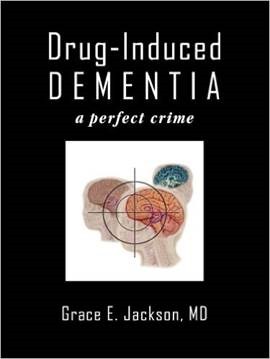
Drug-Induced Dementia IS NOT Alzheimer’s Disease
“The desire to take medicine is perhaps the greatest feature which distinguishes man from animals.” — Sir William Osler
“More than 50 conditions can cause or mimic the symptoms of dementia.” and “Alzheimer’s (can only be) distinguished from other dementias at autopsy.” — from a Harvard University Health Publication entitled What’s Causing Your Memory Loss? It Isn’t Necessarily Alzheimer’s
“Medications have now emerged as a major cause of mitochondrial damage, which may explain many adverse effects. All classes of psychotropic drugs have been documented to damage mitochondria, as have statin medications, analgesics such as acetaminophen, and many others…Damage to mitochondria is now understood to play a role in the pathogenesis of a wide range of seemingly unrelated disorders such as schizophrenia, bipolar disease, dementia, Alzheimer’s disease, epilepsy, migraine headaches, strokes, neuropathic pain, Parkinson’s disease, ataxia, transient ischemic attack, cardiomyopathy, coronary artery disease, chronic fatigue syndrome, fibromyalgia, retinitis pigmentosa, diabetes, hepatitis C, and primary biliary cirrhosis. Medications have now emerged as a major cause of mitochondrial damage, which may explain many adverse effects” — Neustadt and Pieczenik authors of Medication-induced Mitochondrial Damage and Disease
~~~~~~~~~~~~~~~~~~~~~~
Not so curiously, it turns out that many – perhaps all – of these campaigns have been funded – usually secretly – by the very pharmaceutical companies that benefit economically by indirectly promoting the sale of so-called Alzheimer’s drugs. Such corporate-generated public relations “campaigns” are standard operating procedure for all of Big Pharma’s drugs, especially its psycho-pharmaceutical drugs. Big Pharma has found that the promotion and de-stigmatization of so-called “mental illnesses of unknown etiology” is a great tool for marketing their drugs. (http://www.propublica.org/blog/item/health-advocacy-groups-take-drug-company-cashoften-without-full-disclosures)
Recently Alzheimer’s support groups all around the nation have been marketing a documentary about country singer Glen Campbell who has recently been diagnosed with Alzheimer’s disease (of unknown etiology) despite the obvious fact that Campbell was infamous for his chronic heavy use of brain-damaging, dementia-inducing, addictive, and very neurotoxic drugs like cocaine and alcohol.
And, just like so many other hard-living celebrities like the (now cured) dementia victim Kris Kristofferson and the suicidal and early dementia victim Robin Williams. All three celebrities were known to have received prescriptions for legal neurotoxic brain-altering drugs, adding to the burdens that their failing brains, livers and psyches had to endure. It is highly likely that all three of them were also on statins and were up-to-date on their mercury and aluminum-containing vaccinations.
It is an established fact that Alzheimer’s disease can only be definitively diagnosed at a post-mortem examination of the cerebral cortex, something that dementia patients are almost never subjected to. Because of the rarity of coroners doing autopsies on dementia patients, we have to question the accuracy of the diagnoses of, for example, the still living Glen Campbell, Kris Kristofferson and our own memory-impaired spouses, aunts, uncles, grandmas and grandpas, especially since so many of them have been on neurotoxic substances such as those mentioned in this article.
And we also have to question the motivations of the Big Pharma corporations that financially underwrite patient support groups like the Alzheimer’s Association. AND, equally importantly, given the total lack of recognition of the reality of drug-induced dementia, we have to question to oft-cited assertion that 2/3 of all dementia cases are because of Alzheimer’s disease (of unknown cause). ...
One of the big problems in America’s corporate-controlled culture, corporate-controlled government, corporate-controlled medical industries and corporate-controlled media is that the giant multinational (especially Big Pharma) corporations are in the business of developing and marketing known mitochondrial toxins with no oversight from regulatory agencies. These businesses obscure the fact that there ARE known causes for the disorders and that they are preventable. The unproven claims expressed in the TV commercials and medical journals advertising the newest drug-of-the-month are often later exposed as plain snake oil propaganda.
It should be a concern for everyone that some Alzheimer’s support groups are actually front groups for the pharmaceutical industry that profit handsomely from the handful of virtually useless drugs such as Aricept, Exelon, Namenda, Hexalon, and Razadyne.
An Honest Patient Guide for Dementia Patients (from Harvard)
I was pleasantly surprised recently to find a reasonably honest guide for dementia patients on a Harvard University website. (The entire guide can be accessed at http://www.helpguide.org/harvard/whats-causing-your-memory-loss.htm#top.)
The information at that site stated that there were over 50 conditions that could cause or mimic early dementia symptoms. What medical practitioner in our double-booked clinic environment has the time to thoroughly rule out the 50 root causes of dementia symptoms when confronted with a patient with memory loss? It’s simpler to just diagnose every case of dementia as another case of Alzheimers! Who will ever dispute such an authoritative-sounding diagnosis? Certainly not those who want to keep dementia from being recognized as a potentially iatrogenic disorder (doctor or treatment-caused disorder).
I have often said to my patients and seminar participants: “it takes only 2 minutes to write a prescription, but it takes 20 minutes to not write a prescription”. In the current for-profit clinic culture, time is money and very few physicians are ever given the “luxury” of spending sufficient time listening carefully to their patients. (In defense of the physicians that I know, they are not happy about these realities but feel powerless to do anything about it.)
It is so tempting for us physicians to use the popularized, but rather squishy label of Alzheimer’s dementia rather than to educate ourselves about the possibility of drug-induced, vaccine-induced or malnutrition-related dementia. But what is so important is that many of the 50+ conditions are preventable or reversible, which will be therapeutic only if the real root causes are identified before permanent brain damage occurs. Just one example was the subject of the book “Lipitor: Thief of Memory” written by former astronaut and flight surgeon Duane Graveline, M.D., M.P.H (for more information go to https://www.spacedoc.com/articles/lipitor-thief-of-memory.)
The Harvard guide actually said that:
The Harvard guide went on to emphasize that Alzheimer’s can only be accurately diagnosed on a post-mortem examination. The guide states that:
But even the Harvard guide inexplicably fails to mention known mitochondrial toxins such as statins, metformin, Depakote, general anesthetics, fluoroquinolone antibiotics (like Cipro), fluorinated psychotropic drugs (like many of the SSRIs and the so-called antipsychotics).
And Big Food corporations are guilty of feeding us neurotoxins also.
For example, when the ubiquitous synthetic food, soft drink and chewing gum sweetener NutraSweet (aspartame) reaches 86 degrees (whether in our 98.6 degree bodies or in some MidEast desert (as was true for many American soldiers who developed Gulf War Syndrome) every molecule releases a molecule of the excitotoxic amino acids phenylalanine and aspartic acid and one molecule of the cellular toxin methanol (wood alcohol). Methanol then rapidly metabolizes into the known mitochondrial poison formaldehyde (embalming fluid), which is a serious cellular and mitochondrial toxin.
The chlorinated artificial sweetener Splenda, which was initially developed as a neurotoxic pesticide, is in an uncountable variety of foods as well.
These examples are only some of the synthetic chemicals in medicines, vaccines and processed foods that are capable of causing mitochondrial damage in brain and body cells – with memory loss, confusion and cognitive dysfunction, all early symptoms of dementia.
It is a tragedy for reversible and preventable drug- or vaccine-induced dementias (or any of the many neurodegenerative disorders) to be mis-diagnosed as Alzheimer’s disease (or neurological disorder) “of unknown cause” because if the root causes are not recognized preventive care will not be offered. And then, what may be worse, those patients might be placed on costly, potentially toxic and often useless medications that have not been tested for their own potential mitochondrial toxicities. (Tragically, the American pharmaceutical industry is not required by the FDA to test its drugs for mitochondrial toxicity, thus leaving physicians and their drug-consuming patients in the dark as far as safety of those medications is concerned.)
There is much more in the basic neuroscience literature proving the connections between drugs and vaccines and neurodevelopmental disorders. Those basic neuroscience researchers that do not have conflicts of interest with Big Pharma and Big Medicine should be listened to. Those authors with monetary or professional conflicts of interest should be regarded with suspicion.
Don’t expect Big Pharma to respond to such unwelcome revelations as mentioned above. Don’t expect Big Medicine to acknowledge the existence of iatrogenic illnesses or to offer apologies.
Do, however, expect denials, dismissals, distractions, delays and ad hominem attacks against the whistle-blowers rather than honest mea culpas.
So it must be up to the consumers of potentially toxic substances to do the research themselves, for those substances may not show symptoms until a tipping point is reached when their livers can no longer detoxify the cocktail of poisons that are presented to it).
Professor of Medicine Oliver Wendell Holmes once said: “If all the medicine in the world were thrown into the sea, it would be bad for the fish, but good for humanity.”
Enough said.
________________________________________________________________
Dr Kohls has spent many years researching the powerful, obscenely profitable and therefore easily corrupted pharmaceutical industry and the many false claims that their lobbyists, think tanks and co-opted opinion leaders in the media have been making. He knows many families whose lives have been devastated by psychiatric drug and vaccine injuries, including the post-vaccination regressive autism that unequivocally began following routine well-baby or well-child vaccinations. He takes seriously the precepts of the Hippocratic Oath that he took when he received his medical degree. That oath says that physicians should above all do no harm to their patients and thus, when there is evidence of potential harm from a prescription drug, vaccine or procedure, physicians should hesitate in doing that harmful treatment until a thorough, unbiased re-evaluation is done.
Full Article & Source:
Drug-Induced Dementia IS NOT Alzheimer’s Disease
“More than 50 conditions can cause or mimic the symptoms of dementia.” and “Alzheimer’s (can only be) distinguished from other dementias at autopsy.” — from a Harvard University Health Publication entitled What’s Causing Your Memory Loss? It Isn’t Necessarily Alzheimer’s“Medications have now emerged as a major cause of mitochondrial damage, which may explain many adverse effects. All classes of psychotropic drugs have been documented to damage mitochondria, as have statin medications, analgesics such as acetaminophen, and many others…Damage to mitochondria is now understood to play a role in the pathogenesis of a wide range of seemingly unrelated disorders such as schizophrenia, bipolar disease, dementia, Alzheimer’s disease, epilepsy, migraine headaches, strokes, neuropathic pain, Parkinson’s disease, ataxia, transient ischemic attack, cardiomyopathy, coronary artery disease, chronic fatigue syndrome, fibromyalgia, retinitis pigmentosa, diabetes, hepatitis C, and primary biliary cirrhosis. Medications have now emerged as a major cause of mitochondrial damage, which may explain many adverse effects” — Neustadt and Pieczenik authors of Medication-induced Mitochondrial Damage and Disease
~~~~~~~~~~~~~~~~~~~~~~
“Establishing mitochondrial toxicity is not an FDA requirement for drug approval, so there is no real way of knowing which agents are truly toxic.” – Dr. Katherine Sims, Mass General Hospital – http://www.mitoaction.org
“It is difficult to get a man to understand something, when his salary depends upon his not understanding it!” – Upton Sinclair, anti-fascist, anti-imperialist American author who wrote in the early 20th century.
“No vaccine manufacturer shall be liable…for damages arising from a vaccine-related injury or death.” – President Ronald Reagan, as he signed The National Childhood Vaccine Injury Act (NCVIA) of 1986, absolving drug companies from all medico-legal liability when children die or are disabled from vaccine injuries.Over the past several decades there have been a number of well-financed campaigns, promoted by well-meaning laypersons, to raise public awareness to the plight of patients with dementia. Suspiciously, most of these campaigns come from “patient support” groups lead the public to believe that every dementia patient has Alzheimer’s dementia (AD)
Not so curiously, it turns out that many – perhaps all – of these campaigns have been funded – usually secretly – by the very pharmaceutical companies that benefit economically by indirectly promoting the sale of so-called Alzheimer’s drugs. Such corporate-generated public relations “campaigns” are standard operating procedure for all of Big Pharma’s drugs, especially its psycho-pharmaceutical drugs. Big Pharma has found that the promotion and de-stigmatization of so-called “mental illnesses of unknown etiology” is a great tool for marketing their drugs. (http://www.propublica.org/blog/item/health-advocacy-groups-take-drug-company-cashoften-without-full-disclosures)
Recently Alzheimer’s support groups all around the nation have been marketing a documentary about country singer Glen Campbell who has recently been diagnosed with Alzheimer’s disease (of unknown etiology) despite the obvious fact that Campbell was infamous for his chronic heavy use of brain-damaging, dementia-inducing, addictive, and very neurotoxic drugs like cocaine and alcohol.
And, just like so many other hard-living celebrities like the (now cured) dementia victim Kris Kristofferson and the suicidal and early dementia victim Robin Williams. All three celebrities were known to have received prescriptions for legal neurotoxic brain-altering drugs, adding to the burdens that their failing brains, livers and psyches had to endure. It is highly likely that all three of them were also on statins and were up-to-date on their mercury and aluminum-containing vaccinations.
It is an established fact that Alzheimer’s disease can only be definitively diagnosed at a post-mortem examination of the cerebral cortex, something that dementia patients are almost never subjected to. Because of the rarity of coroners doing autopsies on dementia patients, we have to question the accuracy of the diagnoses of, for example, the still living Glen Campbell, Kris Kristofferson and our own memory-impaired spouses, aunts, uncles, grandmas and grandpas, especially since so many of them have been on neurotoxic substances such as those mentioned in this article.
And we also have to question the motivations of the Big Pharma corporations that financially underwrite patient support groups like the Alzheimer’s Association. AND, equally importantly, given the total lack of recognition of the reality of drug-induced dementia, we have to question to oft-cited assertion that 2/3 of all dementia cases are because of Alzheimer’s disease (of unknown cause). ...
One of the big problems in America’s corporate-controlled culture, corporate-controlled government, corporate-controlled medical industries and corporate-controlled media is that the giant multinational (especially Big Pharma) corporations are in the business of developing and marketing known mitochondrial toxins with no oversight from regulatory agencies. These businesses obscure the fact that there ARE known causes for the disorders and that they are preventable. The unproven claims expressed in the TV commercials and medical journals advertising the newest drug-of-the-month are often later exposed as plain snake oil propaganda.
It should be a concern for everyone that some Alzheimer’s support groups are actually front groups for the pharmaceutical industry that profit handsomely from the handful of virtually useless drugs such as Aricept, Exelon, Namenda, Hexalon, and Razadyne.
An Honest Patient Guide for Dementia Patients (from Harvard)
I was pleasantly surprised recently to find a reasonably honest guide for dementia patients on a Harvard University website. (The entire guide can be accessed at http://www.helpguide.org/harvard/whats-causing-your-memory-loss.htm#top.)
The information at that site stated that there were over 50 conditions that could cause or mimic early dementia symptoms. What medical practitioner in our double-booked clinic environment has the time to thoroughly rule out the 50 root causes of dementia symptoms when confronted with a patient with memory loss? It’s simpler to just diagnose every case of dementia as another case of Alzheimers! Who will ever dispute such an authoritative-sounding diagnosis? Certainly not those who want to keep dementia from being recognized as a potentially iatrogenic disorder (doctor or treatment-caused disorder).
I have often said to my patients and seminar participants: “it takes only 2 minutes to write a prescription, but it takes 20 minutes to not write a prescription”. In the current for-profit clinic culture, time is money and very few physicians are ever given the “luxury” of spending sufficient time listening carefully to their patients. (In defense of the physicians that I know, they are not happy about these realities but feel powerless to do anything about it.)
It is so tempting for us physicians to use the popularized, but rather squishy label of Alzheimer’s dementia rather than to educate ourselves about the possibility of drug-induced, vaccine-induced or malnutrition-related dementia. But what is so important is that many of the 50+ conditions are preventable or reversible, which will be therapeutic only if the real root causes are identified before permanent brain damage occurs. Just one example was the subject of the book “Lipitor: Thief of Memory” written by former astronaut and flight surgeon Duane Graveline, M.D., M.P.H (for more information go to https://www.spacedoc.com/articles/lipitor-thief-of-memory.)
The Harvard guide actually said that:
“medications are common culprits in mental decline. With aging, the liver becomes less efficient at metabolizing drugs, and the kidneys eliminate them from the body more slowly. As a result, drugs tend to accumulate in the body. Elderly people in poor health and those taking several different medications are especially vulnerable.”The guide continued with a list of the possible classes of prescription drugs that number in the hundreds:
“The list of drugs that can cause dementia-like symptoms is long. It includes antidepressants, antihistamines, anti-Parkinson drugs, anti-anxiety medications, cardiovascular drugs, anticonvulsants, corticosteroids, narcotics, sedatives.”
The Harvard guide went on to emphasize that Alzheimer’s can only be accurately diagnosed on a post-mortem examination. The guide states that:
“Alzheimer’s is distinguished from other dementias at autopsy by the presence of sticky beta-amyloid plaques outside brain cells (neurons) and fibrillary tangles within neurons (all indicative of cellular death). Although such lesions may be present in any aging brain, in people with Alzheimer’s these lesions tend to be more numerous and accumulate in areas of the brain involved in learning and memory.”
“The leading theory is that the damage to the brain results from inflammation and other biological changes that cause synaptic loss and malfunction, disrupting communication between brain cells. Eventually the brain cells die, causing tissue loss and cell carcasses or scars. In imaging scans, brain shrinkage is usually first noticeable in the hippocampus, which plays a central role in memory function.”The FDA Does Not Require Big Pharma to Test its New Drugs or Vaccines for Mitochondrial Toxicity
But even the Harvard guide inexplicably fails to mention known mitochondrial toxins such as statins, metformin, Depakote, general anesthetics, fluoroquinolone antibiotics (like Cipro), fluorinated psychotropic drugs (like many of the SSRIs and the so-called antipsychotics).
And Big Food corporations are guilty of feeding us neurotoxins also.
For example, when the ubiquitous synthetic food, soft drink and chewing gum sweetener NutraSweet (aspartame) reaches 86 degrees (whether in our 98.6 degree bodies or in some MidEast desert (as was true for many American soldiers who developed Gulf War Syndrome) every molecule releases a molecule of the excitotoxic amino acids phenylalanine and aspartic acid and one molecule of the cellular toxin methanol (wood alcohol). Methanol then rapidly metabolizes into the known mitochondrial poison formaldehyde (embalming fluid), which is a serious cellular and mitochondrial toxin.
The chlorinated artificial sweetener Splenda, which was initially developed as a neurotoxic pesticide, is in an uncountable variety of foods as well.
These examples are only some of the synthetic chemicals in medicines, vaccines and processed foods that are capable of causing mitochondrial damage in brain and body cells – with memory loss, confusion and cognitive dysfunction, all early symptoms of dementia.
It is a tragedy for reversible and preventable drug- or vaccine-induced dementias (or any of the many neurodegenerative disorders) to be mis-diagnosed as Alzheimer’s disease (or neurological disorder) “of unknown cause” because if the root causes are not recognized preventive care will not be offered. And then, what may be worse, those patients might be placed on costly, potentially toxic and often useless medications that have not been tested for their own potential mitochondrial toxicities. (Tragically, the American pharmaceutical industry is not required by the FDA to test its drugs for mitochondrial toxicity, thus leaving physicians and their drug-consuming patients in the dark as far as safety of those medications is concerned.)
There is much more in the basic neuroscience literature proving the connections between drugs and vaccines and neurodevelopmental disorders. Those basic neuroscience researchers that do not have conflicts of interest with Big Pharma and Big Medicine should be listened to. Those authors with monetary or professional conflicts of interest should be regarded with suspicion.
Don’t expect Big Pharma to respond to such unwelcome revelations as mentioned above. Don’t expect Big Medicine to acknowledge the existence of iatrogenic illnesses or to offer apologies.
Do, however, expect denials, dismissals, distractions, delays and ad hominem attacks against the whistle-blowers rather than honest mea culpas.
So it must be up to the consumers of potentially toxic substances to do the research themselves, for those substances may not show symptoms until a tipping point is reached when their livers can no longer detoxify the cocktail of poisons that are presented to it).
Professor of Medicine Oliver Wendell Holmes once said: “If all the medicine in the world were thrown into the sea, it would be bad for the fish, but good for humanity.”
Enough said.
________________________________________________________________
Dr Kohls has spent many years researching the powerful, obscenely profitable and therefore easily corrupted pharmaceutical industry and the many false claims that their lobbyists, think tanks and co-opted opinion leaders in the media have been making. He knows many families whose lives have been devastated by psychiatric drug and vaccine injuries, including the post-vaccination regressive autism that unequivocally began following routine well-baby or well-child vaccinations. He takes seriously the precepts of the Hippocratic Oath that he took when he received his medical degree. That oath says that physicians should above all do no harm to their patients and thus, when there is evidence of potential harm from a prescription drug, vaccine or procedure, physicians should hesitate in doing that harmful treatment until a thorough, unbiased re-evaluation is done.
Full Article & Source:
Drug-Induced Dementia IS NOT Alzheimer’s Disease
Subscribe to:
Posts (Atom)