Showing posts with label Research. Show all posts

Thursday, July 3, 2025

As wave of dementia cases looms, Law School looks to preserve elders’ rights

Academic experts seek improvements that could protect decision-making authority and autonomy

An estimated 42 percent of Americans over the age of 55 will eventually develop dementia, and as the U.S. population ages, the number of new dementia cases per year is expected to double by 2060. The demographic shift promises to increase the pressure on already-strained healthcare systems and caregivers.

It’s also a challenge for the law. 

At a conference hosted by the Petrie-Flom Center for Health Law Policy, Biotechnology, and Bioethics at Harvard Law School last month, researchers from multiple disciplines, both from across Harvard and from other universities, explored how current laws too often strip decision-making authority from older adults, and what improvements could help those older adults keep more of their autonomy as their capacities decline. 

Not all older adults experience cognitive decline, and not all cognitive decline looks the same.

Duke Han, University of Southern California

Not all older adults experience cognitive decline, and not all cognitive decline looks the same, said Duke Han, professor of psychology, family medicine, neurology, and gerontology at the University of Southern California. For example, the entorhinal cortex, which mediates between parts of the brain responsible for drawing on experiences and for values-based decision-making, is often one of the first parts of the brain to be affected in Alzheimer’s disease. Researchers at Han’s lab recently found that people with thinning in that region are likelier to fall victim to financial scams. It’s a finding that could help explain why someone might function well in most areas of life while requiring decision-making support with their finances. 

The more physically frail an older adult is, the likelier they are to report financial exploitation, Han said. But family and friends can safeguard against those trends. “Social connectedness is important, but it’s not just how many connections someone has,” he said. “In our most recently published paper, we found that it’s really the depth of connection socially that someone has that seems to be protective in this regard.”

The law has traditionally taken a binary approach to decision-making capacity: Either you have it or you don’t, and those who don’t have been labeled incapacitated, incompetent, or insane in some states. 

“Current state statutes, which include living wills or advance directives, powers of attorney for healthcare, powers of attorney for financial matters, supported decision-making, default surrogate decision-making statutes … These just don’t fit individualized circumstances very well. We call them one-size-fits-all,” said Leslie Francis, Alfred C. Emery Distinguished Professor of Law and Distinguished Professor of Philosophy at the University of Utah. 

Often, the law has focused on transferring rights and protections to family members or other representatives who make decisions for those deemed unfit. But that approach can sideline the preferences and values of the older adults themselves, who may still have capacities to manage some or most of their own affairs. 
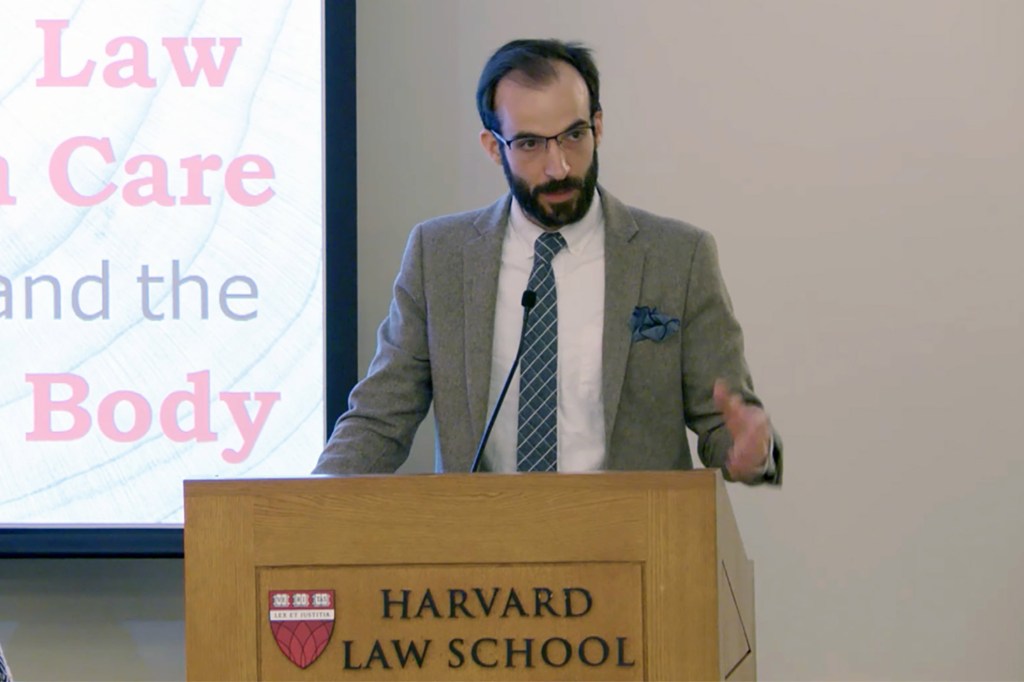
Hezzy Smith
Hezzy Smith, director of advocacy initiatives at the Harvard Law School Project on Disability.

A 2023 piece of model legislation from the American Bar Association, the New Uniform Health Care Decisions Act, would move states in the direction of autonomy for those with cognitive decline. It includes a model form written in plain language that allows individuals not only to indicate specific types of care they do or do not want, but also to identify goals and values they wish to guide future healthcare decisions, reflecting the deeply personal realities of aging. 

To date, only two states — Delaware and Utah — have adopted the New Uniform Health Care Decisions Act. But an international body may soon offer its own guidance for protecting the rights of older adults. In April 2025, the United Nations Human Rights Council passed a resolution to start negotiations for a new human rights treaty for older persons. 

Hezzy Smith, director of advocacy initiatives at the Harvard Law School Project on Disability, said the U.N.’s treaty would build on the agency’s Convention on the Rights of Persons with Disabilities. Smith said the U.N. committee charged with monitoring the convention’s implementation “has made very clear that people with disabilities have been subject to egregious human rights violations as a result of legal capacity restrictions, and it made it very clear that, from a human rights perspective for the committee, states will have to do wholesale transformations of their substituted decision-making regimes in their home countries in order to usher in … regimes of supported decision-making. They rejected the notion that there are haves and have-nots with regard to legal capacity.”

Smith said U.N. member states might take a different approach for older adults, potentially prioritizing positive outcomes over optimizing for maximal rights preservation — a distinction that could shape how the international community balances autonomy with protections for aging populations. 

Other Harvard speakers at the conference were I. Glenn Cohen, Petrie-Flom Center faculty director, James A. Attwood and Leslie Williams Professor of Law, and deputy dean of HLS; Susannah Baruch, executive director of the Petrie-Flom Center; Michael Ashley Stein, visiting professor at HLS and executive director of the HLS Project on Disability; Francis X. Shen, professor of law at the University of Minnesota and member of the Harvard Medical School Center for Bioethics; Abeer Malik, Petrie-Flom Center student fellow; and Diana Freed, assistant professor of computer and data science at Brown University and a visiting researcher at the Petrie-Flom Center.

Full Article & Source:
As wave of dementia cases looms, Law School looks to preserve elders’ rights 

Sunday, March 23, 2025

The Successes and Challenges of Navigating Company Websites to Report Fraud

By Alicia R. Williams, AARP Research 

Imposter scams are on the rise, with criminals posing as representatives of businesses, government agencies, and nonprofits to steal personal information and money.  According to the Federal Trade Commission (FTC), business and government imposter scams were the most reported form of imposter scams in 2023, resulting in over $1.1 billion in losses.


This research report reveals the following:

  • Over the past three years, approximately one in eight adults (around 40 million individuals) have attempted to report an imposter scam they experienced to the impersonated company via its website.
  • Banks and credit unions were the most contacted (44 percent), followed by online retail stores (29 percent).
  • More than half (55 percent) of adults found it easy to navigate to the fraud reporting section on the company website to report their experience of imposter fraud. However, about a third faced difficulties, and 10 percent were unable to find the reporting location at all.
  • A majority (58 percent) successfully reported their fraud experience on the website, with most (56 percent) not needing to log in. As a result, 80 percent felt very or moderately satisfied with their website experience.

The report highlights several important considerations for businesses to improve their fraud reporting mechanisms:

  • User-Friendly Design: Websites should be easy to navigate with clear instructions on how to report fraud.
  • Accessible Reporting Tools: Businesses should provide dedicated forms, hotlines, and prominently displayed email addresses for fraud reporting.
  • Regulatory Compliance: Adherence to regulations like the Bank Secrecy Act (BSA) and the Gramm-Leach-Bliley Act (GLBA) is crucial for safeguarding sensitive data and detecting suspicious activities.
  • Customer Education: Informing customers about common fraud schemes and how to protect themselves through FAQs, tutorials, and alerts about recent fraud trends is beneficial.

Methodology

This national omnibus survey was conducted from July 25, 2024, through July 29, 2024, among a sample of n=1,102 adults age 18-plus, using NORC’s AmeriSpeak probability-based sample of pre-recruited panel participants. The data are weighted to the latest Current Population Survey (CPS) benchmarks developed by the U.S. Census Bureau and are balanced by gender, age, education, race/ethnicity, and region.

For more information, please contact Alicia R. Williams at arwilliams@aarp.org. For media inquiries, contact External Relations at media@aarp.org.

The search metadata was created with the assistance of Copilot and has been reviewed for accuracy and appropriateness.

Suggested citation:

Williams, Alicia R. Navigating Company Websites to Report Fraud. Washington, DC: AARP Research, March 2025. https://doi.org/10.26419/res.00878.001

Full Article & Source:
The Successes and Challenges of Navigating Company Websites to Report Fraud

Thursday, November 7, 2024

Abdicated Authority: How We Fail Conservatees

Author(s): Nicolas Badre, MD,Alex V. Barnard, PhD 

Key Takeaways

  • California's homelessness crisis and misuse of conservatorship highlight the complexities of involuntary psychiatric care, with recent legislative efforts expanding treatment criteria.
  • The debate on involuntary treatment focuses on balancing life-saving care and civil liberties, with both sides agreeing on the importance of law application over wording.
SHOW MORE

How can we ensure an accountable, effective, and limited conservatorship system? Here are some actionable concepts.

justice

BillionPhotos.com/AdobeStock

States began reforming their laws on involuntary mental health treatment to put an end to indefinite commitments 70 years ago, yet there is still no consensus on when involuntary treatment works, for whom, and to what it is needed. The binary debate on the necessity or harm of involuntary treatment has often overshadowed pragmatic solutions. Here we focus on actionable concepts that involve a greater role for government in ensuring an accountable, effective, and limited conservatorship system.

California encapsulates many aspects of the broad debate concerning involuntary psychiatric care. The state faces a significant homelessness crisis, characterized by political desires to utilize mental health services to address the perceived nuisance of homeless individuals, particularly those using substances in public. It is also notorious for controversies surrounding the misuse of conservatorship to restrict liberties, as highlighted by the high-profile case of Britney Spears,1 and farther back by the case of Brian Wilson.2

In recent years, the state has moved aggressively to expand the use of involuntary treatment. As Governor Gavin Newsom declared, “We know what it takes to help people with mental illness out of the shadows and out of encampments—housing and treatment. It’s time to go big and reform the system.”3 This vision is exemplified by Senate Bill 43 in 2023, which made substance use disorders eligible for conservatorship and expanded the definition of “grave disability”—the key criterion for conservatorship—to include an inability to provide for personal safety and medical care (alongside food, clothing, and shelter).

Diagnosing the Problem

Proponents of expanding involuntary treatment argue that it provides life-saving care for individuals who are unable or unwilling to consent to treatment, and who might otherwise wind up incarcerated, homeless, or dead. Opponents argue that forced treatment is traumatic and that the needs of individuals with serious mental illnesses are best met through voluntary services, independent housing, and peer supports. Both sides of this debate, however, seem to agree that the specific wording and structure of commitment laws is impactful and worth fighting over.

We argue that problems in the current conservatorship system are more related to implementation than the wording of the law. The landmark Supreme Court decision in O'Connor v Donaldson (1975) established that the state “cannot confine a non-dangerous individual who is capable of surviving safely by himself or with the help family or friends.”4 Yet law enforcement, inpatient psychiatrists, judges, and public guardians define “grave disability” differently.

Emphasis should be placed on the consistent and fair application of current laws. Multiple attempts at changing conservatorship laws in California have had little impact. The vehement debates about precise wording of involuntary laws are less important than how they are applied by stakeholders, “you would be hard-pressed to find anything resembling a strategy for how judges, clinicians, or bureaucrats should be using the law as written.”5

Each of the actors involved in the continuum of conservatorship can effectively block someone from advancing on the pathway to the conservatorship, none of them can ensure that a person who needs it gets it or ensure that other actors deliver quality care. Furthermore, the fragmentation hinders adequate evidence to be disseminated rendering each participant with inadequate information to evaluate the need for conservatorship.

While conservatees are legally required to be in the least restrictive setting, many linger inappropriately in locked facilities because step-down programs are mostly private and screen out those with criminal justice history, substance use, or comorbid medical issues.

Because of a lack of state guidance or evaluation, there are no clear outcome measures for conservatorship, meaning that conservatees in some counties of the state rapidly cycle on and off conservatorship while others are left on conservatorship, with the important civil liberties restrictions it entails, for life. These problems stem not from commitment laws but the way the state has effectively “abdicated authority” over them: declining to use its regulatory and financial levers to provide direction to the conservatorship system.

Proposals for Improvement

Data Collection

While both sides agree the current system is dysfunctional, we lack the basic data needed to assess the nature and scale of that dysfunction. Lee and Cohen highlighted significant limitations in the reporting of civil commitment across the United States, finding that only 25 states offered a publicly-available count. As they point out “without accurate incidence estimates, links to potentially contributing and consequent factors of civil commitment cannot be reliably assessed.”6 It is antithetical to science to discuss the necessity of more or less civil commitment without knowing how much civil commitment is currently being performed and for what reasons. An absence of baseline data also makes it impossible to assess whether changes to commitment laws actually change the number of commitments, much less improve outcomes.

Oversight Enhancement

Clinicians often resist oversight, fearing their expertise and morality are under scrutiny. Clinicians in California are familiar with vigorous public defenders representing clients in conservatorship hearings who challenge their diagnosis, the veracity of hearsay from family members, and the treatment team's ability to predict the future. However, oversight could encompass various aspects that benefit both providers and the people they serve, such as:

  • Providing training and guidelines to ensure that the multiple actors in the conservatorship system (physicians, law enforcement, judges, public guardians) define criteria in a way consistent with evidence about who is most likely to benefit from conservatorship.
  • Ensuring that local mental health departments provide adequate reimbursement to ensure that mandated services are available for individuals under conservatorship. Without such measures, private hospitals are deincentivized to adequately treat individuals.
  • Counterbalancing reimbursement, for-profit programs must be overseen to curb excess on the inappropriate use of involuntary programs. Recent reporting shows how major hospital chains twist criteria to extend inpatient stays.7
  • Safeguarding against for-profit programs selecting only the most cost-efficient admission by creating requirements of admission or providing a safety net of public institutions.

When California closed its Department of Mental Health in 2012, it left a significant oversight void that remains unaddressed. The state needs to have dedicated leadership specifically focused on regulating the conservatorship system.

Funding for Appropriate Placements

Contrary to popular folklore, California has a high rate of involuntary treatment—nearly 500 involuntary holds per 100,000 annually compared to less than 200 in Texas,6 or European countries like France and England.8 Despite this, the state only had about 5000 conservatorships in 2018,9 compared with over 100,000 individuals on emergency holds that year. The real bottleneck is not the availability of acute psychiatric beds, then, but placements afterwards. Locked, sub-acute mental health rehabilitation centers are in such high demand that they can afford to be selective, leaving many patients without placement options. Patients are thus subjected to either inappropriate, long-term hospital stays or discharged rapidly, contributing to the revolving door phenomenon. Focusing investments to ensure patients can step down to less restrictive levels of care can avoid both the expense and civil liberties concerns of expanding inpatient placements.

Concluding Thoughts

Seventy years ago, societal measures led to the closure of state hospitals and a shift in the care of individuals with severe mental illness. Today’s system relies heavily on short-term involuntary holds without effectively transferring patients to lower levels of care, resulting in high readmission rates. The current fragmented, complicated, and unregulated system fails to achieve the goals of both proponents and opponents of involuntary treatment. In other domains, like corrections, such poor data and oversight would be deemed unacceptable. Ultimately, the states have failed to fulfill their roles by “abdicating their authority” and leaving implementation up to individual courts, hospitals, and clinicians. Effective measures to increase accountability would benefit both sides of the debate on involuntary care.

Dr Badre is a clinical and forensic psychiatrist in San Diego. He teaches medical education, psychopharmacology, ethics in psychiatry, and correctional care. Dr Badre can be reached at his website, BadreMD.com. Dr Barnard is an assistant professor of sociology at New York University. His research examines decision-making in public mental health care in France and the United States.


Full Article & Source:
Abdicated Authority: How We Fail Conservatees

Saturday, October 26, 2024

Bad habits that raise your risk for dementia

New research shows there are some surprising bad habits that may increase your risk of getting dementia.

By Ivanhoe Newswire

ORLANDO, Fla. (Ivanhoe Newswire) - Every three seconds, someone in the world develops dementia. Currently, there are more than 55 million people living with dementia worldwide, and that number is expected to double every 20 years.

Now new research shows there are some surprising bad habits that may increase your risk of getting dementia.

Did you know sitting for long periods of time at work or home doesn’t just increase your risk for obesity, heart disease and diabetes, but it can also raise your risk for dementia? Researchers at UCLA found sitting for at least 12 hours a day increases your risk by 63%.

“The data’s pretty solid that physical activity and exercise helps maintain brain health,” said Glenn Smith, PhD, clinical neuropsychologist at the University of Florida.

Poor oral hygiene is also a factor. A study looked at 144 participants in Milwaukee and found severe tooth loss increased their dementia risk six times more than people who lost fewer teeth.

“We all know that the mouth is the gateway to the rest of the body. So, if we can clean our mouths properly, we can certainly have a tremendous effect, not only in dentistry, but also in overall health,” said Lawrence Hier, DDS, MS orthodontist and inventor of PlaqueHD.

Other bad habits include not getting seven to nine hours of sleep per night, drinking too much alcohol, and isolating yourself.

“The effect of social isolation and loneliness on our health is as powerful as things like smoking, high blood pressure, obesity,” said Richard S. Schwartz, MD psychiatrist.

So, get some shut eye, drink in moderation and call a friend to keep your brain in tip top shape.

Skipping vaccines could also increase your dementia risk. A study found those over 65 who got a flu shot lowered their risk for Alzheimer’s, a common form of dementia, by 40% and those who got a pneumonia vaccine were 30% less likely to develop dementia.

Contributors to this news report include: Milvionne Chery, Producer; Chuck Bennethum, Editor.

Full Article & Source:
Bad habits that raise your risk for dementia

Sunday, October 6, 2024

Call for US government to better protect the elderly

By Dr. Tim Sandle 


A researcher is pushing ahead for a new policy framework to help the aging population in the U.S. This includes providing additional state support and preventing societal abuse of older people.

The director of the Center for Gerontology and professor of human development and human science, Pamela Teaster has advocated for older adults and vulnerable populations, ensuring that they are protected from abuse by those around them, for more than 20 years.

In 2023 Teaster began a new aspect of this work as a part of the Health and Aging Policy Fellowship, a competitive year-long national programme based in Washington, D.C.  

Fellows are selected each year through a national competition based on their commitment to health and aging issues, leadership potential, and interest in impacting policy. Teaster was chosen as a 2023-24 non-residential fellow — meaning she is not located in Washington, D.C. — and has been placed with the Administration for Community Living. Teaster will be working with the administration through September and will make occasional trips to the capital as needed.

Teaster’s work comes at a time when the population of U.S. citizens aged 65 and older is growing rapidly and the various abuses of the population are very high.

According to the National Council on Aging, up to 5 million older people are abused every year and the annual loss by victims of financial abuse is estimated to be at least $36.5 billion. Elder abuse includes physical, sexual, and emotional abuse; exploitation; neglect; and abandonment.

Teaster’s work in this area began in 1997. She has conducted extensive research on elder abuse and policy, authored seven books and hundreds of peer-reviewed articles, reports, and book chapters while also playing a significant role in creating legislation for public guardianship programs in Virginia. 

Teaster’s ongoing research focuses on several areas, including the mistreatment of older adults and vulnerable populations, end-of-life decision-making, public policy and affairs, ethical treatment, human rights issues, financial exploitation, and public and private guardianship. 

Throughout the new fellowship, Teaster hopes to gain a deeper understanding of policies as they are applied to various contexts along with learning better methods to develop and implement programs and policies that are beneficial to elderly and vulnerable populations.  

Tuesday, July 30, 2024

DU Expands Efforts to Protect Older Adults From Financial Fraud

by Connor Mokrzycki


Older Americans are at high risk for financial fraud, losing more than $20 billion annually, according to a 2023 report from AARP. To help protect this vulnerable population in the state of Colorado, the Paul Freeman Financial Security Program (PFFSP) in DU’s Knoebel Institute for Healthy Aging formed a coalition in 2023, thanks to support from the federally funded National Center for State and Tribal Elder Justice Coalitions.

The coalition is an interdisciplinary group made up of state and local agencies, elder advocacy organizations and DU researchers whose goal is to evaluate the complex issues related to elder financial fraud and develop possible solutions for prevention. The PFFSP team is tasked with building the coalition, developing tools and trainings for frontline workers, and creating a central hub for information and resources.

In April, the coalition held their inaugural meeting and announced an expanded collaboration with the Colorado Department of Regulatory Agencies (DORA), the top consumer protection agency in the state. DORA’s Financial Engagement Unit joins other members including the Office of Governor Jared Polis, the offices of the state and Denver district attorneys, the Colorado Office of Financial Empowerment, AARP ElderWatch and AgeWise Colorado.       

Eric Chess, clinical professor and director of PFFSP, says the massive amount of money lost to exploitation is just the tip of the iceberg. “When people lose money, it affects their emotional health, their mental health, their cognitive health and entire well-being,” he says. “This includes worsening chronic diseases and symptoms that you see in the doctor's office.” 

At the root of the problem is the little-understood connection between health and finances, which can turn into a vicious cycle, Chess says. “The first signs of clinical cognitive impairment are often seen in impaired financial decision making, which leaves individuals at an increased risk of exploitation or fraud—which in turn can worsen cognitive health.” 

PFFSP aims to highlight the importance of understanding this connection as they develop frameworks and tools to protect and improve mental, physical and financial health of people as they age.

However, Chess notes, the issue is a concern not just for older adults. “Older adults get taken for more money—often because they have more money—and they also have less ability to recover from financial loss than younger folks. But it's also under-appreciated that younger adults actually get taken advantage of more often, just for lesser amounts.” What’s more, “The older adults of tomorrow are today's kids. So, if you're really going to tackle all these issues, you have to look at it throughout the life spectrum.”

Chess and his team are also developing a financial vulnerability scale that would alert individuals when they are vulnerable to financial exploitation and, crucially, provide detailed insight into why. 

“A key issue is that people are vulnerable for different reasons—it can be from a social standpoint, a behavioral standpoint, or a cognitive standpoint. There are a lot of different areas of vulnerability—and it's necessary to have (multidisciplinary) expertise be part of building the scale.”

Bringing policymakers, government agencies and, in particular, frontline workers into the conversation is crucial to successfully develop and implement any solution to combat financial fraud and abuse. “They have to be part of this equation,” Chess says. “You cannot try to create academic solutions and then impose them on the community and the people who are doing the work.”

Full Article & Source:
DU Expands Efforts to Protect Older Adults From Financial Fraud

Thursday, July 11, 2024

Study Links Credit Scores and Alzheimer’s Disease in Seniors

Missing numerous bill payments can damage a person’s credit score. But they could also signal a much bigger problem: damage to the brain from Alzheimer’s disease.

Families often miss the early warning signs of Alzheimer’s in a loved one. Symptoms may not start to show until the disease has progressed to later stages, at which point early intervention treatments are less effective and the financial consequences can be greater.

But a new study suggests that, for older adults, a credit score decline could signal cognitive decline. It adds to a growing body of research that links money problems to dementia.

Catching Alzheimer’s early is crucial from the standpoint of mental capacity, elder care, and estate planning.

Financial Deficits Mirror Memory Deficits in New Study

Credit scores start to go down and payment delinquencies start to go up in the years preceding a memory disorder diagnosis, according to new research published by the Federal Reserve Bank of New York.

Led by Georgetown University and supported by the National Institute on Aging, the study (“The Financial Consequences of Undiagnosed Memory Disorders”) found that, in the period leading up to a diagnosis of Alzheimer’s disease and related disorders (ADRD), credit outcomes noticeably deteriorate.

The researchers looked at credit card and mortgage payment histories from Equifax merged with Medicare data. Among patients diagnosed with ADRD, an increase in missed credit card payments began more than five years prior to diagnosis, while mortgage delinquency started three years prior.

Lead researcher Carole Roan Gresenz called the results “striking in their clarity and consistency.”

“Credit scores consistently decline, quarter by quarter, and probability of delinquency consistently increases as diagnosis approaches,” said Gresenz. “Our findings substantiate the possible utility of credit reporting data for facilitating early identification of those at risk for memory disorders.”

Finances Can Help to Catch Alzheimer’s Before It’s Too Late

It is becoming increasingly clear that financial missteps like missing routine bill payments could be an early predictor of Alzheimer’s that helps to detect the disease before major memory problems are apparent.

Georgetown’s Gresenz published research in 2019 that similarly showed compromised decision-making in money management can predict an Alzheimer’s diagnosis.

“Significant limitations and rapid declines in financial capacity are a hallmark of patients with early-stage Alzheimer's disease,” the abstract for that paper states.

In 2020, Johns Hopkins researchers released a study that discovered Medicare recipients later diagnosed with dementia are more likely to miss bill payments up to six years before a clinical diagnosis.

Alzheimer’s affects an estimated 6 million Americans, most of them age 65 or older. It remains the top cause of dementia in older adults and the seventh leading cause of death in the United States.

The results can be devastating as the disease progressively destroys memory and functional skills. But its exact cause is unknown, and diagnosis is notoriously challenging in the initial stages.

Money matters may be a leading indicator of Alzheimer’s because financial management is cognitively challenging, a specialist in geriatrics and memory care at UPenn told KFF Health News.

Even mild cognitive impairment can lead to financial issues when there are generally no other signs that a person is developing Alzheimer’s. In fact, financial problems are a common reason why loved ones are initially screened for dementia.

But by then, it might already be too late to avoid major money mistakes. For example, one Pennsylvania Alzheimer’s sufferer had her home foreclosed on due to missed mortgage payments. Her daughter only realized how bad her mother’s memory had gotten when she noticed abnormalities such as unpaid bills and strange cash withdrawals.

Unopened and unpaid bills, money missing from a bank account, difficulty balancing accounts, and new, unexpected purchases are some of the money-related signs that should be monitored in people who have dementia or may be developing Alzheimer’s, according to the National Institute on Aging.

Missed payments could be a sign that an older adult is developing Alzheimer’s. Stay on top of their credit reports and reach out to a local elder law attorney if you need legal advice about how to protect them.

The Importance of Early Alzheimer’s Detection

Many Alzheimer’s cases are not caught until they’re in the middle and late stages. But early detection, which may be easier if family members are paying close attention to an aging loved one’s bank statements and financial records, can help to stave off the worst consequences, both physical and financial, of the disease.

Although there is currently no cure for Alzheimer's, there are FDA-approved drugs that can help to slow its progression and lessen symptoms. However, these therapies work best when the disease is in its earliest stages, before permanent brain damage has occurred.

Early detection is also important for families caring for older adults with Alzheimer’s disease. It can help to set realistic expectations, plan together, and avoid potentially costly financial mistakes.

Georgetown researcher Gresenz notes in her 2019 paper that financial miscues during early-stage Alzheimer’s can reduce a patient’s net wealth. This can impact the ability to pay for care in the disease’s later stages.

One reason why Alzheimer’s may be linked to lower net wealth is financial exploitation. Cognitive changes associated with early-stage dementia has been shown to not only make individuals more susceptible to compromised financial decision-making on their own, but also make them more vulnerable to financial abuse and fraud.

Work With an Attorney

Estate planning for a loved one suffering from Alzheimer’s or dementia should include preparing for their long-term care and health needs, arranging to manage their finances and property, and naming another person to make financial decisions on their behalf using a power of attorney.

But executing estate planning documents requires having the mental capacity to do so. And if somebody has Alzheimer’s, they may lack the ability to give their consent. That’s why it’s crucial to have these documents in place before they’re needed — especially in cases where Alzheimer’s has been diagnosed or is suspected.

Many older adults living with early-stage Alzheimer’s still have the legal capacity to make their own decisions, but this might require a third-party assessment and attorney assistance.

Full Article & Source:
Study Links Credit Scores and Alzheimer’s Disease in Seniors

Monday, December 11, 2023

ADHD Medications May Also Help Treat Certain Alzheimer’s Symptoms


By Michelle Milliken

Noradrenergic drugs are used to treat a variety of conditions, including anxiety, depression, and attention deficit hyperactivity disorder (ADHD). Among other things, they help increase alertness and attention. Now, a new analysis finds they may be helpful in easing Alzheimer’s symptoms, as well.

An analysis recently published in the Journal of Neurology, Neurosurgery & Psychiatry examined existing research on these drugs, finding that clinical trials on their effectiveness against Alzheimer’s are warranted due to “good evidence” that they may ease some aspects of the disease.

PHOTO: ADOBE STOCK / LISA WEATHERBEE

The paper notes that noradrenergic drugs target the neurotransmitter noradrenaline, or norepinephrine, which is released by a network of noradrenergic neurons that is needed for processes like attention, learning, readiness, and memory. This network is also disrupted by Alzheimer’s, which worsens symptoms, so researchers believe it may be helpful to utilize drugs that target this system to treat patients with the disease.

The paper reads, “This system offers a potential therapeutic target, although noradrenergic treatments are not currently used in clinical practice.”

PHOTO: ADOBE STOCK / WAVEBREAKMEDIAMICRO

Among the research the team analyzed were clinical trials published between 1980 and 2021 that involved this type of treatment and had focused on treating cognitive and neuropsychiatric symptoms in patients with neurodegenerative disease. That included 19 trials with more than 1800 Alzheimer’s patients or those with mild cognitive impairment, with 13 deemed good or fair quality.

When they focused on cognitive symptoms in 10 of the trials, which included 1300 people, they found that there was a small but noticeable benefit of the treatments on overall cognition. They also looked at the impacts on the behavior and neuropsychiatric symptoms of 425 patients over eight trials. In these studies, apathy was found to improve significantly.

Therefore, the team wrote, “Repurposing of established noradrenergic drugs is most likely to offer effective treatment in Alzheimer’s disease for general cognition and apathy.”

PHOTO: ADOBE STOCK / NATTAKORN

They’d like to see more clinical trials to determine if these findings can be replicated, but they write that it’s important first to understand which patient subgroups should be studied and how these drugs could interact with existing treatments.

Full Article & Source:
ADHD Medications May Also Help Treat Certain Alzheimer’s Symptoms

Saturday, December 9, 2023

Substitute Decision-Making in Psychiatry and the Loss of Autonomy and Self-Determination

People with 'severe mental illness' and substitute decision makers experience loss of autonomy and personal identity, leading to feelings of powerlessness about regaining self-determinati

By José Giovanni Luiggi-Hernández, PhD

Individuals with psychosocial disabilities have been advocating for their right to self-determination worldwide. In an effort to comprehend and highlight their experiences, Samuel Law and colleagues from the University of Toronto conducted a study on the lived experiences of adults with serious mental illness (SMI) who have substitute decision makers (SDM). The findings of the study were published in the Psychiatric Rehabilitation Journal.

According to the researchers:

“While the use of SDM is established on the ethical principle of beneficence, the attendant loss of autonomy is often underlined. In the context of the United Nations Convention on the Rights of Persons with Disability, which highlights dignity, human rights, and a loss of self-determination as chief reasons that many common practices such as civil commitment, outpatient treatment orders, and substitute decision making, among others, need to be abolished, and the SDM system should be replaced by a more person-centered approach using supported decision making – the practice of SDM is under scrutiny.”
“While the general principles and ideals of the Convention have been ratified by most countries globally, many United States (which has not ratified the CRPD to date) have voiced concerns and allowed the continued use of substitute decision making, particularly in the context of people with SMI.”


As the disability rights movement has increased awareness about coercive psychiatric power, the United Nations has made policy changes to eliminate coercion in mental health settings. Various nations have also attempted these changes in policy, including Canada, Peru, and the European Union.

These modifications aim to safeguard the human rights of individuals with disabilities by preserving their ability to make decisions and act on their own behalf. While there has been progress in public discussions on this topic, policy changes and legal rights have yet to catch up.

To better understand the lives of people who are diagnosed with SMI and who have an SDM, limiting their agency and human rights, the researchers sought to study their lived experiences.

Eleven participants who were over 18 years old, diagnosed with schizophrenia or bipolar disorder, spoke adequate English and could provide consent were interviewed. They all currently had SDMs, and their SDMs were mothers, fathers, husbands, brothers, uncles, or public guardians and trustees. The participants comprised seven males and four females; seven identified as white, three as black, and one as mixed race. Most of them were between the ages of 35-50. During the interviews, the researchers asked open-ended questions and elicited examples regarding their experiences as people diagnosed with SMI (Serious Mental Illness) and having an SDM. The interviews lasted between 30-90 minutes and were transcribed. The researchers then analyzed the transcriptions through thematic analysis, which involved writing analytic memos iteratively to capture the significant issues.

As a result of their thematic analysis, the researchers developed five (5) themes:

Strong dissatisfaction with and rejection of the SDM’s role and purpose:

Most participants talked about their discontent with having an SDM make treatment-related decisions for them, which at times involved being hospitalized involuntarily, opposing their treatments, rejecting their mental diagnoses and labels, and concerns about being perceived as abnormal. Through this theme, the researchers also highlighted how participants often felt normal and disagreed with the need for an SDM during those times.

A pervasive sense of stigma associated with having SDM:

Some participants also talked about how they experienced stigma due to their diagnosis and having an SDM, which led to a sense of shame and incapacity.

Ongoing struggles to gain autonomy:

Most participants also talked about how they grieved their agency, autonomy, and personal identity, feeling powerless and hopeless about changing their circumstances and finding scarce resources. They also mentioned understanding they might have needed their SDM at a particular time; it is not a recurring need, and thus, their agency should not be consistently limited.

Mixed changes in relationship with and views about SDM:

Participants talked about feeling as though their “SDM was not on their side,” which created stress and changed their relationship with the SDM, as many felt as though they could no longer trust their SDM. Although most participants mentioned negative changes in their relationship with their SDM, others said their relationship improved.

Views on how to improve SDM processes:

Participants provided various suggestions about how to change the SDM process, including having the SDM see them as a full person, improved transparency and communication, enhanced trust between them and the SDM, having a chance to regain control of their autonomy, having the capacity to choose their SDM, and having the capacity remove the SDM “as the middle person.”

The results of this study add to the growing literature on the experiences of people who experience SMIs, have SDMs, and have lived through involuntary treatment or hospitalization. Moreover, the participants’ suggestions on how to change the SDM process support the United Nations Convention on the Rights of Persons with Disabilities suggested policy changes, in which substitute decision-makers are replaced with supported decision-making, which secures the ongoing agency and human rights of people with disabilities.

Full Article & Source:
Substitute Decision-Making in Psychiatry and the Loss of Autonomy and Self-Determination

Friday, December 8, 2023

Researchers Take a Major Step in Alzheimer’s Treatment Through Blood Vessels

By Ergil Ermeno

Initial findings of Alzheimer’s have led to a discovery that it only affects the brain cells. The disease results from a plaque formed by an Amyloid-beta protein, which damages brain cells. However, recent studies have shown that blood vessels are also affected, but reasons are yet to be discovered. It was revealed that blood vessels in the brain undergo changes that may be utilized as a path for new drugs to treat the disease.

Photo: PxHere

The study is led by a team of researchers from the University of Manchester. Their findings are published in an online journal, Proceedings of the National Academy of Sciences. According to the team’s investigation, a smaller version of the protein called Amyloid-β 1-40 clogs the small arteries, which causes irregular blood flow. Due to plaque formation, the brain cannot receive sufficient nutrients to function well. The small arteries that allow blood flow are called pial arteries. These arteries are found on the brain’s surface, which controls blood and oxygen supply. Insufficient blood and oxygen in the brain lead to memory loss. 

“To date, over 500 drugs have been trialed as a cure for Alzheimer’s disease. All of them have targeted the nerves in the brain, and none of them have been successful. By showing exactly how Alzheimer’s disease affects the small blood vessels, we have opened the door to new avenues of research to find an effective treatment,” Dr. Adam Greenstein shared. He is the study’s lead researcher and a Clinical Senior Lecturer in Cardiovascular Sciences at the University of Manchester.

Photo: PxHere

Older mice were the subject of their study. After conducting observations, the team found out that mice with Alzheimer’s with too much Aβ1-40 have narrower pial arteries than healthy mice. The narrowing of arteries is caused by Aβ 1-40 switching off a protein called BK in cells lining blood vessels. A BK normally functions when it signals the arteries to widen. The data was gathered by an experiment including BK and Aβ 1-40. Researchers exposed healthy pial arteries for one hour in Aβ 1-40 and then measured signals brought by BK protein. Afterward, it was confirmed that Aβ 1-40 weakened the signals that led to narrowed blood vessels.

“This research is an important step forward in our understanding of Alzheimer’s disease. More than half a million people in the UK are living with the condition, and that number is set to rise as our population gets older. These findings could lead to a desperately needed treatment for this devastating condition,” says Professor Metin Avkiran, Associate Medical Director at the British Heart Foundation. The team is now finding out which part of Aβ 1-40 damages BK protein. These discoveries will be the foundation of newly developed drugs that could help prevent people from acquiring Alzheimer’s.

Full Article & Source:
Researchers Take a Major Step in Alzheimer’s Treatment Through Blood Vessels
 

Saturday, August 5, 2023

Exposure to Certain Fragrances During Sleep Dramatically Boosts Cognitive Function

By Mike McRae


Of all the senses we love to indulge, scent is often neglected – but the right smells could be just what your brain needs to keep it whirring in old age.

Researchers at the University of California, Irvine recently uncovered strong evidence that enriching the air with fragrances improves cognitive performance by strengthening a critical connection between neurological areas involving memory and decision-making.

Their experiment, involving 43 men and women aged 60 to 85, suggests cognitive decline and conditions such as dementia might be slowed by simply diffusing a different choice of perfumes through the bedroom before bed each night.

Keeping the old gray matter stimulated as we age is vital to maintaining good cognitive health. That doesn't just mean keeping up with the daily crossword – it means peppering our environment with all kinds of sights and sounds for the brain to chew on.

For other animals, enriching the environment with odors has been shown to stimulate neuroplasticity, especially in tests involving animals with human-like symptoms to neurological disorders.

It's not exactly a stretch to believe humans could also benefit from experiencing a complex 'scent-scape'. Physiologically speaking, our ability to detect smells deteriorates before our cognitive ability begins to decline.

Losing this sense also correlates with a loss in brain cells, hinting at a strong connection between smell and neurological function.

"The olfactory sense has the special privilege of being directly connected to the brain's memory circuits," says neurobiologist Michael Yassa.

"All the other senses are routed first through the thalamus. Everyone has experienced how powerful aromas are in evoking recollections, even from very long ago. However, unlike with vision changes that we treat with glasses and hearing aids for hearing impairment, there has been no intervention for the loss of smell."

To determine whether cognitive decline can be saved with this kind of sensory stimulation, Yassa and his colleagues provided 20 of the study's recruits with an assortment of natural oils containing fragrances of rose, orange, eucalyptus, lemon, peppermint, rosemary, and lavender.

Oil added to a heater
Aromatic oils could help work the brain by enriching the environment with smells. (Microgen Images/Science Photo Library/Getty Images)

The rest of the group were provided with a 'sham' that contained trace amounts of an odorant. All of the participants were required to use one of the oils with a diffuser to perfume their home for two hours every night over a six-month period, rotating through their menu of fragrances.

A battery of neuropsychological tests was then used to compare the volunteers' memory, verbal learning, planning, and attention-switching skills before and after the six-month trial.

Astonishingly, there was a clear 226 percent difference between the responses provided by those who were exposed to a variety of fragrances and individuals in the control group. A scan of their brains also revealed a significant change in the anatomy linking areas of the brain critical in memory and thinking within the test group.

As all of the volunteers were of similarly sound mental health, the researchers aim to now see if the results continue to hold for people already diagnosed with a degree of cognitive loss.

No matter what age or state of mind, giving your nose something to do when the lights go out and the silence sets in isn't exactly an unpleasant way to exercise the mind at night.

This research was published in Frontiers in Neuroscience.

Full Article & Source:
Exposure to Certain Fragrances During Sleep Dramatically Boosts Cognitive Function

Sunday, February 26, 2023

Researchers Take a Major Step in Alzheimer’s Treatment Through Blood Vessels

By Ergil Ermeno

Initial findings of Alzheimer’s have led to a discovery that it only affects the brain cells. The disease results from a plaque formed by an Amyloid-beta protein, which damages brain cells. However, recent studies have shown that blood vessels are also affected, but reasons are yet to be discovered. It was revealed that blood vessels in the brain undergo changes that may be utilized as a path for new drugs to treat the disease.


The study is led by a team of researchers from the University of Manchester. Their findings are published in an online journal, Proceedings of the National Academy of Sciences. According to the team’s investigation, a smaller version of the protein called Amyloid-β 1-40 clogs the small arteries, which causes irregular blood flow. Due to plaque formation, the brain cannot receive sufficient nutrients to function well. The small arteries that allow blood flow are called pial arteries. These arteries are found on the brain’s surface, which controls blood and oxygen supply. Insufficient blood and oxygen in the brain lead to memory loss. 

“To date, over 500 drugs have been trialed as a cure for Alzheimer’s disease. All of them have targeted the nerves in the brain, and none of them have been successful. By showing exactly how Alzheimer’s disease affects the small blood vessels, we have opened the door to new avenues of research to find an effective treatment,” Dr. Adam Greenstein shared. He is the study’s lead researcher and a Clinical Senior Lecturer in Cardiovascular Sciences at the University of Manchester. 


Older mice were the subject of their study. After conducting observations, the team found out that mice with Alzheimer’s with too much Aβ1-40 have narrower pial arteries than healthy mice. The narrowing of arteries is caused by Aβ 1-40 switching off a protein called BK in cells lining blood vessels. A BK normally functions when it signals the arteries to widen. The data was gathered by an experiment including BK and Aβ 1-40. Researchers exposed healthy pial arteries for one hour in Aβ 1-40 and then measured signals brought by BK protein. Afterward, it was confirmed that Aβ 1-40 weakened the signals that led to narrowed blood vessels.

“This research is an important step forward in our understanding of Alzheimer’s disease. More than half a million people in the UK are living with the condition, and that number is set to rise as our population gets older. These findings could lead to a desperately needed treatment for this devastating condition,” says Professor Metin Avkiran, Associate Medical Director at the British Heart Foundation. The team is now finding out which part of Aβ 1-40 damages BK protein. These discoveries will be the foundation of newly developed drugs that could help prevent people from acquiring Alzheimer’s.   

Full Article & Source:
Researchers Take a Major Step in Alzheimer’s Treatment Through Blood Vessels

Wednesday, February 1, 2023

More Steps and Moderate Physical Activity Cuts Dementia and Cognitive Impairment Risk

Summary: Older women who walked or partook in moderate-to-vigorous exercise each day had a reduced risk of developing mild cognitive impairment and dementia.

Source: UCSD

Senior women were less likely to develop mild cognitive impairment or dementia if they did more daily walking and moderate-to-vigorous physical activity, according to a new study led by the Herbert Wertheim School of Public Health and Human Longevity Science at University of California San Diego.

In the Jan. 25, 2023 online edition of Alzheimer’s & Dementia: The Journal of the Alzheimer’s Association, the team reported that, among women aged 65 or older, each additional 31 minutes per day of moderate-to-vigorous physical activity was associated with a 21 percent lower risk of developing mild cognitive impairment or dementia. Risk was also 33 percent lower with each additional 1,865 daily steps.

“Given that the onset of dementia begins 20 years or more before symptoms show, the early intervention for delaying or preventing cognitive decline and dementia among older adults is essential,” said senior author Andrea LaCroix, Ph.D., M.P.H., Distinguished Professor at the Herbert Wertheim School of Public Health and Human Longevity Science at UC San Diego.

While there are several types, dementias are a debilitating neurological condition that can cause loss of memory, the ability to think, problem solve or reason. Mild cognitive impairment is an early stage of memory loss or thinking problems that is not as severe as dementias.

According to the United States Department of Health and Human Services, dementia affects more than 5 million people in this country. That number is expected to double by 2050. 

More women live with and are at higher risk of developing dementia than men.

“Physical activity has been identified as one of the three most promising ways to reduce risk of dementia and Alzheimer’s disease. Prevention is important because once dementia is diagnosed, it is very difficult to slow or reverse. There is no cure,” said LaCroix.

However, because few large studies have examined device measures of movement and sitting in relation to mild cognitive impairment and dementia, much of the published research on the associations of physical activity and sedentary behavior with cognitive decline and dementia is based on self-reported measures, said first author, Steven Nguyen, Ph.D., M.P.H., postdoctoral scholar at the Herbert Wertheim School of Public Health.

For this study, the researchers sampled data from 1,277 women as part of two Women’s Health Initiative (WHI) ancillary studies — the WHI Memory Study (WHIMS) and the Objective Physical Activity and Cardiovascular Health (OPACH) study. The women wore research-grade accelerometers and went about their daily activities for up to seven days to obtain accurate measures of physical activity and sitting.

The activity trackers showed the women averaged 3,216 steps, 276 minutes in light physical activities, 45.5 minutes of moderate-to-vigorous physical activity and 10.5 hours of sitting per day. Examples of light physical activity could include housework, gardening or walking. Moderate-to-vigorous physical activity could include brisk walking.

More women live with and are at higher risk of developing dementia than men. Image is in the public domain

The study findings also showed that higher amounts of sitting and prolonged sitting were not associated with higher risk of mild cognitive impairment or dementia.

Together, this information has clinical and public health importance as there is little published information on the amount and intensity of physical activity needed for a lower dementia risk, said Nguyen.

“Older adults can be encouraged to increase movement of at least moderate intensity and take more steps each day for a lower risk of mild cognitive impairment and dementia,” said Nguyen.

“The findings for steps per day are particularly noteworthy because steps are recorded by a variety of wearable devices increasingly worn by individuals and could be readily adopted.”

The authors said further research is needed among large diverse populations that include men.

Co-authors include: John Bellettiere, UC San Diego; Kathleen M. Hayden and Stephen R. Rapp, Wake Forest University School of Medicine; Chongzhi Di, Fred Hutchinson Cancer Center; Priya Palta, Columbia University Irving Medical Center; Marcia L. Stefanick, Stanford University School of Medicine; JoAnn E. Manson, Harvard Medical School; and Michael J. LaMonte, University at Buffalo – SUNY.

Funding: This research was funded, in part, by the National Institute on Aging (P01 AG052352, 5T32AG058529-03) and the National Heart, Lung, and Blood Institute (R01 HL105065). The Women’s Health Initiative was funded by the National Heart, Lung, and Blood Institute (75N92021D00001, 75N92021D00002, 75N92021D00003, 75N92021D00004, 75N92021D00005).

Full Article & Source:
More Steps and Moderate Physical Activity Cuts Dementia and Cognitive Impairment Risk