
The dispute centered on claims Williams was exploited during filming
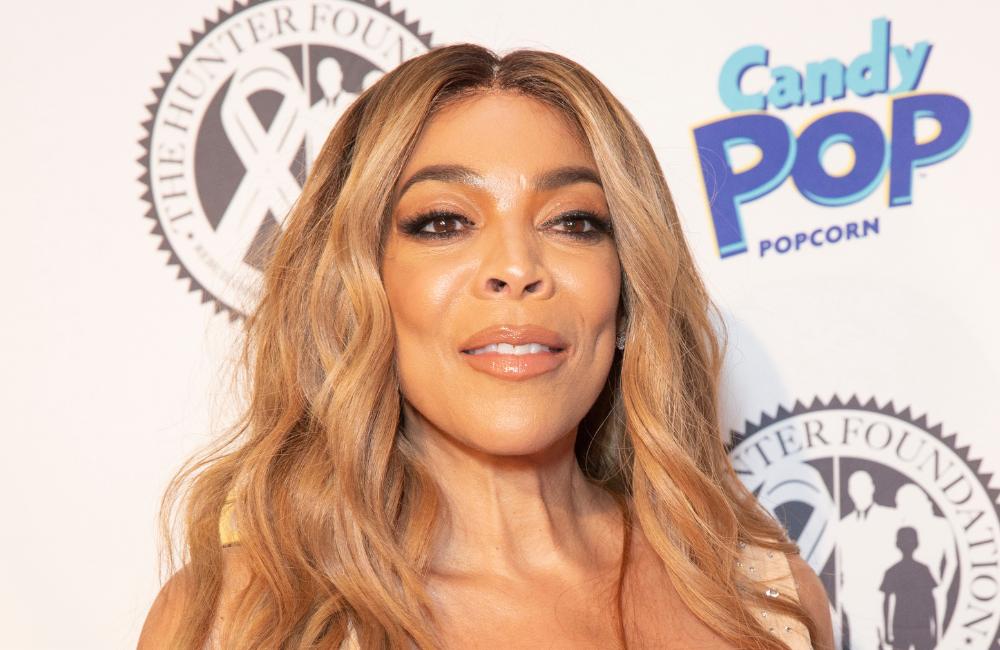
A legal dispute over a controversial documentary about Wendy Williams has reached a resolution, bringing an end to a case that raised serious questions about consent, exploitation and the responsibilities of media companies toward vulnerable subjects.
Court filings confirm that Williams’ court-appointed guardian and the defendants, which include Lifetime and its parent company A&E Network, submitted a joint motion to resolve the matter. The filing addressed the settlement terms, proposed legal fees and the distribution of any funds to be paid out.
A documentary that sparked immediate backlash
The two-part docuseries chronicled roughly two years of Williams’ life during a period of significant personal and medical decline. It aired in 2024, just days after her care team publicly disclosed that she had been diagnosed with primary progressive aphasia and frontotemporal dementia, a combination of conditions that severely affects language, behavior and cognitive function.
Her guardian moved quickly, filing an initial lawsuit in February 2024 in an effort to stop the documentary from being released. That attempt did not succeed, and the series aired as scheduled.
The amended complaint and its core allegations
Several months later, the guardian filed an expanded version of the lawsuit that laid out a more detailed set of claims. The amended complaint alleged that the documentary was produced without a legally valid contract and that Williams was in no condition to provide meaningful consent at the time filming took place.
The filing described her as highly vulnerable and clearly incapacitated during the period she was recorded. It alleged that producers presented a contract for her signature after she had already been filmed in a state that observers on set could not have reasonably interpreted as coherent or capable of informed agreement.
The lawsuit further alleged that A&E Network deliberately took advantage of a severely impaired individual and generated substantial profits from the resulting content. According to the complaint, Williams received approximately $82,000 from the production while the network earned considerably more from the series.
What the guardian demanded
At the heart of the legal action was a demand that all profits generated by the documentary be redirected to Williams herself. The filing noted that her ongoing medical needs would require significant financial resources for the remainder of her life, and that the disparity between what she received and what the network earned was both unjust and legally indefensible.
Where Is Wendy Williams? followed the former talk show host through a turbulent chapter that ended with her being placed under court-ordered guardianship in 2022. That guardianship arrangement, which transferred legal decision-making authority to an appointed third party, was already in place when the documentary was being produced and eventually released.
A settlement reached
The joint motion filed by both sides signals that the parties have agreed to resolve the matter without proceeding to trial. The specific financial terms of the settlement have not been made public, and the proposed distribution of any payment remains subject to court approval.
For Williams, who built one of the most recognizable brands in daytime television over decades in the industry, the case represented something far larger than a contract dispute. It raised pointed questions about how media companies approach subjects who are no longer able to fully advocate for themselves and whether the pursuit of compelling content can cross into genuine harm.
The settlement does not resolve those broader questions, but it does mark the formal conclusion of a legal chapter that drew significant attention to the intersection of entertainment, illness and informed consent.
Full Article & Source:
Why the Wendy Williams Lifetime lawsuit ended the way it did
Wendy Williams' Ex-Husband's Guardianship Bid Tossed By Judge


No comments:
Post a Comment