Tuesday, August 14, 2018

New state rules cause ‘confusion’ in court

ROSWELL – Despite a new state law and court rules providing for open hearings, state District Court officials ejected a Journal reporter Monday from a courtroom minutes before a hearing sought by a woman who questions how a court-appointed professional guardian is handling her adult son’s case and finances.

After the reporter had left the courthouse in Roswell, the judge reversed himself and opened the guardianship hearing, apologizing to those in the courtroom.

Elizabeth McCutcheon and her 32-year-old son, Bryan, who suffered brain damage a decade ago, had requested the hearing in June.

They allege that the guardian company, CNRAG Inc., has filed inaccurate annual reports with the court and failed to file annual financial reports or give a comprehensive accounting of his income and expenditures. They also seek the court’s review of the guardianship arrangement, because some circumstances involving Bryan McCutcheon have changed in recent years.

CNRAG’s owner, Roxanna Gates, told the Journal after the hearing that she has complied fully with the requirements imposed on court-appointed guardians and denied any mismanagement in the case.

She said that as the representative payee for Bryan McCutcheon, she isn’t required to file financial reports with the court for McCutcheon, whose guardianship services are paid for by the state Office of Guardianship, which handles services for low-income clients.

The judge set a follow-up hearing on the merits of McCutcheon’s allegations for Oct. 31.

Before the start of the proceedings on Monday morning before Judge James M. Hudson of Roswell, a Journal reporter sitting in the courtroom was told by bailiff Tim Foster that such hearings were “sequestered” and, thus, closed to the public. The bailiff first asked the reporter to identify herself as she walked in the door.

When the reporter showed the bailiff a copy of new court rules requiring open guardianship hearings effective July 1, Foster told the reporter she had to leave anyway. When the reporter asked to speak to the judge in court to object, Foster denied the request and said he had already consulted the judge.

Foster insisted the reporter leave and said she could talk to the judge after the hearing.

The reporter left the Chaves County Courthouse to contact the Administrative Office of the Courts via cellphone, because the public isn’t allowed to take cellphones into the courtroom.

Later, in an interview, Elizabeth McCutcheon said that during the 25-minute hearing, Hudson apologized and then opened up the courtroom.

“According to Judge Hudson, there was miscommunication with his staff and confusion over whether the hearing today was sequestered,” Barry Massey of the AOC wrote in a subsequent email to the Journal.

“After you left,” Massey told the reporter, “he (the judge) went on the record and took responsibility for the problem. He had his bailiff go out and call the case again so anyone else who wanted to appear could do so, but apparently you had left.”

New Mexico’s judges who hear guardianship and conservatorship cases have been trained and should be aware of the changes in the law, Massey’s email said.

Opening what have been historically closed, sequestered court hearings in guardian and conservator cases has been considered a cornerstone of a legislative reform package approved in February. Legislative leaders and judges themselves have said they hoped such transparency would help improve accountability in the much-criticized system.

The state Supreme Court recently approved rules implementing the new law, further detailing how “all courtroom proceedings shall be open to the public” unless the judge follows a set procedure and articulates “the overriding interest being protected.”

Under court rules, judges are to hold public hearings, giving the parties time to file motions and replies, before ordering a courtroom closure.

Massey said the judiciary held two sessions on guardianship changes during the annual judicial conclave in June for judges. Written information about the new system has been distributed to the state’s judges, and two Albuquerque district judges have conducted continuing education about the subject at lunchtime meetings that judges can attend in person, by phone or video teleconferencing.

Although Foster earlier had said the judge would be available after the hearing, he told the Journal reporter after the hearing that judge, who was about to hear another case, was not available for comment.

Bryan McCutcheon, after the hearing, said he was disappointed in Monday’s events.

“I’m like, what? It (hearing) is open.”

He posted a notice on his Facebook page the night before saying, “Dear residents of Roswell NM. I would like to invite you to the Roswell courthouse.tomorrow morning for my ‘status hearing’ at 7:30 a.m. thank you.good nite.”

Full Article & Source:

Granite Falls Woman Indicted On Fraud, Exploitation Charges

37-year-old Jane Morgan Hefner of Peachtree Lane in Granite Falls was arrested Monday (July 16) by Caldwell County Sheriff's Officers. She's charged on bills of indictment with felony financial card fraud and felony exploit a disabled or elderly person. Hefner was detained in the Caldwell County Detention Center under $10,000 secured bond. A Superior Court appearance is scheduled for September 10.

Full Article & Source:
Granite Falls Woman Indicted On Fraud, Exploitation Charges

IRI Urges Advisors To Fight Elder Financial Abuse

In the face of increasing awareness of elder financial abuse, the Insured Retirement Institute is intensifying its efforts to fight this pervasive and pernicious activity.

IRI, a coalition of consumer organizations representing the retirement industry, is advocating for increased support from the federal government for state adult protective service agencies that need resources to investigate complaints of financial exploitation of the elderly population.

The organization also will provide training materials for financial advisors about how and when to report suspected abuse, will launch an awareness campaign for advisors and will create an online resource center.

According to an IRI survey of 150 financial advisors, more than half of them said they suspected cases of exploitation of older investors that was going on regularly—ranging from a few times a year to weekly. Sixty percent of advisors say the most frequent type of abuse is misuse of funds by trusted family members or friends.

Nearly all the financial advisors in the survey knew they could not be held liable for reporting suspected exploitation under the newly signed Senior Safe Act. “However, many may not be aware that the law requires them to complete training approved by regulators in order to be shielded from liability,” IRI said.

Many firms already provide training but they need to review it to determine whether its content meets the requirements, IRI advised.

“Older investors are particularly vulnerable to exploitation due to declining cognitive abilities and the effect that has on their ability to discern between legitimate and fraudulent investments,” says Cathy Weatherford, president and CEO of IRI. 

Full Article & Source:
IRI Urges Advisors To Fight Elder Financial Abuse

Monday, August 13, 2018

Tonight on Marti Oakley's T. S. Radio: After the Whistelblowers Summit Review


5:00pm PST…6:00pm MST…7:00pm CST…8:00pm EST

This year’s Summit panel was a huge success. We had a major increase in attendance and made an extraordinary number of new contacts and were able to meet so many of you in person for the first time. I finally returned home a week after the Summit after a five state journey that hopefully will add to needed changes to this system of human trafficking. Thank you to everyone who made the effort to attend this year.

Joining us this evening will be:

HOUR 1:

Marcel Reid: Founder of the Whistleblower’s Summit. Marcel plans and organizes the Summit each year. Marcel was also the original whistleblower regarding ACORN.

Marcia Southwick: Publisher of Boomers Against Elder Abuse on Facebook. She is an active advocate for the elderly and has worked non-stop to change laws in several states.

HOUR 2:

Lisa Belanger: The People’s center for Law & Justice Now under fire from the Massachusetts BAR Association, for filing a RICO action against other BAR members, guardians and other actors involved in the ongoing isolation, home imprisonment and theft of estate assets, of her father.

Tanya Hathaway: Host of TNT TanyaTalkS on TS Radio. Tanya was also a speaker on Mike Volpe’s panel at the Summit. She works tirelessly to expose the corruption of courts especially in Oklahoma.

Yolanda Bell: Yolanda Bell exposed the abduction of her sister, Anastasia Adams by Inova hospital in Virginia. Simultaneously exposing a nation-wide program of abduction, medical kidnap and euthanasia in the system.


LISTEN TO THE SHOW LIVE or listen to the archive lately

Why are nursing homes drugging dementia patients without their consent?

It helps control the residents, and institutions are rarely punished.


A year and a half ago in a Texas nursing home, I met an 84-year-old resident with dementia named Felipa Natividad. Her sister, Aurora Suarez, told me that the staff dosed Natividad with Haldol, an antipsychotic drug, to ease the burden of bathing her. “They give my sister medication to sedate her on the days of her shower: Monday, Wednesday, Friday,” Suarez said. “They give her so much she sleeps through the lunch hour and supper.” A review of Natividad’s medical chart confirmed the schedule.

Suarez said she had given her consent to use the drugs because she feared that the staff would not bathe her sister enough if she refused. But when Suarez saw the effect they had, she had second thoughts. She expressed them to the nursing home, but Natividad was taken off the antipsychotics only after she was placed in hospice care. She died a few months after my interview. Her family, seeing her in a reduced state and unable to communicate, wondered whether the drugs had compounded the losses associated with dementia; Suarez thought they contributed to her sister’s decline. “She gets no nourishment,” she told me not long before Natividad died.

The use of antipsychotic drugs as chemical restraints — for staff convenience or to “discipline” a resident — has a long history in nursing homes. In 1975, the Senate released a report, “Drugs in Nursing Homes: Misuse, High Costs, and Kickbacks,” documenting some of the same trends we still see, more than 40 years later. In the past decade, many manufacturers of antipsychotic drugs have faced civil and criminal penalties for misbranding the medications to promote them as appropriate for treating older people with dementia. For more than a decade, the Food and Drug Administration has required manufacturers to place the strongest caution, known as a “black box warning,” on the packaging to advise against the medicines’ use in these patients; such drugs almost double the risk of death for them and have never been approved as safe or effective for treating symptoms of dementia. Despite the warning, nursing homes still often administer antipsychotic drugs in this manner, sometimes without seeking informed consent first, in violation of federal regulations and human rights norms.

Last year, I visited more than 100 nursing homes across six states as part of Human Rights Watch research on the abuse of antipsychotic drugs in such facilities. Based on government data, we estimate that in an average week, more than 179,000 older people in nursing homes are given antipsychotic drugs without an appropriate diagnosis. The powerful medications were developed to treat schizophrenia, but staff most commonly administer them to older people with dementia. Too often, nursing homes use the antipsychotics for their sedative effects rather than to treat a medical problem. It’s true that the prevalence of antipsychotic drugs has declined in recent years, from 1 in 4 nursing home residents without an approved diagnosis in 2012 to 1 in 6 today, but that falsely suggests that a longtime wrong is being righted. Government enforcement of regulations prohibiting the use of the drugs as a chemical restraint or without informed consent remains weak. What’s more, two Trump administration decisions threaten the progress made in curbing the abuse.

These powerful drugs are misused for a variety of reasons, including a misperception by nursing home staff that the medications can help people with dementia; a lack of awareness of their dangers, despite the black box warnings; lack of training in dementia care; and, perhaps most significant, to compensate for understaffing. Nursing homes have been exaggerating levels of nursing and caretaking staff for years, according to an analysis of federal data by Kaiser Health News.

To understand the human toll of the misuse of antipsychotics, in my visits to the nursing homes I interviewed more than 300 people — residents, their families, staff, ombudsmen and doctors, as well as researchers and regulators. In most cases, I did not use their names in my report because they cited a fear of retaliation for speaking openly to me. Human Rights Watch did not identify the individual facilities in its report because the abuse is so pervasive in the industry, and not identifying nursing homes persuaded some staffers to speak with me. Further, the goal was not to expose particular private actors so much as to pressure government officials to enforce minimum health and safety standards for all providers.

I found that too often, antipsychotic drugs are administered in harmful, avoidable ways and without the appropriate consent. They are used to control people. Nursing home residents and their family members repeatedly told me they were given these medicines without their knowledge, without awareness of the risks or over their objections. Staff members frankly admitted giving residents these medicines for their own convenience, with some saying they were not aware of an informed-consent policy. Nursing facility staff, pharmacists and medical directors described how doctors commonly prescribed the medications at the request of nursing staff, without even seeing the patients.

Nursing homes turn to antipsychotic drugs — among other classes of psychotropic medications — because dementia is associated with agitation, irritability, aggression, delusions, wandering, disinhibition and anxiety. While such symptoms are frightening for the people experiencing them and challenging for their caregivers, institutional or otherwise, antipsychotic drugs have not been found to be effective at managing them. In a small number of particularly complex cases, antipsychotic drugs may be appropriate as a last resort. But that is a far cry from how they are used. The American Psychiatric Association concludes that the drugs offer “at best small” potential benefits (such as minimizing the risk of self-harm in people with extreme agitation), while “on the whole, there is consistent evidence that antipsychotics are associated with clinically significant adverse effects, including mortality.”

On paper, federal regulations say that residents have the right to be fully informed of their treatment and to refuse treatment, which should amount to a right to informed consent. But nursing facilities widely ignore the rules, partly because they are rarely held accountable. Reviewing government data from 2014 through mid-2017, Human Rights Watch found that in 97 percent of citations for violations related to antipsychotic drugs, the incidents were determined to have caused “no actual harm” to residents. As a result, in almost no cases did the government impose financial penalties, which correspond to the severity of harm caused by the noncompliance. The prospect of enforcement actions, and the rare sanctions issued, unsurprisingly had little deterrent effect, our analysis found. Nursing homes cited for antipsychotic-drug-related issues did not reduce their rates of drug use any more than facilities not cited.

The way nursing homes obtain or define “informed consent” can also be a factor in the drugs’ misuse. “The use of specific medicines, particularly for somebody with dementia, who lacks the capacity to consent themselves, should require informed consent from their legal representative,” says Jonathan Evans, a former president of the American Medical Directors Association. “But in practice that seldom happens. Not just for that medicine but for any medicine.”

The former administrator of a nursing home in Kansas, who asked to remain anonymous, said: “The facility usually gets informed consent like this: They call you up. They say: ‘X, Y and Z is happening with your mom. This is going to help her.’ Black box warning? It’s best just not to read that. The risks? They gloss over them. They say, ‘That only happens once in a while, and we’ll look for problems.’ We sell it. And, by the way, we already started them on it.”

Despite the limited threat of penalties, many nursing homes have reduced inappropriate use of the drugs in recent years anyway, in response to increased public pressure. By 2012, congressional outrage over the widespread misuse of medications, costing hundreds of millions of Medicare dollars annually, had motivated the Centers for Medicare and Medicaid Services (CMS) to create the National Partnership to Improve Dementia Care in Nursing Homes . While the partnership is only a voluntary initiative offering educational support to train providers, the increased attention has been associated with the reduction in misuse. But it is hard to celebrate the decline when the government elects not to rigorously use the tools it has to protect Americans in nursing homes from irreversible harm.

What’s more, the national reduction may be misleading — and it may not last. First, there’s been a notable uptick in the diagnosis of schizophrenia (a disease that typically develops before age 30) in predominantly elderly nursing home populations. This increase corresponds to the rising pressure on facilities to reduce off-label antipsychotic drug use. There’s no proven link, but the trend does suggest that some homes seek false diagnoses to avoid red flags with the use of these medications. A second concern, recognized by CMS, is that nursing homes are simply replacing this closely watched class of psychotropic medication with other types of sedating drugs with similar health risks.

Meanwhile, in response to an industry request, the Trump administration in July 2017 changed its guidance on financial penalties, limiting the instances when inspectors can assess the heaviest fines. The guidance also favors one-time sanctions for harmful noncompliance with the law, rather than a per-day sanction that corresponds to the number of days the harm persists. As a result, in many cases facilities face less-significant consequences for harming residents than they used to. And last November , CMS imposed an 18-month moratorium on Obama-era revisions to some regulations — not updated since 1991 — intended in part to protect residents whose psychotropic medications are prescribed on an “as needed” basis. While it is unclear if those new protections will come into force, it is abundantly clear that this administration’s deregulatory scheme, which it calls “Patients Over Paperwork,” reduces oversight and enforcement in an already dangerously underpoliced industry.

Karla Benkula, daughter of a 75-year-old woman in Kansas, said that when the nursing facility began giving her mother an antipsychotic drug, her mother “would just sit there like this. No personality. Just a zombie.” Laurel Cline, the daughter of an 88-year-old woman in a California nursing home, said she thought the facility used antipsychotic medication to silence people whose symptoms disturbed the staff. Cline said it was obvious that her mother had physiological conditions requiring medical attention. “She would be sitting there, slumped over, mucus everywhere. I would go over and say, ‘She’s sick.’ ” But Cline’s mother wasn’t able to advocate for herself, and Cline had to intervene to demand appropriate medical care for a urinary tract infection, pneumonia and a pulmonary embolism, she said.

“Dementia’s already so hard,” said Ashley Plummer, a licensed practical nurse who works in a Kansas nursing home. “But on top of that, throw [on] a few Seroquels [a common antipsychotic drug], and then you’re just drooling. I mean, it’s taking away even your right to be upset about your disease process. It’s taking away your right to mourn what you’re going through.”

In my interviews, it was disturbing how frequently staff justified administering antipsychotic drugs for “behaviors,” a disconcerting term suggesting that residents could, and should, avoid acting in a disruptive way. A social worker in Texas who used to work in a nursing facility said the underlying issue is that “the nursing homes don’t want behaviors. They want docile.”

Many nursing home staff spoke to me about using antipsychotics to control residents as if it were a perfectly acceptable practice. Others told me that they had become aware that antipsychotic drugs were frequently misused only after the facility’s administration or corporate owners decided to cut down on their use. “It used to be like a death prison here,” a nursing director in a Kansas nursing home told me. “Half our residents were on antipsychotics. Only 10 percent of our residents have a mental illness.” Senior staff at the facility led an effort to reduce the antipsychotic drug rate after receiving financial penalties for administering unnecessary medications and after pressure from the chain’s owners. Another nurse in Kansas said: “We were at 55 percent antipsychotic drug rate before. Now we’re down to only people with a diagnosis [for which the FDA has approved the medications] on the drugs. They have a better quality of life because they’re not sedated.”

Nursing homes, a mostly for-profit industry, control most aspects of their residents’ lives. Presumably, providers would be more inclined to meet minimum health and safety standards if it cost them dearly not to do so. “In this industry, there is a real cost-benefit analysis,” one long-term-care consultant told me. “If the fine will be $100,000, then they’ll hire the three nurse aides who will cost them about the same amount.”

Antipsychotic drugs may be an appropriate treatment for some people with dementia in nursing homes, but determining that requires a doctor and an informed patient (or proxy). And once told of the significant risks, unlikely benefits and possible alternative treatments — such as behavioral therapy, adjusting routine and environment, or alleviating the source of underlying loneliness, pain, boredom or fear — many people would probably reject the drugs. As one long-term-care pharmacist in Kansas said: “I don’t think antipsychotic drugs are presented well to the family in informed-consent conversations. Because if it were, they’d all reject it.”

An 81-year-old man in a Texas nursing home put it this way to me: “Too many times I’m given too many pills. I can’t even talk. I have a thick tongue when they do that. I ask them not to [give me the antipsychotic drugs]. When I say that, they threaten to remove me from the home. They get me so I can’t think. I don’t want anything to make me change the person I am.”

Full Article & Source:
Why are nursing homes drugging dementia patients without their consent?

Illinois State Bar Association chooses Madison County judge for two advocacy councils

Judge Martin J. Mengarelli
EDWARDSVILLE –– A Madison County juvenile court judge will serve on two section councils of the Illinois State Bar Association.

Third Judicial Circuit Associate Judge Martin J. Mengarelli joins the child law section council and the tort law section council for the 2018/2019 term.

Mengarelli already has experience with child law as Madison County’s juvenile court judge. As a member of this section, he has a responsibility to help inform lawyers who work in any area that involves children of any major changes. These areas include adoption, guardianship, family law, child protection regulations and juvenile justice.

As a member of the tort law section council, Mengarelli will assist in enhancing how tort law is practiced on a professional and ethical level.

Third Judicial Circuit Associate Judge Martin J. Mengarelli is a judge in Madison County
ISBA President James F. McCluskey detailed the importance of the section councils to the bar.
“Section councils and committees are the backbone of the ISBA,” McCluskey stated in a press release. “Leadership is vital to the success of these groups.”

ISBA has 28,000 members from around the state, and offices in Chicago and Springfield. The organization provides special services to lawyers and the general public.

Mengarelli graduated from Loyola University in Chicago in 1989. His law career began after receiving his J.D. from Northern Illinois Law School in 1993. He currently sits on the board of the Illinois Judges Association as well as the Illinois Judges Foundation. He once served as the president of the Tri-Cities Bar Association. He is still a member of the Madison County Bar Association. Mengarelli and his wife live in St. Jacob.

Full Article & Source:
Illinois State Bar Association chooses Madison County judge for two advocacy councils

New patients barred at Knoxville nursing home after woman with broken knees left in agony for 9 days

State officials have halted admissions at one of the biggest nursing homes in Knoxville after it was discovered that a bedridden dementia patient fractured both her knees in a fall but did not see a doctor and was left in agony for nine days.

 The patient fractured her knees while falling out of bed in front of a nurse assistant, then complained of "intense pain," state records show. However, it took the nursing home five days to perform an x-ray, then another four days to have her be seen by a doctor.

The doctor then sent her for knee surgery at a hospital, where she died a month later.

As a result of this incident, Westmoreland Health and Rehabilitation Center has been ordered to stop accepting new patients, according to a news release from the Tennessee Department of Health. The nursing home, which is on Lyons View Pike, must also pay $30,000 in penalties. The state has appointed a special monitor to oversee operations at the nursing home.

Westmoreland, previously known as Brakebill Nursing Home, opened in 1977. It is licensed for 222 beds and is the second-largest nursing home in Knoxville.

At Westmoreland, no new patients


The injured patient incident, which occurred in November, was revealed during a state investigation of the facility earlier this month. Investigation documents released to the USA TODAY NETWORK - Tennessee on Monday describe the incident.

According to those documents, the patient, who is not identified, fell out of bed and landed on her knees while a nursing assistant was changing her sheets on Nov. 11. The patient then reported a new source of pain but was not assessed by a doctor or a nurse.

Medical records, reviewed during the investigation, show that the patient “complained of pain in her legs and knees daily,” and was “noted to have bruising and swelling of the knees,” but nursing home staff responded only by giving her pain medication, the documents state. At one point, another nursing assistant reported that the patient had "screamed" in pain and appeared to be desperate for help — saying "oh please, please please" — the documents state.

"The (certified nursing assistant) further stated she asked staff everyday if anything had been done for the resident, such as an x-ray, and was told no," the documents state.

Five days after the fall, the patient finally received an x-ray, revealing fractures in both knees. Four days later, the patient was seen by an orthopedic physician, who admitted her at a hospital “due to the severity of the knee fractures,” the documents state.

At the hospital, the woman’s knees were repaired to alleviate her pain but it was clear she would not recover. She died about a month later on Dec. 18.

According to the state news release, Westmoreland was found to be below state standards for nursing home administration, performance improvement, nursing services, radiology services and resident rights. Tennessee Health Commissioner John Dreyzehner can suspend admissions at a nursing home if conditions are deemed likely to be “detrimental to the health, safety or welfare of the residents.”

Westmoreland did not immediately respond to a request for comment on Monday.

Full Article & Source:
New patients barred at Knoxville nursing home after woman with broken knees left in agony for 9 days

Sunday, August 12, 2018

New Fairfield veteran celebrates turning 100

NEW FAIRFIELD — With balloons tied to his chair and a smile on his face, World War II veteran Lou Russo marked turning 100 on Saturday with a party in his home, surrounded by many of the friends who had helped him return there just a few years ago.

The combat veteran, who had turned 100 that Wednesday, greeted guests in a fitting “Lou: the man, the myth, the legend” shirt in his living room, sharing stories and secrets for reaching the milestone age.

“I feel like I’m just born,” Russo said when asked how it felt to turn 100.

If it weren’t for the framed photos of volunteers repairing the home and stories from friends, it’d be hard to tell that it had been a collapsed roof in this room that put Russo at the center of a year-long court battle back in 2013.

Back then, Russo had been placed against his will in a nursing home when he was injured in a fall and his house was found in disrepair.

The fight to get him back to the Hammond Road house, taken on by friends and fellow veterans, also brought together volunteers from nearly a dozen community organizations to repair the home.

Many who joined the party Saturday recalled how groups like Habitat for Humanity, The Stephen Siller Tunnel to Towers Foundation, Home Depot and others took on an extensive renovation so Russo could live comfortably in the house he had built himself.

“It was worth the effort,” said Bob Kubisek, explaining how his company Summit Stair and volunteers helped put in new stairs and railings. “It was great to see (everyone) coming together to help out the elderly. I think we should do it more often.”

Russo’s battle had also prompted legislation in Hartford last year, co-authored by state Sen. Michael McLachlan, to better protect the elderly from court-appointed conservators. Russo’s first conservator had sold the veteran’s belongings and rented out his house to another family while he was staying in the nursing home.

The 100-year-old’s conservator is now Joe Schirmer, a veteran and one of the friends who led the charge to bring him home.

One of the highlight’s of Saturday’s party was when McLachlan stopped by to present Russo with an official happy birthday citation from Hartford.

“Congratulations on 100 years and a happy birthday,” McLachlan read. “...And hope for continued success.”

“Continued age,” Russo joked before thanking the senator. “I’m going to frame this, that’s going right on the wall.”

As for the secret to reach 100? It’s all about food, Russo said.

“I learned about nutrition in 1942,” Russo said. “You eat well and you feel good all the time, that’s all it is.”

Full Article & Source:
New Fairfield veteran celebrates turning 100

Governor Cuomo Announces $8.4 Million To Combat Elder Abuse And Financial Exploitation Statewide

First-in-the-Nation Initiative to Support and Expand Comprehensive, Statewide Network of Enhanced Multidisciplinary Teams to Protect Vulnerable Adults.

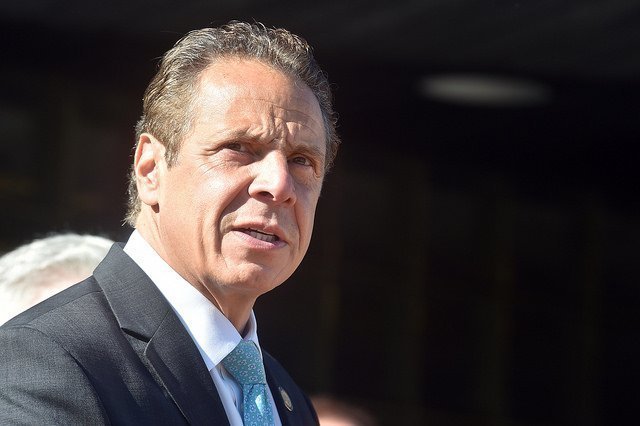
NYS Governor Andrew M. Cuomo.
Albany, NY - August 1, 2018 - Governor Andrew M. Cuomo today announced $8.4 million in state and federal funding to improve and expand services for vulnerable adults at risk of abuse, neglect or financial exploitation. Developed by the state Office of Victim Services and state Office for the Aging, the Elder Abuse Interventions and Enhanced Multidisciplinary Teams Initiative is the first of its kind in the nation. The initiative will fund and support 23 existing multidisciplinary teams currently targeting elder abuse and establish additional teams with the goal of serving every county in the state by the fall of 2020.

"New York remains steadfast in its commitment to protecting one of our most vulnerable populations and to holding those responsible accountable for their actions," Governor Cuomo said. "By expanding upon existing efforts to ensure we are able to serve every county in the state, we can prevent harm to vulnerable adults, reduce risk of exploitation, and save lives."

"Older New Yorkers are at risk of being victims of abuse and financial exploitation, so New York is leading the nation with a comprehensive network to protect our most vulnerable," said Lieutenant Governor Kathy Hochul. "This funding will expand our efforts to assist vulnerable adults with support from teams across the state to ensure they don't become victims of abuse. Through teams of professionals and investment in resources and services, New York is committed to reducing harm and helping to save lives."

Over the next three years, the Office of Victim Services will provide $2 million in federal funding annually and the Office for the Aging will provide another $500,000 in state funding annually to establish the E-MDT Initiative. These teams consist of professionals from aging services, adult protective, health care, financial services, criminal justice, victim assistance, mental health and other disciplines to coordinate investigations and develop interventions to stop or prevent elder abuse. The teams—first piloted in the state in 2012—assist adults who are 60 or older and at risk for harm or exploitation due to physical limitations, cognitive impairment or dementia, and social isolation.

The Office for the Aging is partnering with Lifespan, which is based in Monroe County, and Weill Cornell Medicine's NYC Elder Abuse Center to manage, monitor, and distribute the funding this year through Sept. 30, 2020. The funding will sustain and expand existing enhanced multidisciplinary teams and create additional teams to ensure that every county in the state is represented, as well as provide technical assistance and training; collect data; and provide teams with forensic accounting, geriatric psychiatry services and community legal services, depending on the needs of cases they are handling.

This infusion of federal funding allows the state to leverage additional funds to support 23 existing multidisciplinary teams, four of which serve as administrative and oversight hubs, supporting teams in multiple counties. A full list of the 10 not-for-profit and governmental organizations receiving funding for those 23 teams is available here.

The Office of Victim Services developed the E-MDT initiative with the Office for the Aging after receiving an increase in funding through the federal Victims of Crime Act. In addition to the $6 million to maintain and expand services, the Office of Victim Services will provide $916,500 to the Office for the Aging to administer and monitor the funding provided during the three-year grant period, which runs through Sept. 30, 2020. The funding cycle mirrors the federal fiscal year. The E-MDT Initiative also is tasked with:
  • Creating up to 20 additional teams by Sept. 30, 2019, the end of the second year of funding and up to 20 additional teams by Sept. 30, 2020. As part of that process, counties will be assessed to determine their readiness to establish teams and serve as hubs where appropriate. 
  • Developing and establishing the New York Statewide Elder Justice Hub to support the work of the enhanced multidisciplinary teams. 
  • Funding pilot initiatives that provide direct services and support victims of elder abuse and financial exploitation. 
Office of Victim Services Director Elizabeth Cronin said, "We do everything we can to identify crime victims who don't come to us for help, those who don't report their victimization to law enforcement and determine the best way to reach and assist them. Vulnerable adults have suffered in silence too long. This comprehensive, statewide network will provide those individuals with assistance and support to help them recover and raise awareness to bring this crime out of the shadows, where perpetrators of abuse and exploitation have been allowed to thrive."

Office for the Aging Acting Director Greg Olsen said, "The success in dealing with any complex, cross systems issue is to have the experts at the table at the same time, tapping their skills, experience and resources to have the best outcomes possible. I am thrilled to work with Director Cronin, her staff and those specialists statewide who have dedicated their careers to eliminating elder abuse in all its forms. This project is the glue that will keep these teams operational."

Lifespan President and CEO Ann Marie Cook said, "Lifespan is very grateful to be partnering with the Office for the Aging and the Office of Victim Services to intervene to help older crime victims and bring to the forefront the serious issue of elder abuse and mistreatment. The Enhanced Multi-Disciplinary Team model is a proven, highly successful effort to coordinate professionals and collectively intervene to protect older victims. We all know that elder abuse thrives in silence and secrecy. The silence is over in NYS! Our shared goal is to help older adults in New York State live fulfilling lives free of abuse, mistreatment and exploitation."

Risa Breckman, Executive Director of Weill Cornell Medicine's NYC Elder Abuse Center, said, "New York State is blazing a trail for other states to follow, setting a goal of funding an enhanced multidisciplinary team in every county in the state by 2020. These teams will help reduce the suffering of elder abuse victims, increase their safety and well-being, and in so doing, not only improve lives, but save them."

Sheila J. Poole, Acting Commissioner of the state Office of Children and Family Services said, "Serving vulnerable adults is at the core of OCFS's Bureau of Adult Services mission, and adult protective services are a critical component of each enhanced multidisciplinary team. These programs will go far in supporting those who often are unable to protect themselves from harm and have no one else willing and able to truly assist them. OCFS stands with our partners at NYSOFA, and OVS in working to end the abuse and exploitation of older adults, and we applaud their efforts to enhance protections for vulnerable fellow New Yorkers. OCFS has consistently promoted the use of MDTs to protect vulnerable adults and enthusiastically supports this expansion."

Congressman José E. Serrano said, "Seniors shouldn't have to worry about abuse or financial exploitation, but unfortunately, issues involving financial abuse, exploitation, and neglect of individuals over 60 is becoming more prevalent. This funding will help improve and expand already existing resources for individuals over 60 at risk of financial abuse to guarantee their financial stability and well-being late in life."

Congresswoman Nita Lowey said, "This funding will go a long way in protecting elderly and vulnerable New Yorkers from financial exploitation and abuse. As Ranking Member on the House Appropriations Committee, I will continue fighting for resources critical to ensuring the safety and well-being of our seniors."

Chair of the Senate Standing Committee on Aging, Senator Sue Serino said, "Elder abuse is a despicable crime that targets some of our state's most vulnerable and combatting it has been one of my highest priorities since being named Aging Chair. This funding sends a powerful message to our seniors that New York State stands ready to empower them, and to hold perpetrators accountable. This statewide network of multidisciplinary teams that take a multi-pronged approach to combatting abuse has proven to be incredibly effective, and I thank the Executive for recognizing this and investing in this critically important program which can serve as a model for other states looking to combat the all too pervasive elder abuse epidemic."

Chair of the Assembly Standing Committee on Aging, Assembly Member Donna Lupardo said, "New York seniors deserve to age independently and with dignity. Unfortunately, this freedom is often threatened by criminals who target them for exploitation. By establishing and funding multidisciplinary teams in every county across New York, we will provide seniors with a powerful ally to help protect and support them. I would like to especially thank Governor Cuomo and all of my partners in state government for these important resources needed to reduce elder abuse."

Crime victims who were 60 or older filed a total of 4,031 claims for assistance that were approved by the Office of Victim Services between January 2015 and December 2017. This figure represents about 17 percent of the 23,349 claims awarded by the agency over that two-year period.

Determining the full scope and prevalence of elder abuse is difficult, as many of these cases go unreported because the abuser is a family member or caregiver. A comprehensive, state-funded study published in 2011 found that for every one case of abuse reported to adult protective services or other authorities, there were 23.5 other cases that were not reported. In addition, a 2016 OCFS study found that financial exploitation costs vulnerable adults who have been victimized and the state at least $1.5 billion annually.

The Office of Victim Services provides a safety net for crime victims and/or their family members, compensating eligible individuals for medical and counseling expenses, funeral and burial expenses, lost wages and support, in addition to other assistance. For more information, eligibility guidelines and victim assistance programs it funds by county, visit www.ovs.ny.gov or call 1-800-247-8035.

The Office for the Aging's home and community-based programs provide older persons access to a well-planned, coordinated package of in-home and other supportive services designed to support and supplement informal care. The agency aims to improve access to, and availability of, appropriate and cost-effective non-medical support services for older individuals to maximize their ability to age in their community and avoid higher levels of care and publicly financed care. NYSOFA achieves this through our network of 59 local Offices for the Aging.

Lifespan helps older adults and caregivers take on the challenges and opportunities of longer life. The organization is a trusted source of unbiased information, guidance and more than 30 services and advocacy for older adults and caregivers and also provides training and education for allied professionals and the community.

Weill Cornell Medicine's NYC Elder Abuse Center was launched in 2009 to improve the way professionals, organizations and systems respond to elder abuse, neglect and financial exploitation.

Full Article & Source: