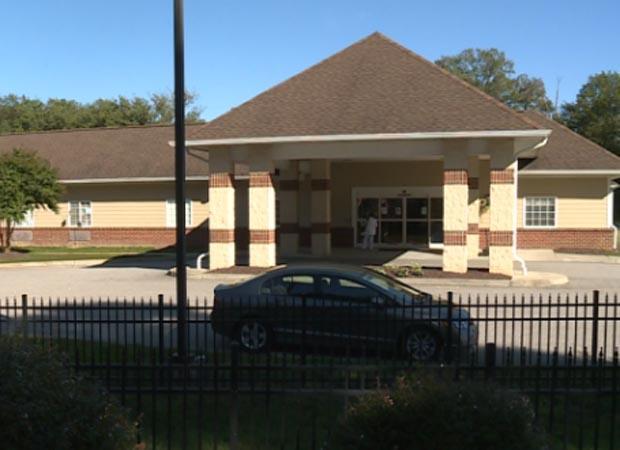
Despite longer live spans, almost half a million people die of healthcare-associated infections (HAIs) each year, many of them preventable.
The decision to move a loved one into a long-term care facility is difficult. Besides worry about how an elderly loved one will adjust, there are concerns about care, potential abuse, and infection.
The graying of America is creating a large-scale reshuffle in how Americans handle healthcare at older ages.
A recent
report
suggests a decrease in the number of nursing home facilities, with an
attendant increase in home care services and assisted living facilities.
Baby Boomers, in better health than their predecessors, are pushing for
a better quality of life — and better healthcare — than is typically
conjured by the term "nursing home." As well, continuing dramatic swings
in federal healthcare policies are resetting reimbursement policies for
which long-term healthcare facilities have long made a profit.
The
economics and demographics of long-term health care impact the service
provided to one of the most vulnerable sectors in America — the elderly.
A recent presentation delivered at the annual conference of the
Association for Professionals in Infection Control and Epidemiology (APIC) laid out stark facts about some of the nation's 15,654 nursing facilities.
Assisted
living facilities are residential communities that provide limited
nursing or supportive care. Nursing homes are medical care facilities
that also provide housing. In some areas, there are
many complexes that have areas for assisted living, with the capability of moving into nursing facilities when the need arises.
Poor Practices Lead to Higher Rates of Deadly Infection
In a
press release
discussing the research, APIC shared sobering facts about life in
long-term healthcare facilities. Over 1.4 million people live in a
nursing home in the United States. Despite rules for infection control
and requirements for antimicrobial stewardship programs, many nursing
facilities just don't measure up.
The results in the presentation
were from assessments of 43 long-term healthcare facilities in Tennessee
and Washington by public health officials. They were looking to gain an
understanding of how
regulatory tools and assessment practices are applied. The results are not pretty.
Tennessee: In the state of Tennessee, healthcare officials used an
assessment tool developed by the
Centers for Medicare and Medicaid Services (CMS) to survey infection prevention protocols in long-term care facilities.
- Between
January and November 26, 23 assessments were conducted throughout the
state. These surveys looked for adherence to the criteria mentioned in
the CMS tool.
- In Tennessee nursing homes, an average of only 12.5 total staff hours were spent on prevention of infection per week.
- The
officials found 72% of facilities offered online training for hand
hygiene, but only 50% offered in-person feedback on performance.
- Similarly,
although 62% of facilities offered online training on the use of
personal protective equipment (PPE), approximately 50% never checked how
the staff was using the PPE.
- On requirements for antibiotic stewardship programs, nine out of ten facilities were out of compliance.
Washington: in the 20 assessments performed in Washington state, the statistics were sadly somewhat similar:
- Although
all the facilities had the required infection prevention professionals
on staff, only 10% of the infection prevention specialists had training
in infection prevention or control.
- These staff members spent
only 11 hours per week on infection prevention, and many had little
experience, and operated with "limited guidance."
- Of these facilities, while 75% had infection control policies in place, only 40% reviewed their policies on an annual basis.
- Only 15–30% of these nursing homes engaged in ongoing assessment of feedback process to improve best practices.
In the press notice, study researcher,
Dorothy MacEachern,
an infection preventionist with the Spokane Regional Health District,
noted: "Our analysis identified clear gaps in infection prevention
practices and the urgent need to improve infection control
infrastructure in long-term care facilities."
The Danger of HAIs and the Elderly
Choosing the right long-term healthcare facility can be a matter of life and death.
In grades assigned by a non-profit group, unrelated to the study and based on federal statistics, Tennessee got a "D," for nursing care, and Washington a "C."
Besides
the very young, the elderly are a group susceptible to frequent and
serious infection. Often, older adults are already suffering from a
chronic ailment like diabetes, heart disease, or respiratory problems.
These issues put them at greater risk for infection in a facility
without good disease prevention protocols.
HAIs contracted in a
long-term care facility can become chronic, and even deadly. Infections common to healthcare facilities include:
- Methicillin-resistant Staphylococcus aureus (MRSA):
A multi-drug resistant staph infection, MRSA is more prevalent in
nursing facilities and hospitals. The infection can be intractable,
causing chronic infection, or death.
- Clostridium difficile (C. diff):
This chronic and often deadly diarrheal infection can quickly kill an
elderly patient. Triggered by antibiotics wiping out the body's natural
gut bacteria populations, C. diff is difficult to treat once established. The infection causes about half a million HAIs per year in the US.
- Urinary tract infections:
UTIs are a common HAI, and are contracted in healthcare settings by
patients who require a urinary catheter. According to the Centers for
Disease Control and Prevention, between 15–20% of patients receive a
catheter during hospitalization. These infections also occur in residents of nursing homes with catheters.
Despite
population trends toward longer life, patients residing in some
long-term health care facilities in the US may have life cut short by
preventable healthcare-associated infections.
Full Article & Source:
500,000 People Die Every Year from Infections Caught in Long-Term Care Facilities