Tuesday, July 7, 2020

Editorial: Who guards the guardians?

Sunday, July 5th, 2020 at 12:02am

Much has changed for the better since the Journal published an investigative series in November and December of 2017 titled “Who Guards the Guardians.”
Those stories by reporter Diane Dimond detailed complaints about a secretive system. Critics, most often family members of incapacitated people, complained about having little recourse to abuses that ranged from overspending and mishandling of assets to virtual carte blanche authority by court-appointed guardians and conservators to ignore and override the wishes of families when it came to concerns for their loved ones.
Despite heated denials by many within the system that anything was wrong, Journal Investigative Reporter Colleen Heild continued to probe complaints of abuse and misconduct. Meanwhile, the state Supreme Court took notice and along with other reforms established a process that has led to more transparency and created an avenue in which family members and others can petition the courts to address their grievances.
Justices Charles Daniels, who passed away in 2019 after retiring from the court, and Judith Nakamura were instrumental in advancing reforms. So were retired District Judge Wendy York of Albuqueque, who headed a Supreme Court-appointed commission to study the issue, and District Judge Shannon Bacon of Albuquerque, who is now a Supreme Court justice.
So it was fitting that Bacon announced last week that the New Mexico State Auditor’s Office will now have a permanent watchdog function over the nearly 6,000 cases in which state district courts have appointed guardians and conservators to manage the affairs of those deemed incapacitated.
The announcement followed a one-year pilot project undertaken by State Auditor Brian Colón, whose auditors found 194 “risk factors” in annual reports filed among more than 300 conservator cases sampled. The factors included lack of supporting documentation, conflicting information, and the fact that assets of the protected person being were understated or unaccounted for. Auditors also found instances of checks written directly to conservators. Or conservators charging large fees for services or reimbursements of expenses. The auditors sent more than 40 letters to judges in the cases laying out the concerns.
This kind of outside oversight is unprecedented.
With a green light from the judiciary, Colón’s office will now have oversight and involvement in what had traditionally been a closed system that sometimes excluded even family members of the incapacitated person. Colón appeared with Bacon on a Zoom video conference to make the announcement.
“We have an opportunity to step up oversight …” Colón said. “We’ve got to fill in the cracks (in the system) so we know those most vulnerable don’t fall through.”
Bacon said the courts and Legislature have already added more transparency to the system and enhanced reporting requirements. Now, she said, the courts plan to implement measures “to give auditors open access to guardianship and conservatorship cases.” Bacon said the auditors have been granted special access to online reports that typically aren’t public.
On the issue of reporting, though, Colón’s auditors recommended guardians and conservators provide supporting documentation instead of simply listing the amounts of assets and expenditures on standardized forms filed with the district courts.
The Supreme Court can make that happen by adopting a rule requiring it.
The auditor’s report also recommended “increased focus on review of financial affairs of protected persons with substantial assets.” That makes sense.
The state auditor also said the recent criminal sentences of two of four defendants in the now-defunct Ayudando Guardians Inc. underscored the need for more oversight in New Mexico. The company’s top officials stole millions of dollars from clients to finance a lavish lifestyle in a nearly decade-long scheme.
In contrast with a closed system that appeared to stonewall complaints, Bacon and Colón urged people with concerns to fill out a grievance form found on the state Supreme Court website. The forms are to be submitted to the district court where the case is filed. Colón said a copy also can be sent to his office.
In another major step forward, Bacon said the judiciary wants Colón’s office to be able to do random audits and go to banking institutions to review records, if needed. The details are still to be worked out with the courts.
“This ongoing process and partnership,” Bacon said, “is how we increase the sunshine and avoid the abuses of the past.”
The judiciary, lawmakers and the auditor all deserve credit for the work they’ve done. Now is the time to push ahead on the rest of the reform items to prevent the exploitation of incapacitated New Mexicans and give a voice to their loved ones.
This editorial first appeared in the Albuquerque Journal. It was written by members of the editorial board and is unsigned as it represents the opinion of the newspaper rather than the writers.

Full Article & Source:
Editorial: Who guards the guardians?

Quadriplegic man’s death from covid-19 spotlights questions of disability, race and family

A Texas hospital deemed further treatments for Michael Hickson to be futile — a decision his wife opposed but others signed off on


Michael Hickson, 46, surrounded by his children at the nursing home where he had lived. Hickson died June 11 of complications from covid-19. (Family photo)
By Ariana Eunjung Cha

Michael Hickson, a 46-year-old father of five from Texas, was sick with covid-19 when doctors reached a crossroads in his treatment. He had pneumonia in both lungs, a urinary tract infection and sepsis — a dangerous immune response leading to multi-system organ failure.

He needed a ventilator to help him continue breathing, but the hospital felt further intervention for the disabled man was futile. A doctor explained to the family that there was little hope Hickson would survive or regain “quality of life.”

Hickson’s sister, a physician, agreed. So did the agency acting as his legal guardian. But his wife, Melissa Hickson, was horrified. She worried doctors were placing less value on her husband’s life because he was a black man who was disabled. After going into cardiac arrest in 2017 and suffering complications, he had been left quadriplegic and brain-damaged.

The disagreements over Michael Hickson’s care — amplified by an audio recording, widely shared on social media, of his wife pleading with a doctor to continue treatment — provide a rare window into fraught end-of-life decisions that are being made across the country as the novel coronavirus continues its rampage. The case puts a spotlight on issues of race, disability and family, including the different ways individuals, even within the same family, assess what makes a life worth living.

In the days after Hickson’s June 11 death, the audio recording shared by his wife has created a furor among disability rights activists across the United States who have rallied around his wife. Their outrage has been echoed by Catholic organizations and antiabortion groups, which have argued that stopping treatment was tantamount to failing to recognize the inherent value of a human life.

DeVry Anderson, chief medical officer at St. David’s South Austin Medical Center, where Hickson was treated, described his case as a “very sad and complex situation.” He said the decision to withdraw care was not a matter of hospital capacity, Hickson’s disabilities or cognitive abilities, or his race.

“This was a man who was very, very ill,” Anderson said in a written statement.

“Some people want the public to believe that we took the position that Mr. Hickson’s life wasn’t worth being saved, and that is absolutely wrong,” he added. “It wasn’t medically possible to save him.”

Hickson’s sister, Renee Hickson, a fellow at George Washington University Hospital in the District, said doctors worked very hard to save her brother’s life, but his decline was precipitous. She does not believe any of their decisions were based on his disabilities or his race.

“There is only so much medically that we can do,” she said. “And they did that for all of those days, and there was nothing more to do.”

In the recording between Melissa Hickson and the doctor in charge of her husband’s case, she expresses confusion as to how the decision to stop treatment was made and tries to change his mind. Under Texas law, such recordings are allowed as long as one party consents.

“So as of right now, his quality of life — he doesn’t have much of one,” the doctor explains.

“What do you mean?” she asks. “Because he’s paralyzed with a brain injury, he doesn’t have quality of life?”

“Correct,” the doctor responds. The hospital declined an interview on behalf of the doctor, who is not identified in the recording.

The debate over Hickson’s care has hit a nerve as crisis protocols activated by health officials in some jurisdictions would allow hospitals to ration treatments in certain circumstances, as coronavirus cases surge. Disability rights activists, among others, express alarm that disadvantaged groups — the disabled, members of minority groups, the poor — might get lower priority.

“I’ve been stewing on this for a few days as I try to come up with the right words to explain to you how much of an underlying fear this scenario is for much of the disabled community,” tweeted Steven Spohn, a popular gamer who has spinal muscular atrophy. “We live our entire lives in fear that one day a doctor will decide we just aren’t worth it.”

The Department of Health and Human Services’ Office for Civil Rights responded to such concerns this spring by probing some of the plans, issuing guidance affirming the need for nondiscrimination protections and threatening action against violators.

Devan Stahl, a bioethics expert at Baylor University, said research shows that people with disabilities often have a higher assessment of their quality of life than others do, including some doctors. That can adversely affect their medical care, Stahl said, and this bias has long been a source of controversy when it comes to medical futility laws in some states, such as Texas, that allow hospitals to override a patient or family’s wishes if they feel a treatment is not of benefit.

Stahl added that Hickson’s doctors may have been correct that he would not benefit from additional life-sustaining interventions, but it is “unfortunate that the physician stressed the quality-of-life judgment the way he did.”

“These are difficult things to say, and I want to be empathetic to physicians making hard choices,” Stahl said. “But I don’t think many are trained well enough to have these really sensitive conversations.”

Full Article & Source:
Quadriplegic man’s death from covid-19 spotlights questions of disability, race and family

Nursing-home inspections became shorter when pandemic hit, and found almost no infection-control issues

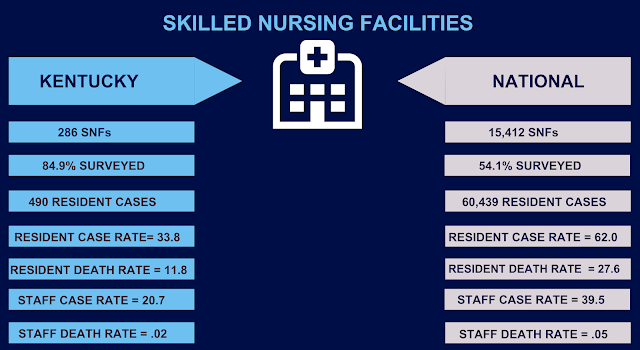
Before the coronavirus pandemic, 41% percent of Kentucky's nursing homes were cited for infection-control deficiencies.
State inspections of Kentucky nursing homes since the coronavirus pandemic began found almost no deficiencies in infection control, though nursing-home residents have accounted for more than 60 percent of the state’s 524 deaths from COVID-19, John Cheves of the Lexington Herald-Leader reports.
“Covid-19 has reached at least 57 percent of Kentucky’s 285 nursing homes,” Cheves reports. But from March 10 through June 16, “The Kentucky Health and Family Services Cabinet identified deficiencies in only 3 percent of the 202 inspection reports it had released.”

“How could it be that everyone is doing such an excellent job that we can’t find deficiencies, and yet all of these residents are getting covid and dying?” asked Toby Edelman, senior policy attorney for the Center for Medicare Advocacy in Washington, a lobby for care of the elderly and disabled.

One big reason appears to be that inspections became cursory when the pandemic hit, under orders from the U.S. Centers for Medicare and Medicaid Services. It ordered states to inspect all nursing homes at least once by July 31 or risk losing part of their coronavirus-relief funds, Cheves notes.

And rather than the usual multi-day tours by inspectors, he writes, “CMS has limited covid inspections to one or two people filling in boxes on a “streamlined review checklist” of questions, such as: Do employees wear masks properly? Do they wash their hands and have easy access to disinfectant? Has the facility ended communal dining and other group activities?”

And, to reduce the time spent in nursing homes, which are closed to visitors to prevent infection, inspectors are encouraged to follow up with phone interviews with managers” rather than have “face-to-face conversations throughout the facility,” Cheves reports.

Infection control is the main problem in nursing homes, and Kentucky’s numbers are near the national average, patient advocate Edelman told Cheves. He reports, “Her group published a study last week finding that only 2.83 percent of infection-control surveys of nursing homes nationwide have identified deficiencies during the pandemic.”

Before the pandemic hit, Cheves reports, 41% percent of Kentucky’s nursing homes were cited for infection-control deficiencies.

The object example of Cheves’s story is Ridgewood Terrace Nursing Home in Madisonville, where 24 of the 100 residents have died of COVID-19 in the last three months.

“Like nearly one-fourth of Kentucky nursing homes, Ridgewood Terrace entered the pandemic rated ‘much below average’ in its quality of care” by CMS, Cheves reports. “State inspectors cited it over the last three years for poor infection control, resident abuse, failure to report abuse and inadequate staffing. It paid nearly $75,000 in civil fines in 2018. But on April 7, following an infection-control survey, the Office of the Inspector General at the health cabinet published a short, tersely worded report finding ‘no deficient practice identified’ at Ridgewood Terrace.”

The cabinet replied, “Facilities with a large number of deaths or a large number of positive cases cannot be cited on the grounds of an outbreak.” Cheves writes that he agency “refused to comply with an Open Records Act request by the Herald-Leader to provide copies of all deficiencies issued since March 1.”

Cabinet spokeswoman Susan Dunlap provided Kentucky Health News a copy of her overall reply to Cheves, which said, “Information on enforcement cases is not available through Open Records until the process is closed. For the eight facilities identified as having immediate-jeopardy deficiencies, the findings are pending CMS review and processing. Once this has been completed, they will be posted.”

More generally, Dunlap said the state “has been aggressive in its protection of residents and staff of these facilities. Visitation was ceased earlier than was the case in other states.” Also, “We have formed strike teams to provide immense ongoing resources to several facilities. (The Department for) Behavioral Health has provided resources to employees, in this time that has tested resilience.” … Purposeful action has been taken, and will continue to be taken, to help prevent the amplification of covid-19 in Kentucky’s long-term care facilities.”

Dunlap said “residents, family members, caregivers or others may file a complaint by phone or by email” with the Office of the Inspector General. “Even if the OIG is aware of who is bringing a complaint forward, the information is not shared with the facility.”

In other COVID-19 news:
  • Gov. Andy Beshear reported 117 new coronavirus cases and two more covid-19 deaths Sunday, raising the totals to 13,750 and 526. The fatalities were a 73-year-old man from Butler County and a 61-year-old man from Fayette County. Beshear had not reported numbers on recent Sundays, when numbers are low partly because of limited reporting by labs, but resumed after federal officials asked for reports seven day a week. The new-case number was significantly higher than the two previous Sundays, when 85 and 70 cases were reported, but less than the 214 reported June 1, during a period when the state saw a surge of cases.
  • President Trump’s aides said he was joking in Tulsa Saturday night when he told them to “slow the testing down, please” because it increases the number of reported cases. The federal government has little if any control over testing, a function supervised by the states.
  • Kentucky has allowed restaurants to resume using tablecloths “as long as they are laundered between uses,” the Courier Journal reports. The revised requirements still urge restaurants to use disposable versions of products “to the greatest extent practicable.”
  • U.S. Senate candidates in Kentucky are taking different approaches to seeking votes as the June 23 end of the primary election nears, the Lexington Herald-Leader reports.
  • National Geographic answers the question, “How do I keep my kids safe as things reopen?” 
(Kentucky Health News is an independent news service of the Institute for Rural Journalism and Community Issues, based in the School of Journalism and Media at the University of Kentucky, with support from the Foundation for a Healthy Kentucky.)

Full Article & Source:
Nursing-home inspections became shorter when pandemic hit, and found almost no infection-control issues

Monday, July 6, 2020

Nursing home resident, advocate in Massachusetts experiences staffing shortage first-hand

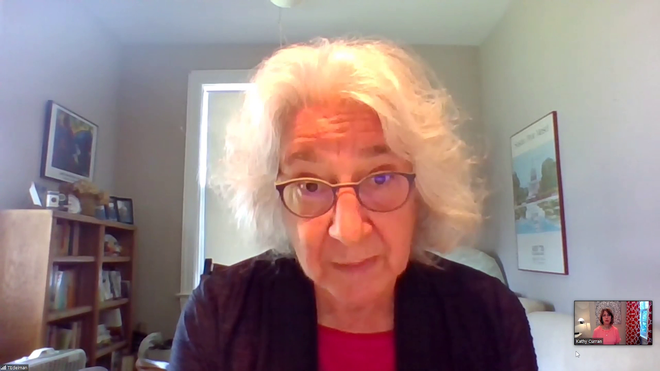
by  Kathy Curran

Click to Watch Video
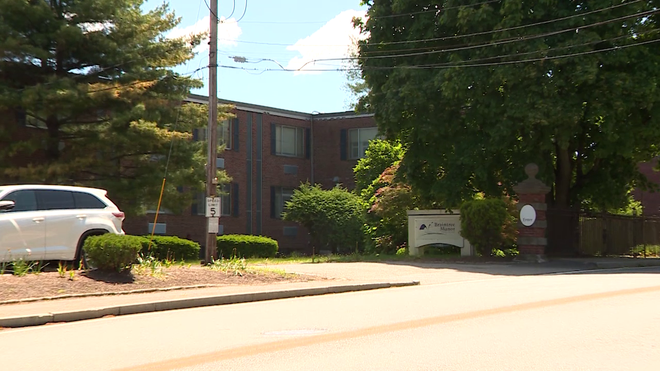
Penny Shaw was in pain as she lay helpless in her bed at Braintree Manor Nursing Home amid the COVID-19 pandemic. She became so desperate she even called Braintree Police.

"I was screaming, get me out of here, get me out of here, I was in terrible pain," she said. "And they didn't come for me."

Shaw, 77, suffers from quadriparesis and needs total care. She is also a national advocate for nursing home residents who were named earlier this month to the White House's Coronavirus Commission for Safety and Quality in Nursing Homes.

"I can't lay in bed for hours and hours in pain like that," she said. "We need a quality, safe, respectful, individualized care, person centric care, all care."

Her complaints about the care at Braintree Manor filed with the Department of Public Health put the spotlight on several issues also playing out nationwide. She said in her complaints that:
  • staffing shortages were impacting basic care, including that aides did not have enough time to give her a weekly shower
  • one morning, there were only two certified nursing assistants for 39 residents
  • She was stuck in bed for hours and had missed breakfast several times
  • there was not always enough personal protective equipment
  • on one day, a COVID-positive resident was wandering around without a mask and entering other people's rooms.
"We need to have adequate staff. We need to keep people separate the physical distancing," she said. "We need to have infection control procedures."

WCVB-TV


Braintree Manor Healthcare 
 
The staffing issues in Braintree Manor Healthcare were cited repeatedly in a 2019 inspection of the home that found actual harm-investigators discovered residents were being improperly restrained because there weren't enough staff to supervise them.

Toby Edelman with the Center for Medicare Advocacy says staffing shortages and improper infection control had a devastating impact in facilities across the country.

"Having not enough staff is the most serious problem. And it made the pandemic much worse," she said.

WCVB-TV

Toby Edelman, senior policy attorney with the Center for Medicare Advocacy, said low staffing and poor infection control has been an issue in nursing homes for years.

 
In Massachusetts, nursing homes were hit especially hard. Sixty-two percent of all COVID-19 deaths in the state were in long term care facilities, according to state data.

"Nursing homes were not prepared for this pandemic. They didn't have enough staff. They did not have proper infection control practices for a very, very long time. And so when this pandemic hit, they were they did not know what to do," Edelman said.

Next Step Healthcare, the company that owns Braintree Manor Healthcare, said in a statement that ample personal protective equipment has been secured and is available, and the home passed its most recent on-site audit with a perfect score.

"The safety of our residents and employees is of the utmost importance, and this is at the center of all decisions we make," the company statement said.

Shaw said she wants her speaking out and serving on the White House panel to be a wake-up call for nursing homes everywhere.

"I would say the hope with this project is to save lives today as soon as possible and in the future," she said.

Full Article & Source:
Nursing home resident, advocate in Massachusetts experiences staffing shortage first-hand

Stimulus money could pose dilemmas in nursing homes

By CANDICE CHOI

NEW YORK (AP) — Nursing home residents are among the Americans getting $1,200 checks as part of the U.S. government’s plan to revive the economy. But with many long-term care facilities under lockdown to prevent COVID-19 outbreaks, what are the rules around how the money is handled?

© Provided by Associated Press FILE - In this Friday, April 17, 2020 file photo, a health worker arrives to take a nose swab sample as part of testing for the COVID-19 coronavirus at a nursing and rehabilitation facility in Seattle. Nursing home residents are among the Americans getting $1,200 checks as part of the U.S. government’s plan to revive the economy in 2020. But with many long-term care facilities under lockdown to prevent COVID-19 outbreaks, what are the rules around how the money is handled? (AP Photo/Ted S. Warren)
 
The situation underscores the vulnerability of many elderly residents and potential confusion about what homes can and can’t do with residents’ money.

One worry is that nursing homes could pressure residents to use the checks to pay outstanding balances. Another is that relatives who aren’t legal representatives could demand to be in charge of the money, putting staff in difficult situations.

Visitor bans put in place months ago are making it difficult to tell whether such problems are widespread, since residents may be reluctant to express concerns by phone, said Lindsay Heckler of the Center for Elder Law and Justice.

“We just don’t know,” she said.

Residents can have personal accounts at nursing homes that are subject to federal regulations, a common setup that can be convenient for both parties.

For those on Medicaid, income such as Social Security checks may have to go to the nursing home to cover the cost of care. But residents are entitled to keep about $50 a month of income for personal spending, which is often deposited in those personal accounts at the home — and is in many cases where stimulus money would be deposited.

Gregory Cole, a 70-year-old in southwest Ohio, said he walks up to a window at his nursing home when he wants to withdraw money from his account.

“I let her know I would like to pull out $30, and I’d like $20 in one dollar bills for the candy machine and the pop machines,” said Cole, whose home has been under lockdown since mid-March.

It’s not yet known whether there are widespread problems with nursing homes taking residents' checks, said Lois Greisman of the Federal Trade Commission. But after receiving a few queries about the issue, the agency in May told people to contact their state attorney general with any problems.

About two dozen state attorneys general contacted by The Associated Press say they’ve had few to no complaints, while a couple said they had several. Some noted reports could have been filed with local police or other agencies.

Some early complaints may stem from genuine confusion, Greisman said. Homes often take other income with the prior consent of residents who are on Medicaid to cover costs, but the stimulus checks are considered tax credits that can’t be seized.

Nursing homes themselves could also be put in difficult positions. Even if family members feel they should be in charge of the money, for example, the home isn’t supposed to hand it over unless the person is legally appointed to manage the resident's finances.

Heckler also cited the example of a resident wanting a $1,200 check paid out in singles for the vending machine, which would bring worries about the money being lost or stolen.

Another potential issue: The stimulus money could jeopardize someone's Medicaid eligibility if they don’t spend it within a year. Medicaid recipients cannot have assets above certain limits, which vary depending on the state.

Cole, the southwest Ohio nursing home resident, said he still has some stimulus money left after buying a 55-inch television and gaming device. He’ll said he'll likely wait until his nursing home’s lockdown ends to spend the rest.

“When I’m allowed out of here for a little while, I want to take my family out to a steak dinner,” Cole said.
___

The Associated Press Health and Science Department receives support from the Howard Hughes Medical Institute’s Department of Science Education. The AP is solely responsible for all content.

Full Article & Source:
Stimulus money could pose dilemmas in nursing homes

Isolation and loneliness during the COVID-19 pandemic may leave seniors vulnerable to investment fraud

DENVER – June 15, 2020 – In recognition of World Elder Abuse Awareness Day (WEAAD) in the month of June, Colorado Securities Commissioner Tung Chan and Division of Securities, part of the Department of Regulatory Agencies (DORA), remind financial professionals and the public throughout Colorado that heightened isolation and loneliness during the COVID-19 pandemic have created a perfect storm for senior financial exploitation.

“Social isolation has long been one of the leading factors contributing to the financial exploitation of older investors, and the unprecedented quarantines to protect against the spread of the novel coronavirus have taken social isolation to a new dimension for many seniors, making them more vulnerable to financial exploitation,” Commissioner Chan said.

While financial abuse can happen at any time, perpetrators often strike during times in a senior’s life when they may be more vulnerable, such as during a health crisis or after the death of a loved one. Scammers often gather personal details from obituaries and social media posts and use this information to target their victims. Some even will exploit trust within seniors’ social and support groups to become more involved in their lives.

How You Can Help:
  • While in-person visits may not be possible yet, be sure to keep in touch with older family members, friends, and neighbors. Call or leave a note on their front door. If they have the technology, send them a text or email, or contact them via Facetime, Skype, Zoom or other video apps. Contact is key to letting your loved ones know you are thinking of them and that they are not alone.
  • Let your older family members know that fraudsters and scammers have found ways to exploit the pandemic. Make them aware of the red flags of fraud, which remain consistent regardless of the fraud or scam. Information regarding COVID-19 scams can be found in a previously-released DORA consumer advisory. Additional information on general red flags of fraud and exploitation can be found on the Division of Securities investor education website’s “Learn how to avoid being a victim” section.
Commissioner Chan asks anyone with suspicions of possible senior financial exploitation to contact the Division of Securities by calling 303-894-2320 or emailing us at dora_SecuritiesWebsite@state.co.us.

About the Securities Division:

The Division of Securities exists to protect investors and maintain confidence in the securities market, while avoiding unreasonable burdens on the marketplace by licensing securities professionals, enforcing securities law violations, and helping Coloradans become more informed investors.

About DORA:

DORA is dedicated to preserving the integrity of the marketplace and is committed to protecting a fair and competitive business environment in Colorado. Consumer protection is our mission. Visit dora.colorado.gov for more information or call 303-894-7855 / toll-free 1-800-886-7675.

Full Article & Source:
Isolation and loneliness during the COVID-19 pandemic may leave seniors vulnerable to investment fraud

Sunday, July 5, 2020

Doctors Starved Quadriplegic Coronavirus Patient to Death Because of His Disability

Michael Hickson, a 46-year-old COVID-19 patient, was starved and left without adequate treatment for his illnesses at St. David’s South Austin Medical Center. His wife, Melissa, says the hospital refused to treat his illnesses because of his disability.
Michael Hickson became quadriplegic due to receiving CPR after he went into sudden cardiac arrest while driving Melissa to work in May 2017. Melissa and their five children stayed by Michael’s side throughout his recovery. He landed back in the hospital in 2020 after contracting COVID-19 and pneumonia from a staff member at his nursing home.

Michael was conscious and alert but could not communicate verbally. He responded to jokes, shook his head, and puckered his lips on a FaceTime call when Melissa requested a kiss. Melissa asked if she could pray with her husband and their children, to which he nodded “yes.” But the doctor soon told Melissa her husband would be placed in hospice against her will. In a recorded conversation, the St. David’s doctor told Melissa her husband would not receive treatment because of his disability, despite her wishes.
St. David’s doctor: “So as of right now, his quality of life – he doesn’t have much of one.”
Melissa: “What do you mean? Because he’s paralyzed with a brain injury he doesn’t have quality of life?”
St. David’s doctor: “Correct.”


While Michael’s wife and another family member were litigating in court who would be Michael’s permanent guardian, a judge named an Austin-area organization called Family Eldercare as temporary guardian over Michael. Family Eldercare granted the doctor’s orders to not treat Michael and instead place him in hospice. Alarmingly, the doctor reiterated the scary reality that she had zero say in whether her husband lived or died. The doctor told Melissa, “but at this point, we are going to do what we feel is best for him along with the state and this is what we decided… this is the decision between the medical community and the state.”

Michael was left without food or treatment for six days despite Melissa’s will to save her husband. He passed away from the untreated illnesses on June 11, 2020.

Now, Melissa and her children grieve their beloved husband and dad. Melissa stated, “I’m struggling to understand how and why this could ever happen. I lost my best friend, my better half, the other half of my heart.” She continued:
I was stripped of my rights as a wife, and left helplessly watching my husband be executed. I now have no husband, a widow at 47. My children left with no father to celebrate Father’s Day. All taken away from us. I have no other words to express how I feel today except hurt, angry, and frustrated.
LifeNews Note: This originally appeared at Texas Right to Life.

Full Article & Source:
Doctors Starved Quadriplegic Coronavirus Patient to Death Because of His Disability

Indianapolis attorney gets probation for felony theft conviction

An Indianapolis attorney who pleaded guilty to a felony theft charge for stealing from a charity for the benefit of sick children has been sentenced to six months of probation.

Matthew R. Breeden, 42, was ordered to serve 180 days of probation when he was sentenced June 10 by Marion Superior Magistrate Judge Stanley Kroh.

Breeden was charged in March and soon pleaded guilty to a charge of Level 6 felony theft that accused him of converting just less than $43,000 for his own use from DD Foundation, a nonprofit charitable organization founded by David Dusick that raised money for Riley Children’s Hospital. Breeden served as chief financial officer for the foundation and for RaceTrack Engineering of Speedway, which also was owned by Dusick.

Sarah Latdrik, chief of staff for both DD Foundation and RaceTrack Engineering, grew suspicious about multiple transfers of money Breeden had made from the business to the foundation and reported her concerns to Speedway police, who found probable cause for a theft charge.

Among other things, police found Breeden had used the foundation account to pay for a $5,000 computer, hotel stays, jewelry, Pacers tickets, a puppy and a Miami Beach vacation “in support of a romantic relationship” with a female Indiana State University student.

“There appeared to be a pattern of gifts, hotels, vacations, grocery stores, car payments, housing payments, PayPal transfers, and numerous other methods of financial support given to (the student) by way of Breeden and the DD Foundation account,” according to the probable cause affidavit. “Latdrik has confirmed none of these purchases were authorized or in support of legitimate business functions in Breeden’s role as CFO. In addition to the funds illegally spent from the DD Foundation account, it appears Breeden directly took money from the RaceTrack Engineering bank account and vendor invoices in an apparent attempt to fund his spending from the DD Foundation account.”

In sentencing Breeden, Kroh found as mitigators that Breeden had no criminal history, was remorseful and admitted his mistakes with apologies and paid restitution in full. This was balanced by aggravating factors including violating a position of trust and orchestrating a scheme that was ongoing for eight months and involved substantial amounts of money.

The court also noted that Breeden may petition the court for alternative misdemeanor sentencing upon successful completion of probation.

Separately, Breeden is among more than 150 Indiana lawyers facing a pending suspension in a court order issued Wednesday for failure to pay fees or meet continuing legal education requirements.

Full Article & Source:
Indianapolis attorney gets probation for felony theft conviction

Ombudsman program brings awareness of disabled adults

One of the primary responsibilities of the Long-term Care Ombudsman program is to bring awareness to people about the abuse and neglect of vulnerable adults which includes long-term care residents, the elderly and disabled adults.

"Our goal is to not only stop abuse and neglect that is happening now but also to help prevent it in the future," said Scott Harding, ombudsman program supervisor. "June 15, is World Elder Abuse Awareness Day. And while our efforts continue every day, we want to observe this day by being more aware of elder abuse, educating ourselves on the causes and effects and resolving to do more now and in the future to protect some of the most vulnerable individuals in our society."

Elder abuse takes many forms, including physical, sexual, verbal and psychological. In the State of Oklahoma, abuse is defined as causing or allowing infliction of physical pain, injury, sexual abuse, sexual exploitation, unreasonable restraint or confinement or mental anguish. It also includes depriving vulnerable adults of nutrition, clothing, shelter, health care or other services that can cause serious harm.

"While many people might consider physical and sexual abuse the most serious types of abuse, verbal and psychological are more prevalent and can often cause harm just as serious, and sometimes more so," said Harding.

Verbal abuse is defined as the use of words, sounds, gestures, actions, behaviors or other communication by a person responsible for providing services to a vulnerable adult that is likely to cause a reasonable person to experience humiliation, intimidation, fear, shame or degradation. While the outward signs of physical abuse may eventually heal, the scars and effects of verbal and psychological abuse may never fully heal, said Harding.

Another common form of abuse is financial exploitation which is defined as the improper use of a vulnerable adult’s financial, real or personal resources for the benefit of another person.

It is estimated that one in 10 older Americans is the victim of abuse and much of that abuse goes unreported. The various types of abuse can occur in the home, community and in long-term care facilities.

"The victims can be our loved ones, neighbors and friends. Often, the abusers are someone the victim knows well and may be their own family," said Harding.

Signs of abuse may include: unexplained injuries; drastic and sudden changes in behavior; unexplained weight loss; withdrawal from normal activities; fearfulness; depression; and more.

"Whether an advocate, loved one or just concerned citizen, everyone has a role to play in stopping and preventing elder abuse," said Harding. "If you observe or suspect abuse, report the abuse to Adult Protective Services and local law enforcement. Depending on the situation, the victim may need your care and support through such a difficult situation. If you have friends and family who are elderly or may be considered vulnerable, keep in touch with them and raise your awareness of any signs of abuse or neglect."

The APS Hotline is 800-522-3511. To find a local long-term care ombudsman, contact Scott Harding or Gina Elliott at the Area Agency on Aging, 918-682-7891. The state long-term care ombudsman office can be reached at 405-521-6734.

Full Article & Source: 
Ombudsman program brings awareness of disabled adults